Day 1
We had already each downloaded the “Rejsekort” app and linked our Revolut bank accounts to it. This would provide us with the cheapest and easiest method to utilise the bus, train and metro. Just before boarding you can “Check-in” on the app and then the ticket is valid for 2 hours. Remember to check-out before the 2 hours is up and you’ll get the cheapest fare applied and then billed at midnight. The system uses GPS tracking to figure out your journey. Clever stuff.
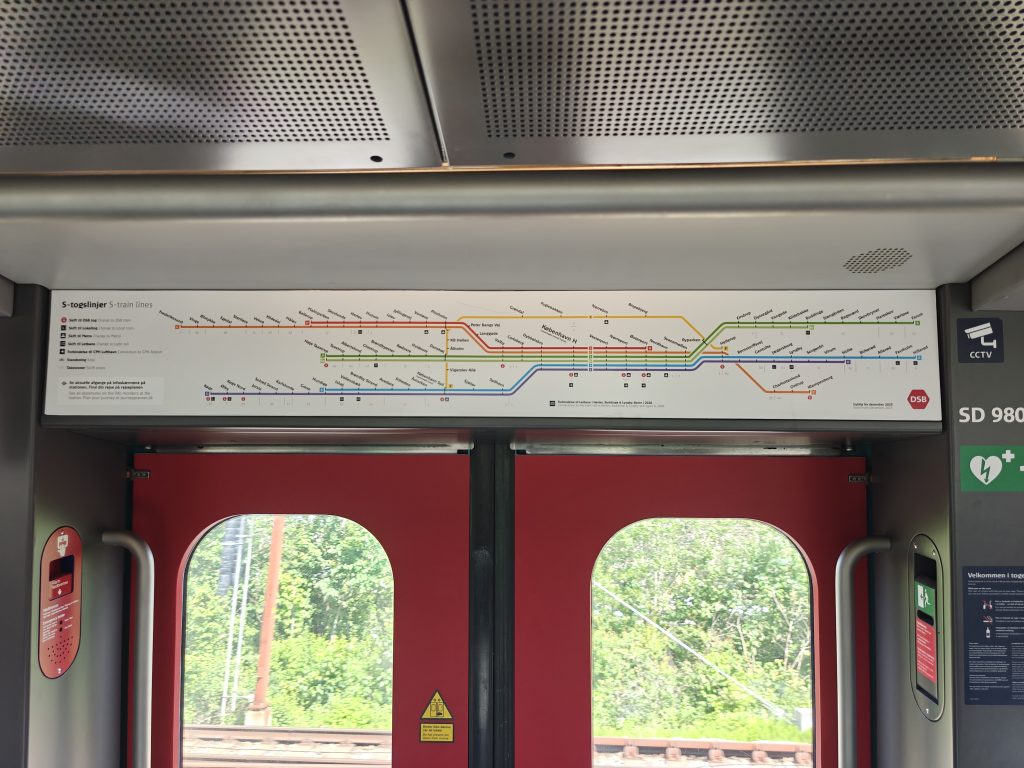
On the subject of transport, the bicycles in Copenhagen are a menace. Moe likened the traffic lights to the start of the Tour de France but in reality many riders didn’t wait at all for a green light!
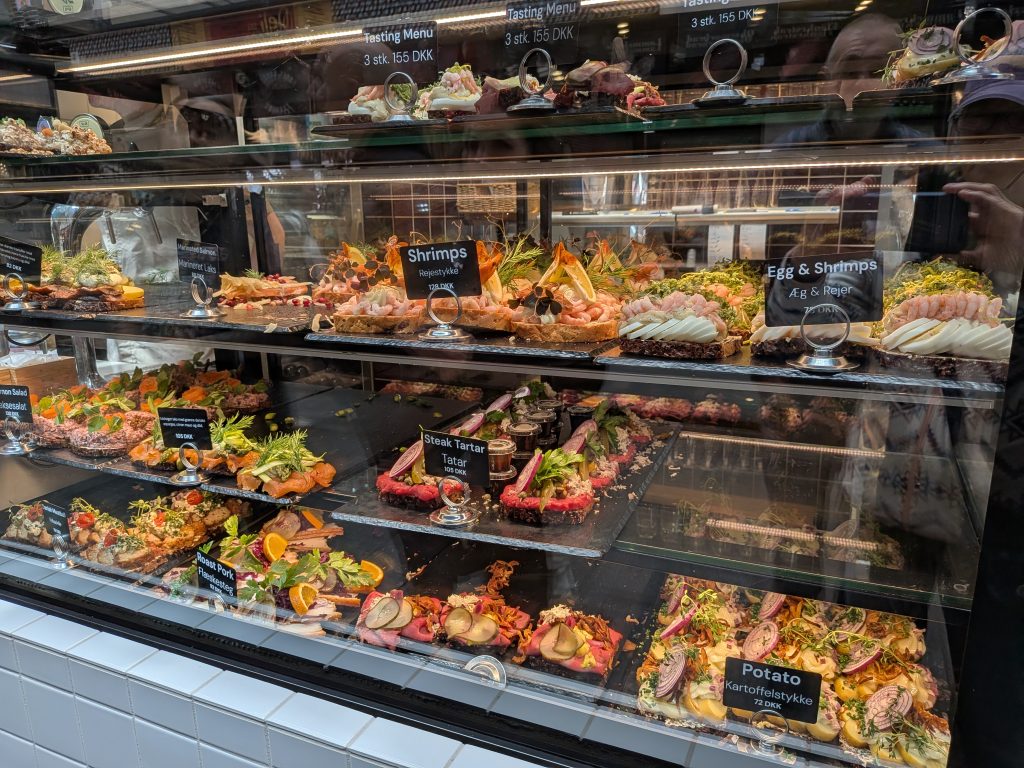
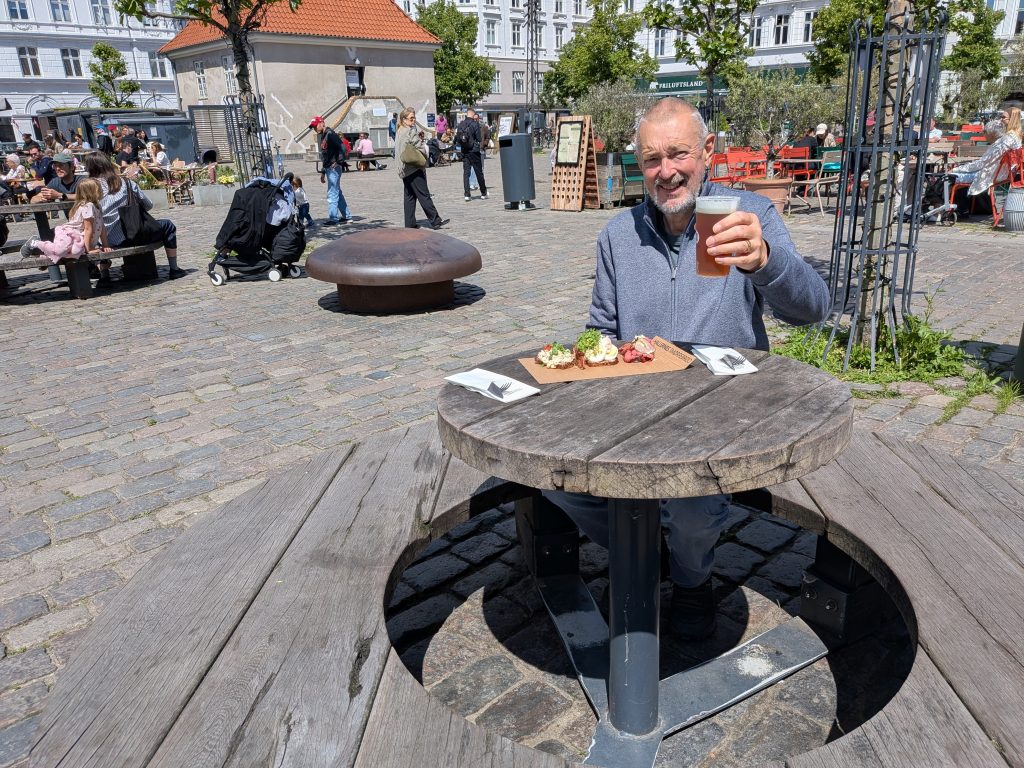
Our first day in Copenhagen was a day of gardens. After walking through Orsetdparken we enjoyed an early lunch of Smorrebrod at the “Torvehallerne” fresh food market before heading to the Botanical gardens.
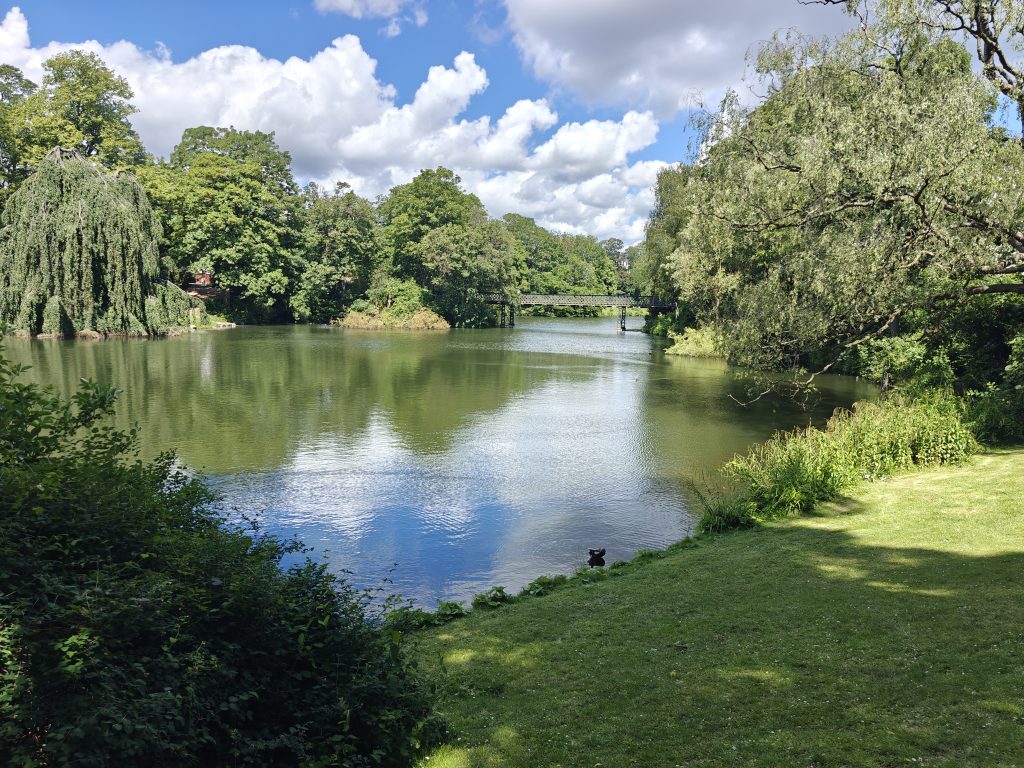
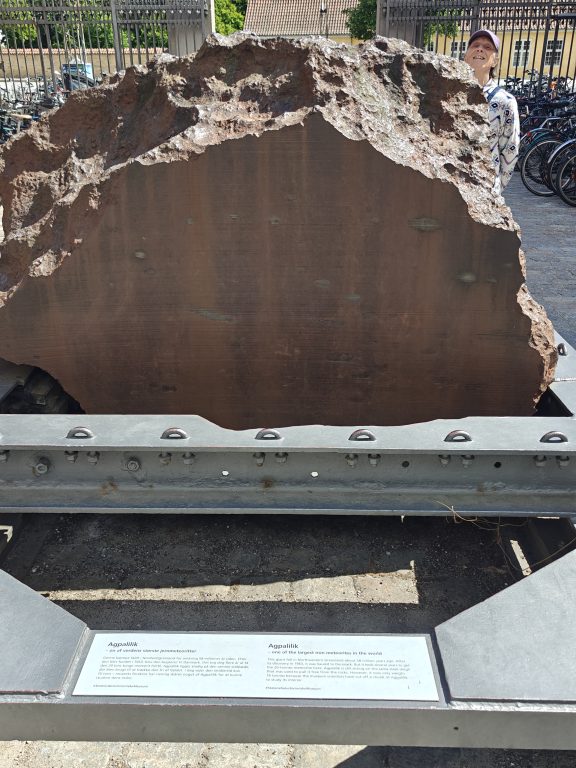
The Botanical gardens are either part of or adjacent to the Denmark National History museum.
In the main square of the museum is this artefact. Agpalilik is one of the largest iron metorites in the world and this giant landed in Northwestern Greenland about 58 million years ago. In 1963, it was hauled to Denmark, a task which took several years to accomplish. Agpalilik is still sitting on the same steel sled that was used to pull it from the rocks.
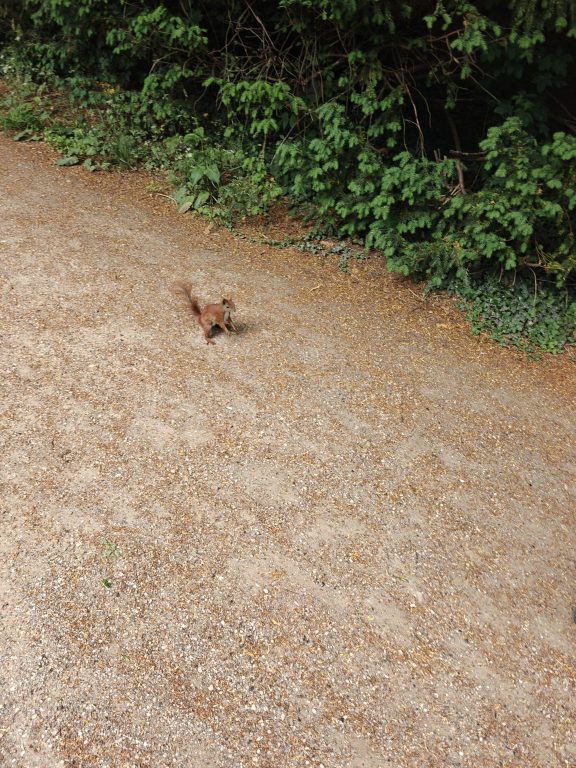
The Botanical gardens were impressive and extensive. The highlight was watching this little fella who appeared out of the bushes right beside us.
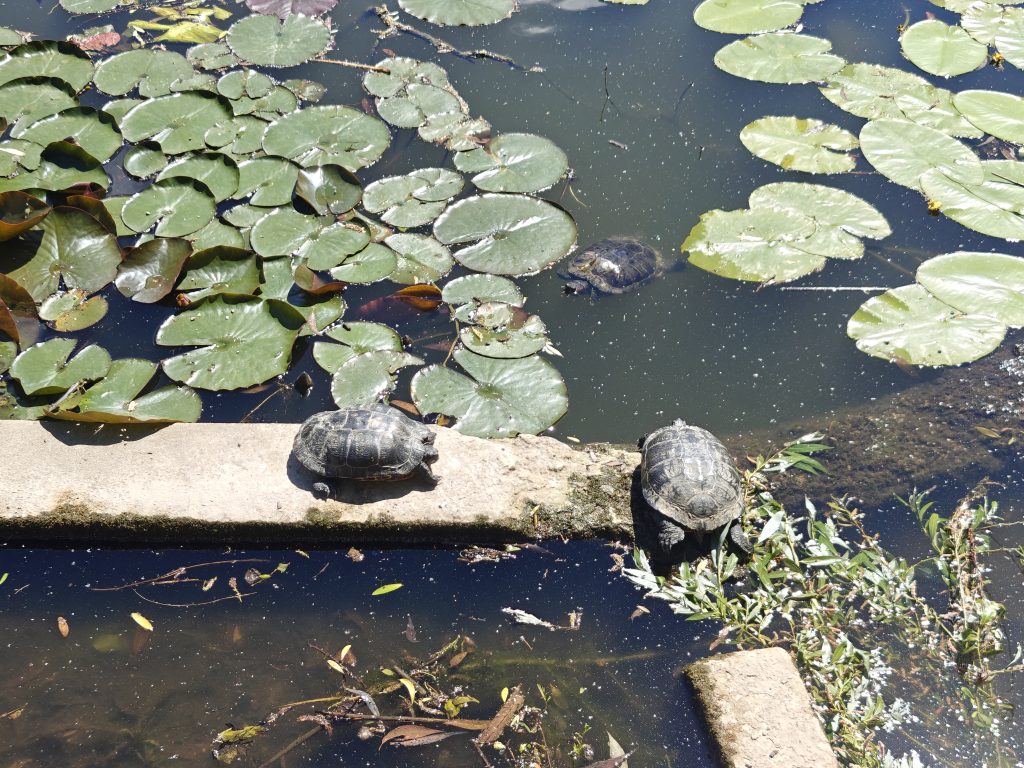
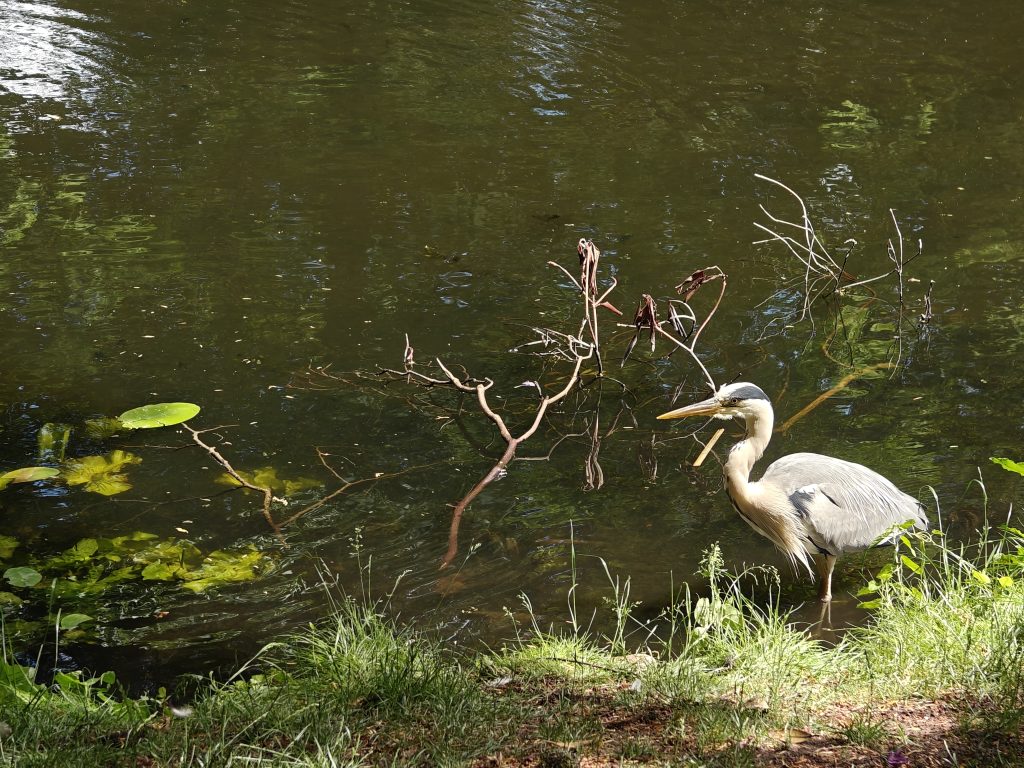
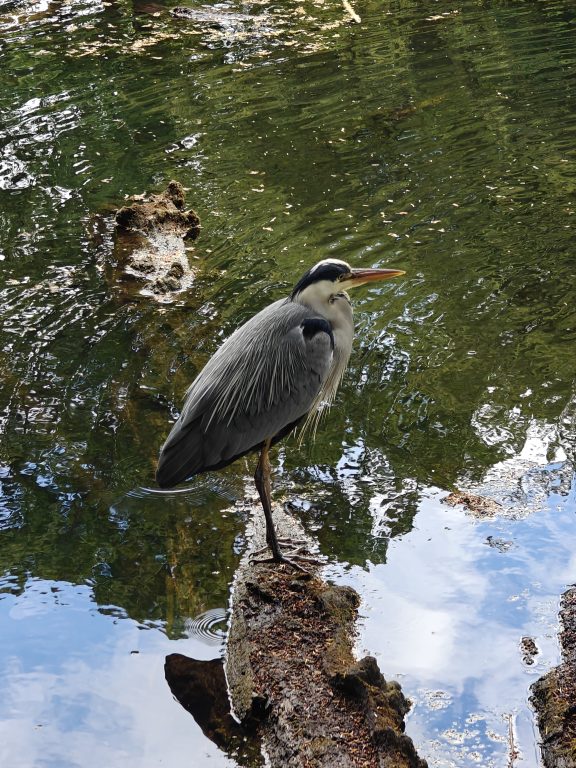
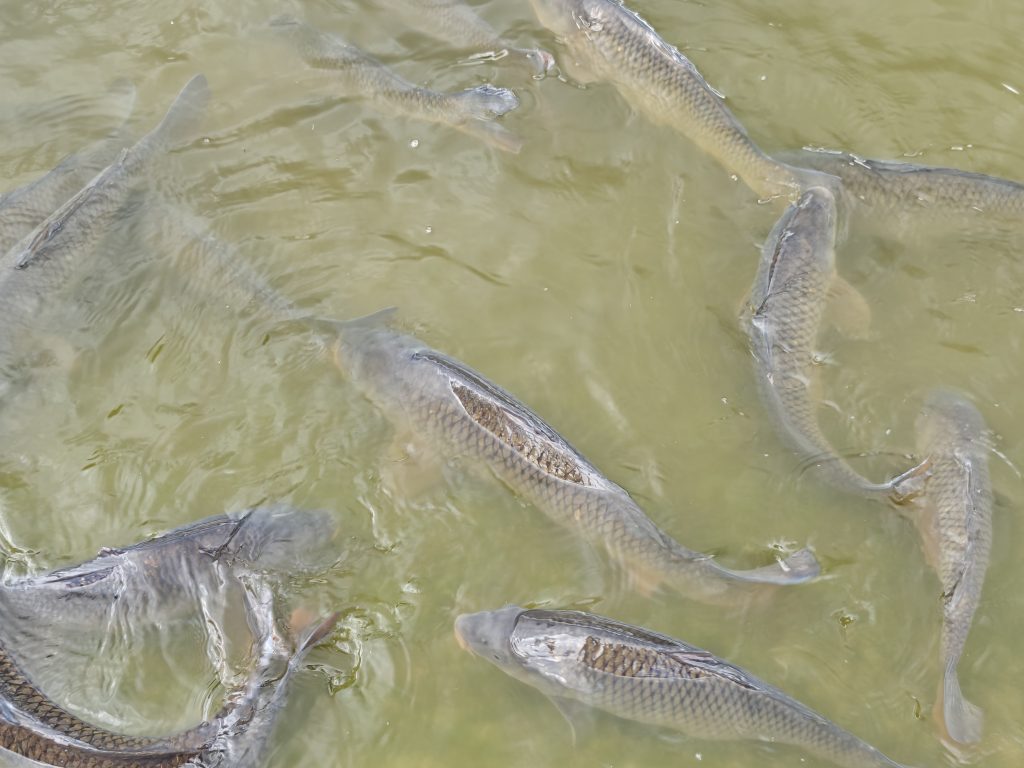
There was plenty of other wildlife to view.
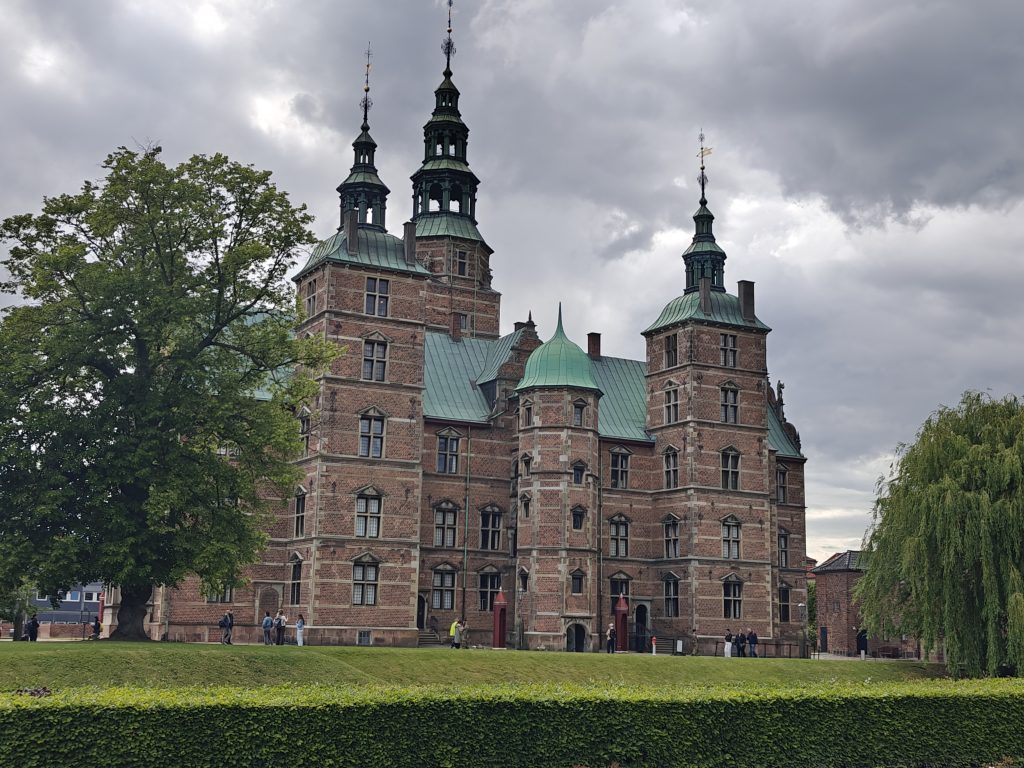
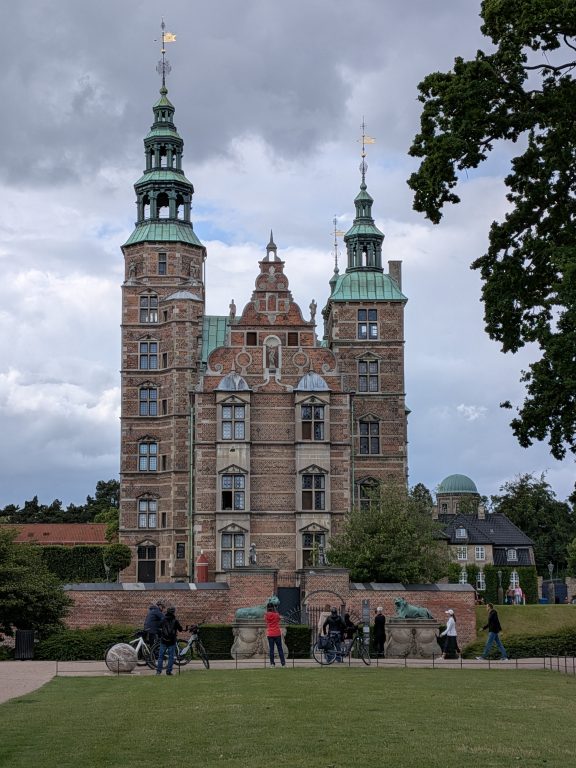
From the Botanical gardens we headed towards Rosenborg Castle, a renaissance castle originally built as a country summerhouse in 1606 and is an example of Christian IV’s many architectural projects.
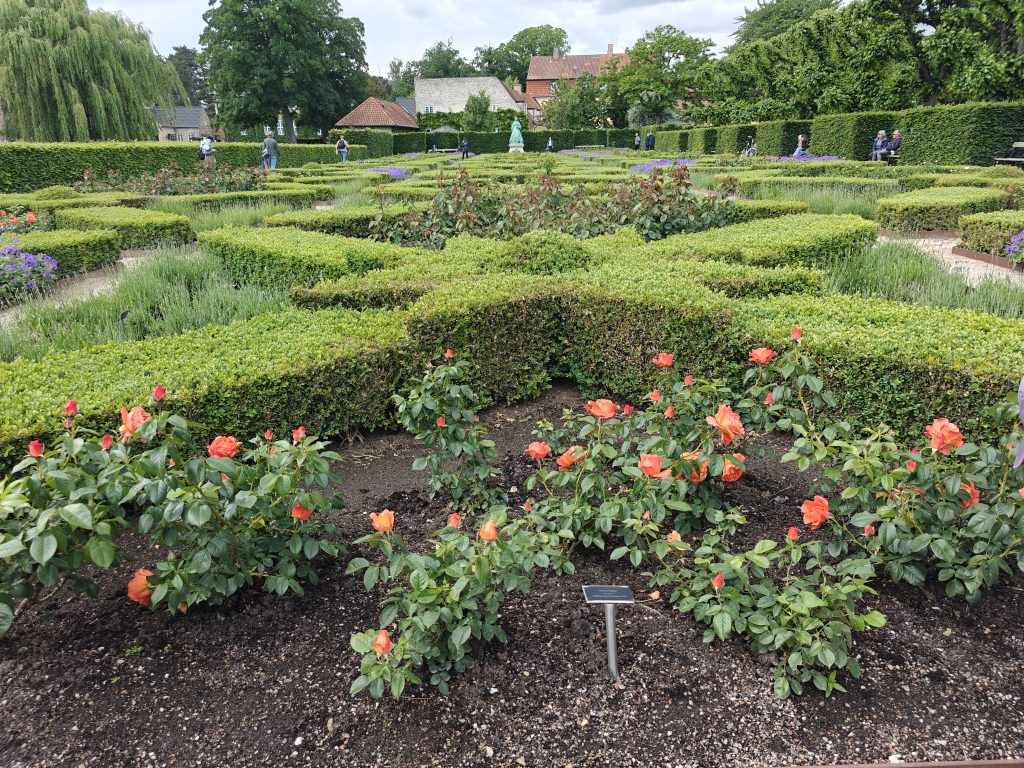
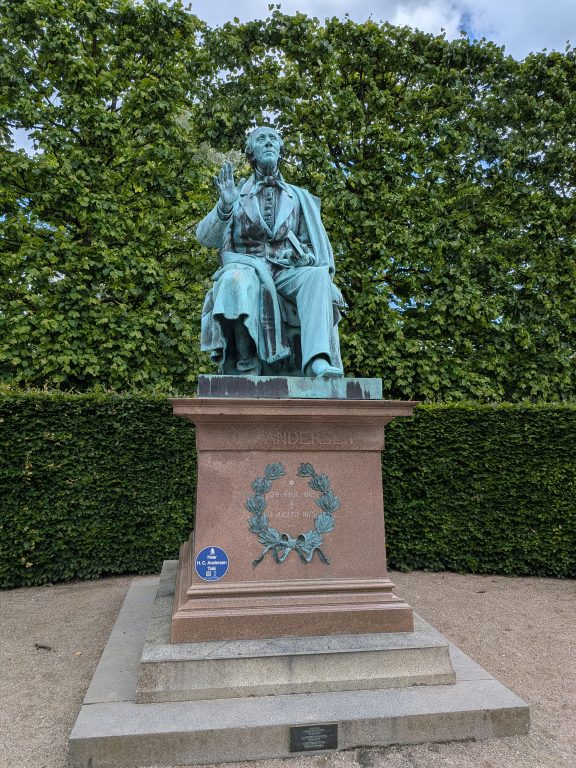
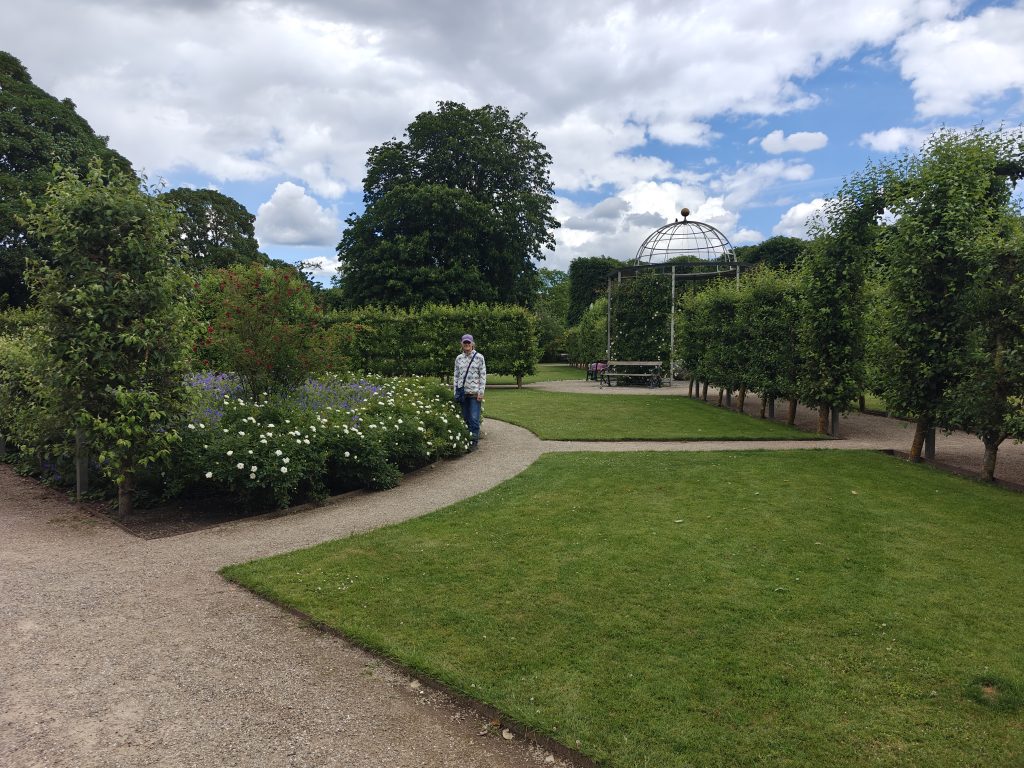
The Kings Gardens, including an impressive Rose Garden are right next to Rosenburg castle.
* * * * *
Day 2
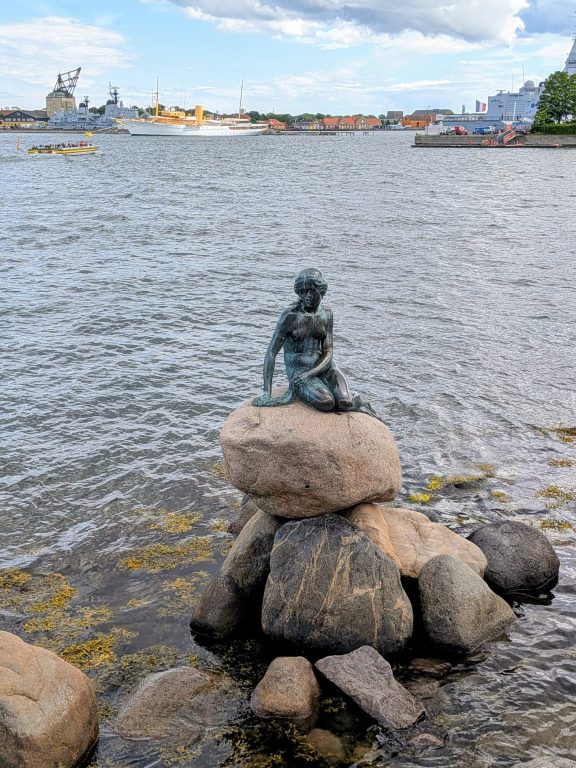
On Day 2, we visited the Little Mermaid statue. This is a bronze statue by Edvard Eriksen depicting a mermaid becoming human. The sculpture is displayed on a rock by the waterside at Langeline promenade and weighs 175kg.
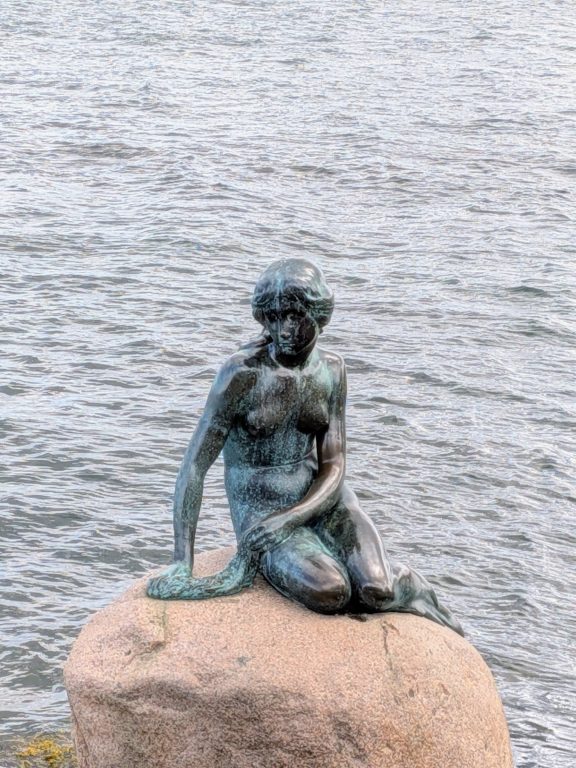
Based on the 1837 fairy tale of the same name by Danish author Hans Christian Andersen, the small and unimposing statue is a Copenhagen icon and has been a major tourist attraction since its unveiling in 1913. In recent decades it has become a popular target for defacement by vandals and political activists.
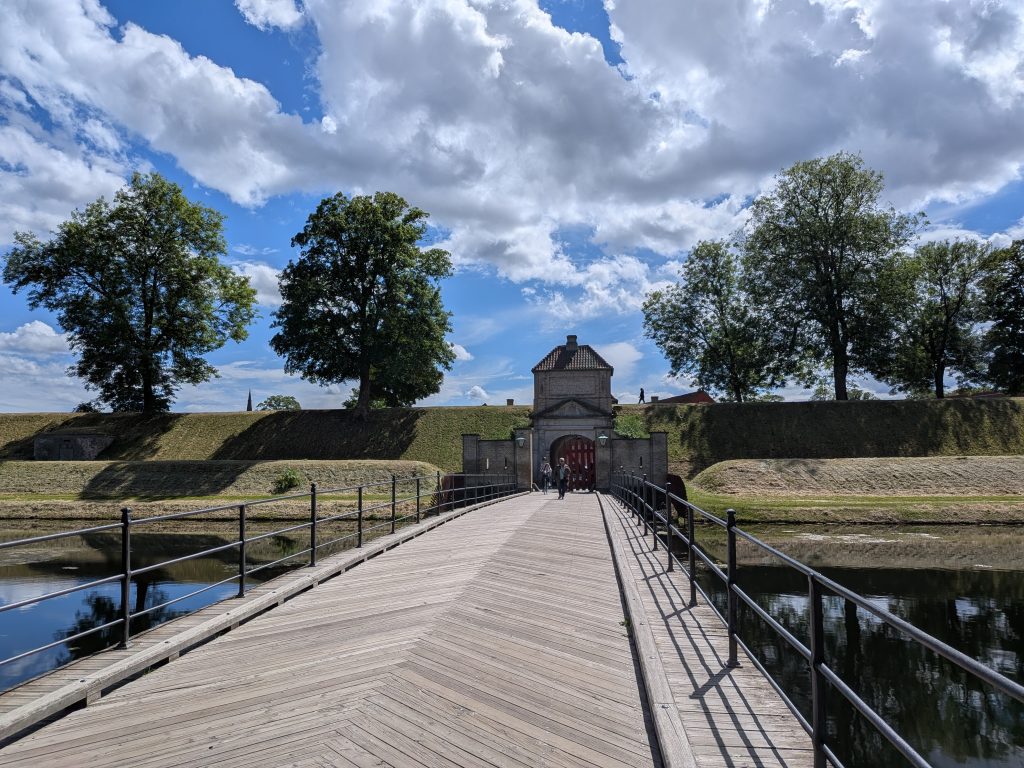
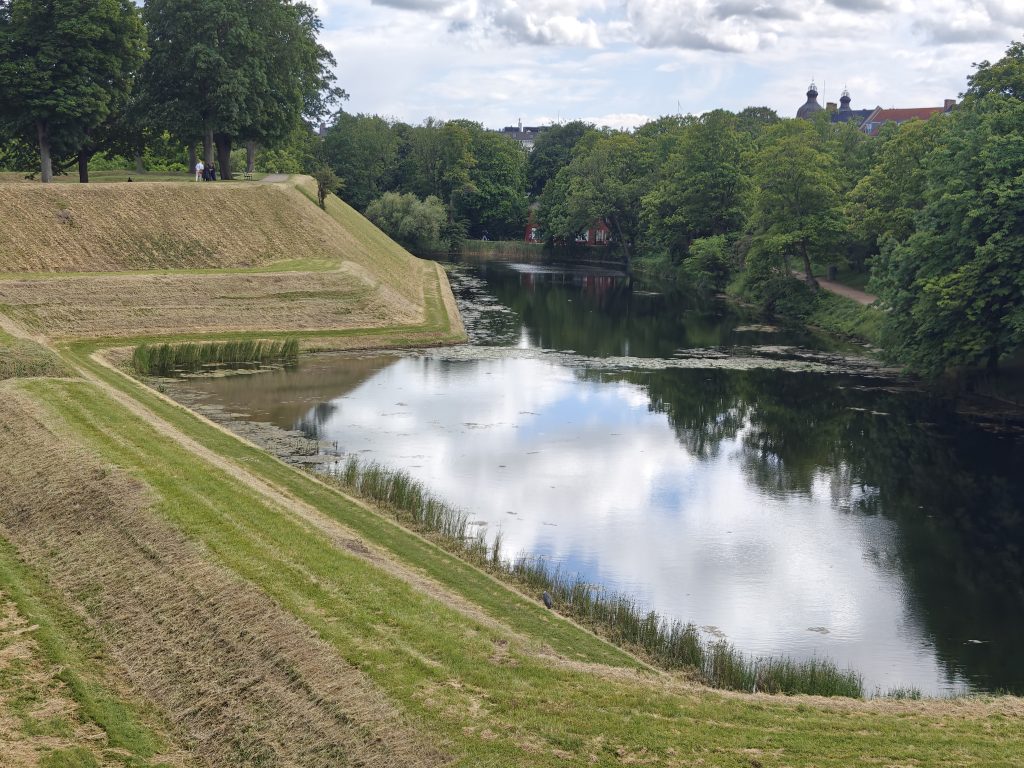
Prior to visiting the Little Mermaid, we walked around the star-shaped 17th-century fortress (the “Kastellet”) which has ramparts, a museum and regular host to events and concerts.
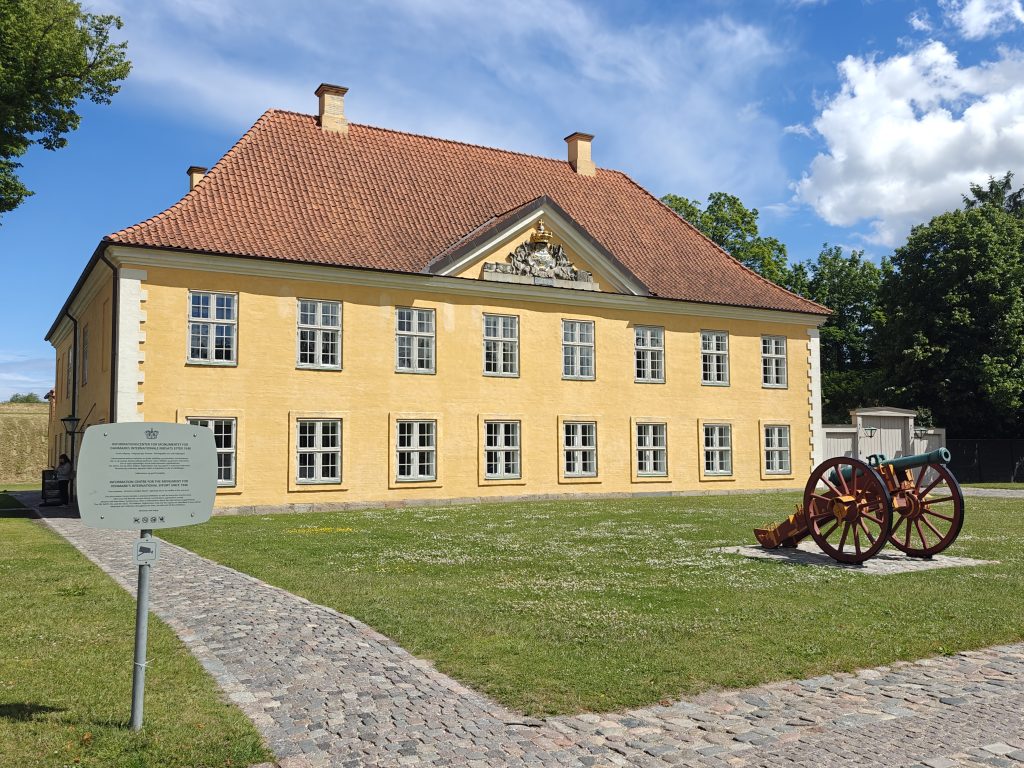
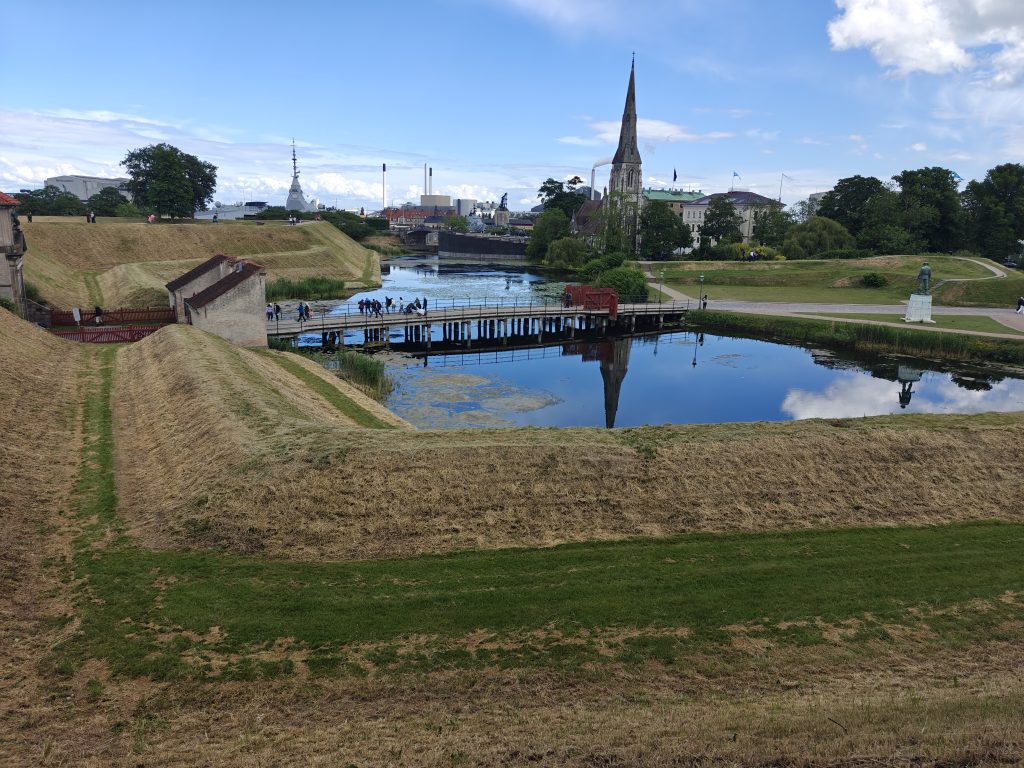
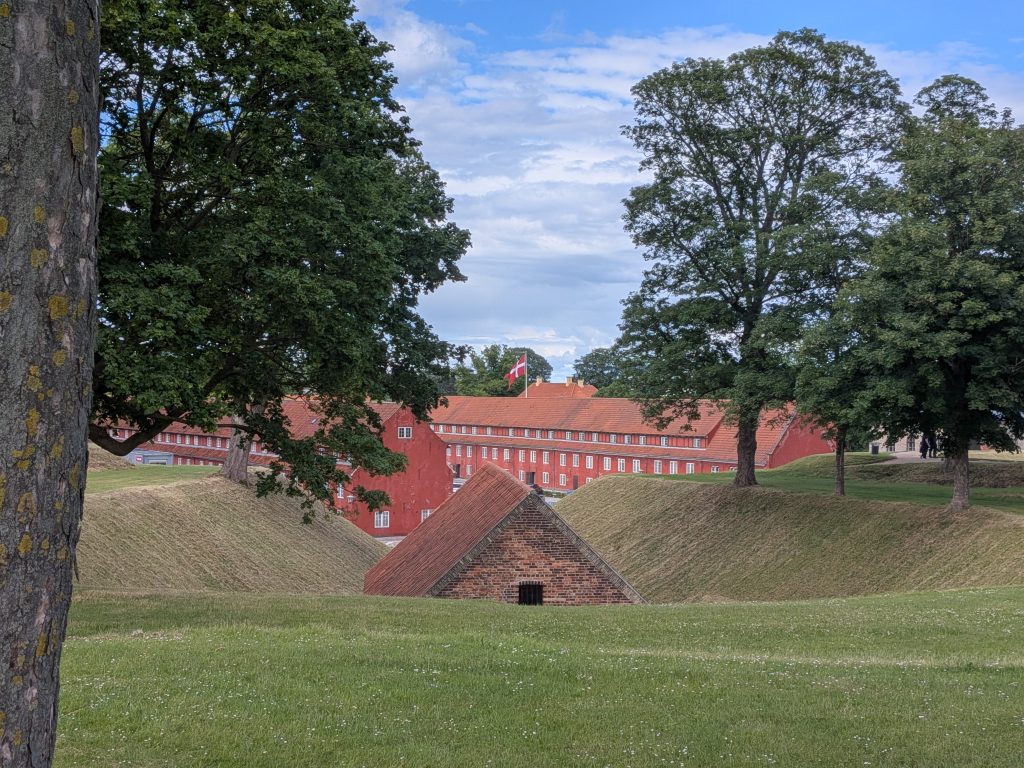
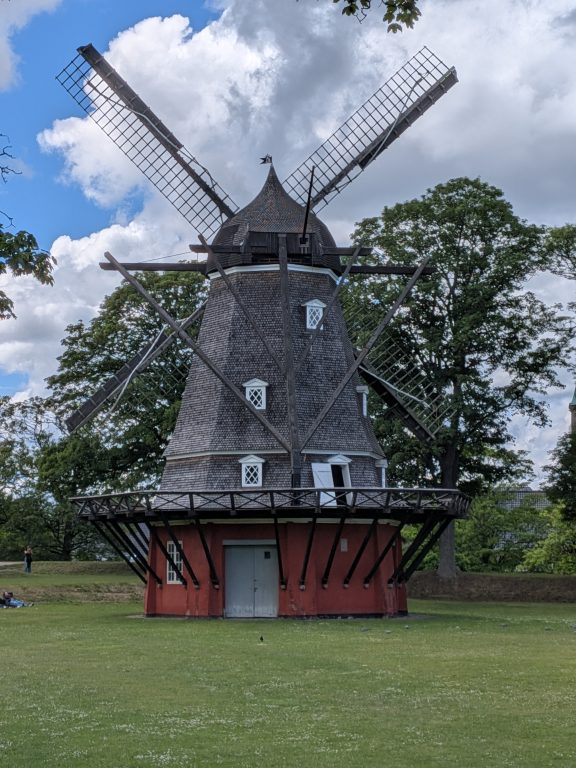
A late afternoon coffee by the water was followed by a visit to Freetown Christiana.
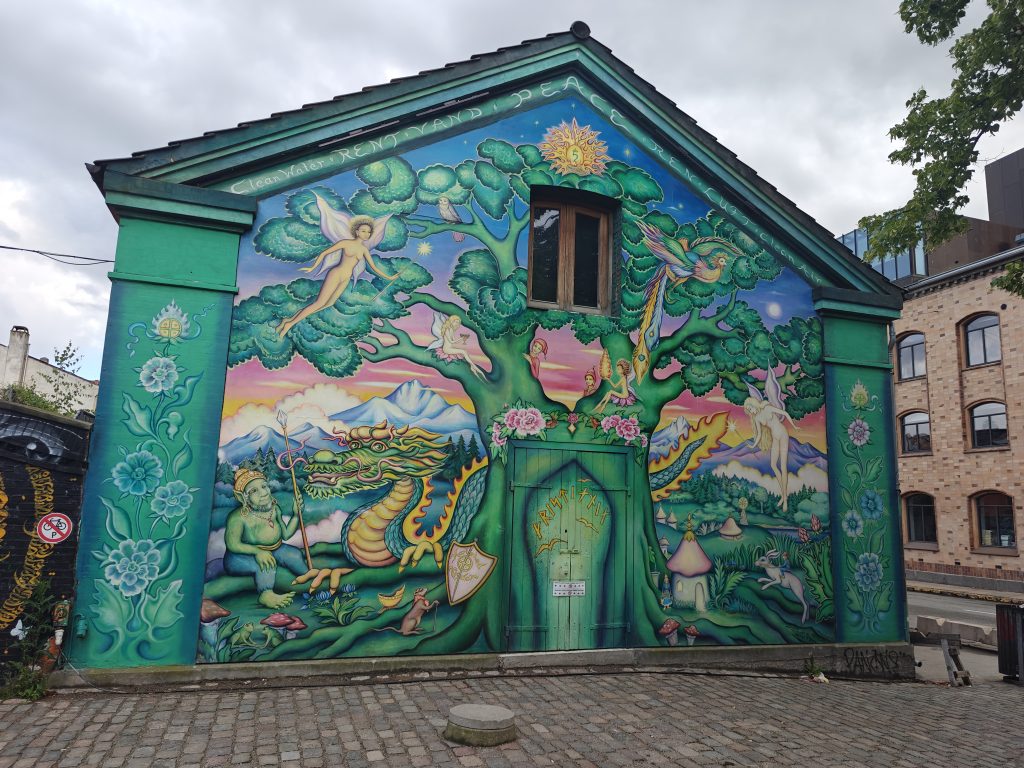
Christiana is considered to be the fourth largest tourist attraction in Copenhagen, with half a million visitors annually.
On our way to Christiana, we passed by the vibrant Nordhavn area.
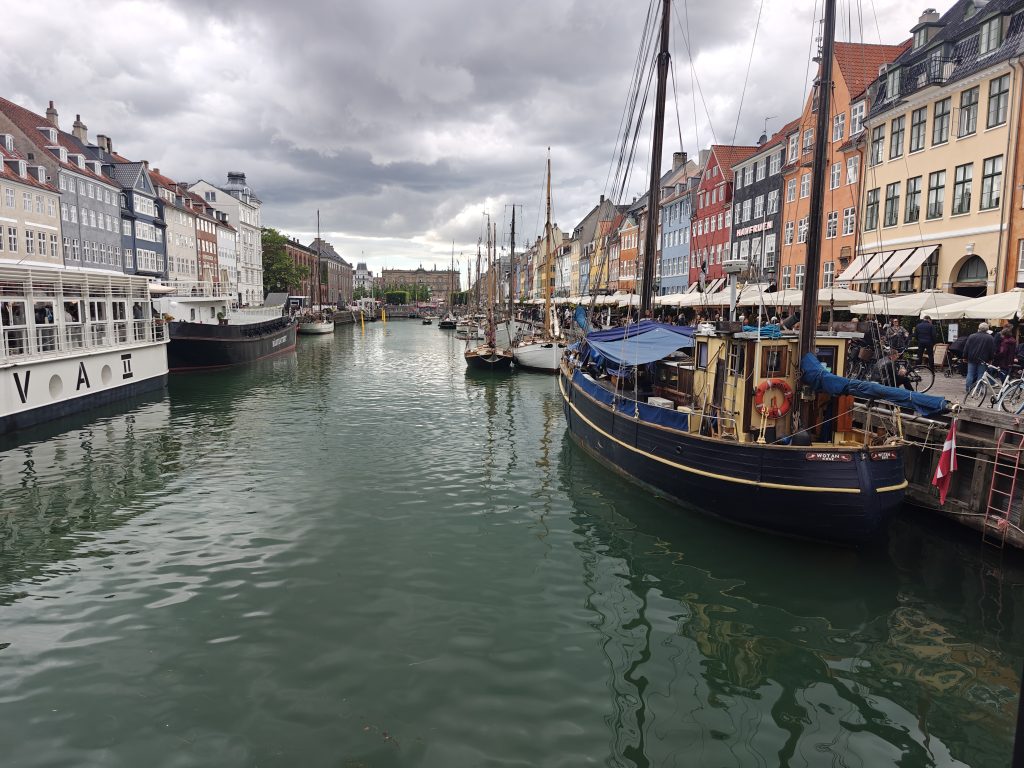
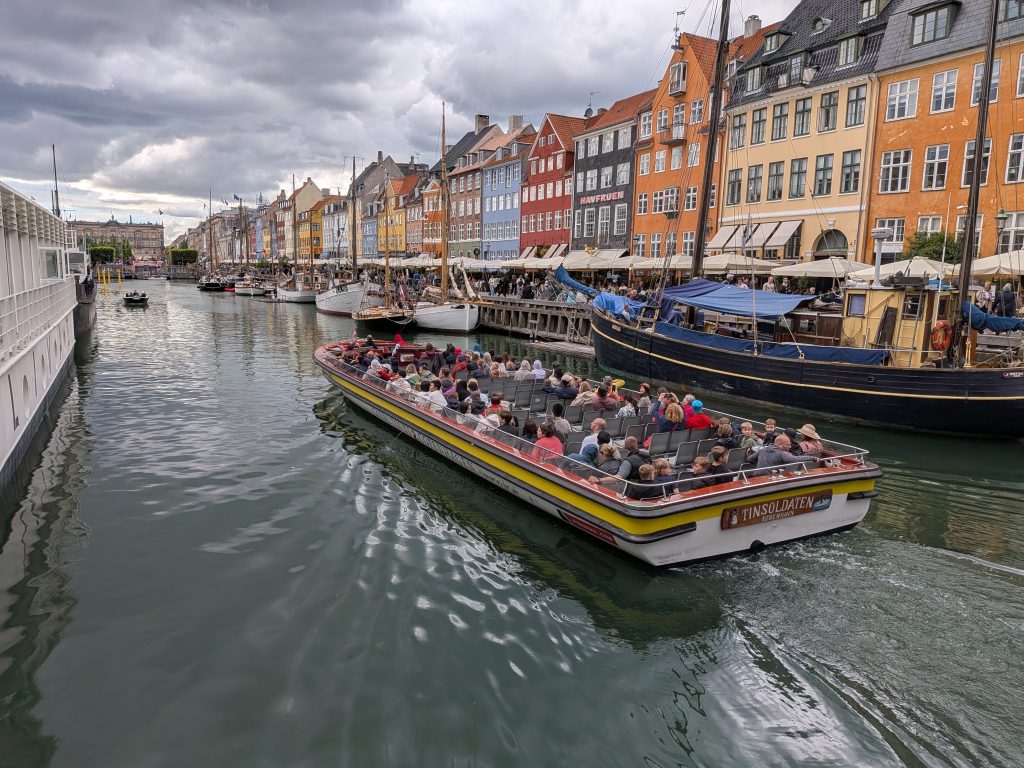
Freetown Christiania also known as Christiania or simply Staden, is an intentional community, anarchist commune, micronation and former army barracks in the Christianshavn neighbourhood. It began in 1971 as a squatted military base. Its main selling street, Pusher Street, was famous for its open illegal trade of cannabis until 2024, when a large portion of the trade was shut down in a collaborative effort between Danish police and the majority of the inhabitants, with the street being physically dug up.
Dinner was at Spiseloppen in Christiana – a recommendation from Bob and Mandy. Don’t be put off by the entrance, steel staircase and graffiti-clad walls. The restaurant is nice and the food very good.


* * * * *
Day 3
Camping Tangloppen was a great place to stay with a frequent bus service to Ishoj station. Today however, we caught the 128 bus to Ishoj and then climbed on board the 600S to Roskilde.
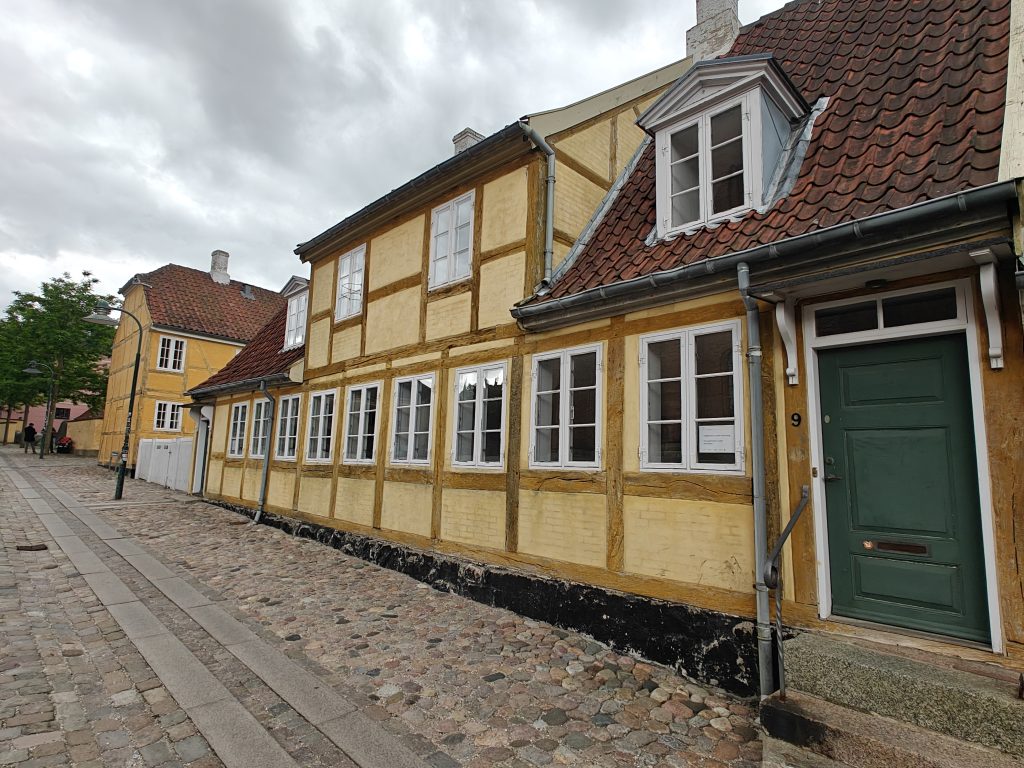
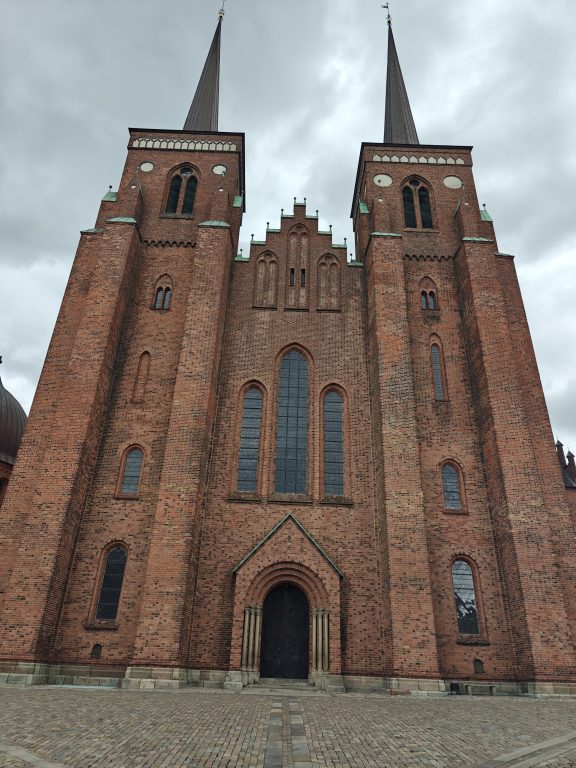
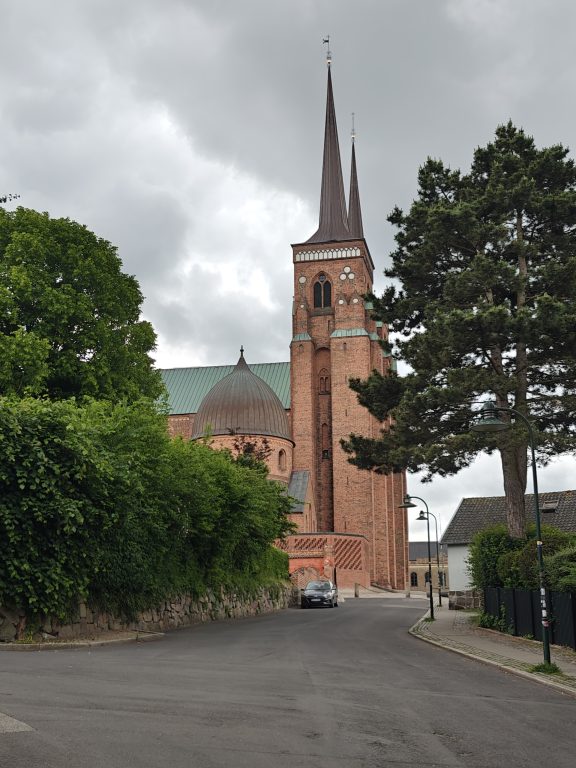
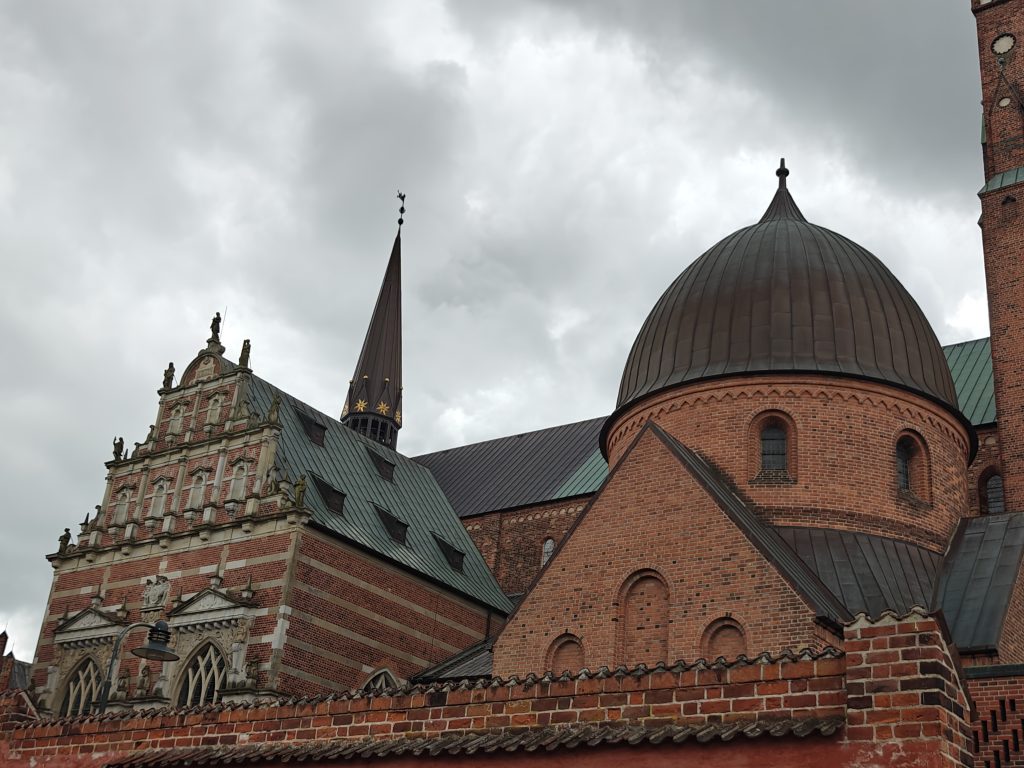
Roskilde is a pretty Danish town with a harbour and in the centre, the Gothic, twin-spired Roskilde Cathedral which holds the tombs of many Danish kings and queens.
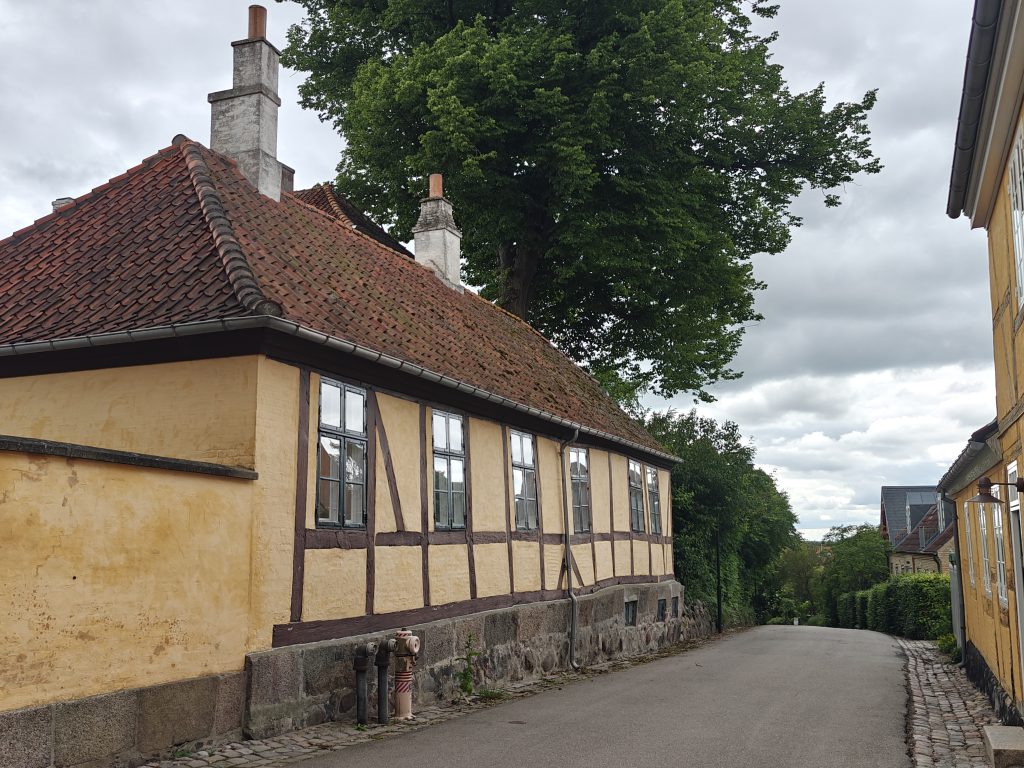
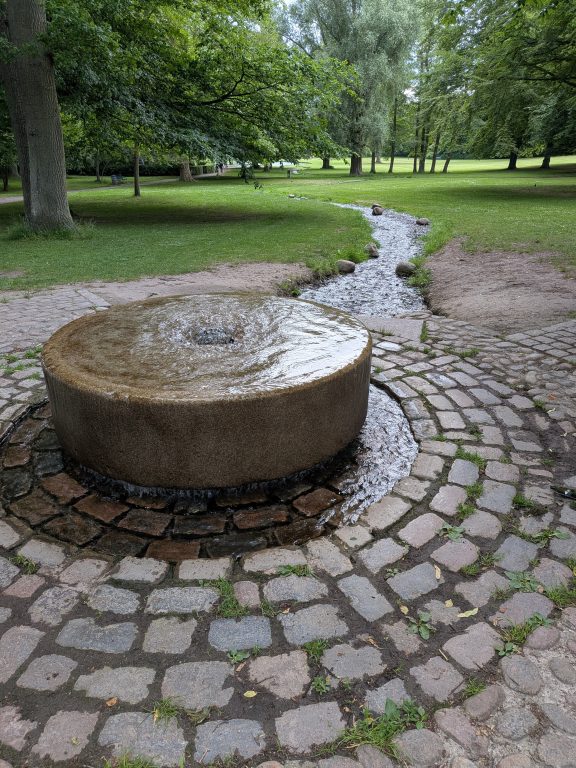
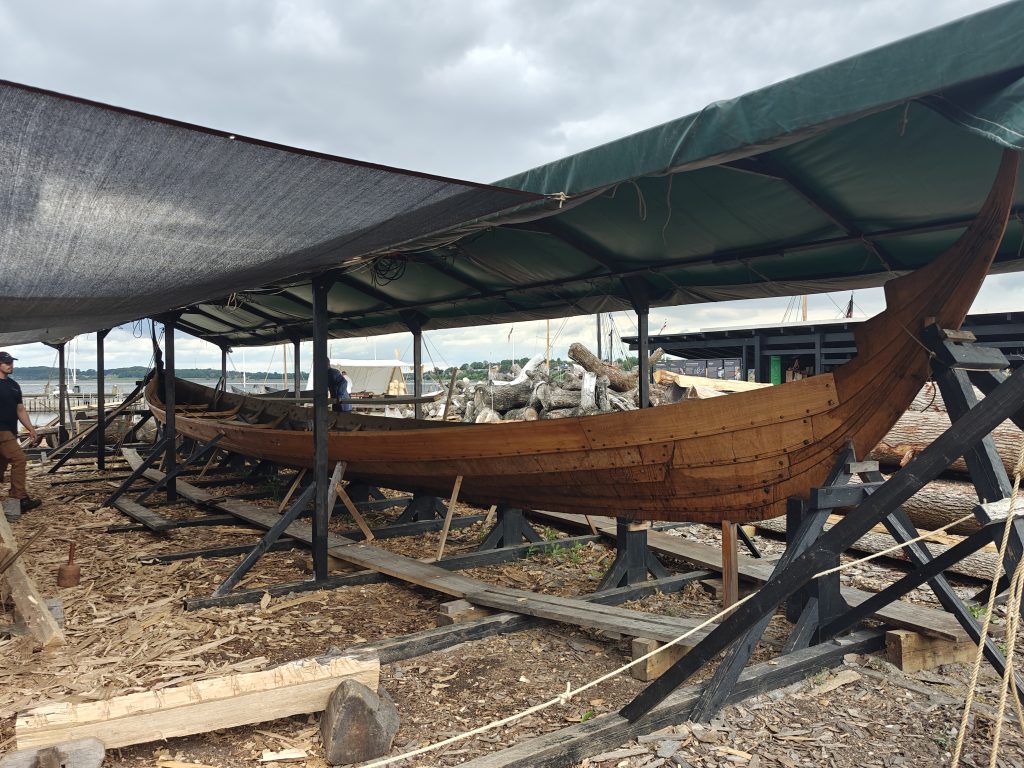
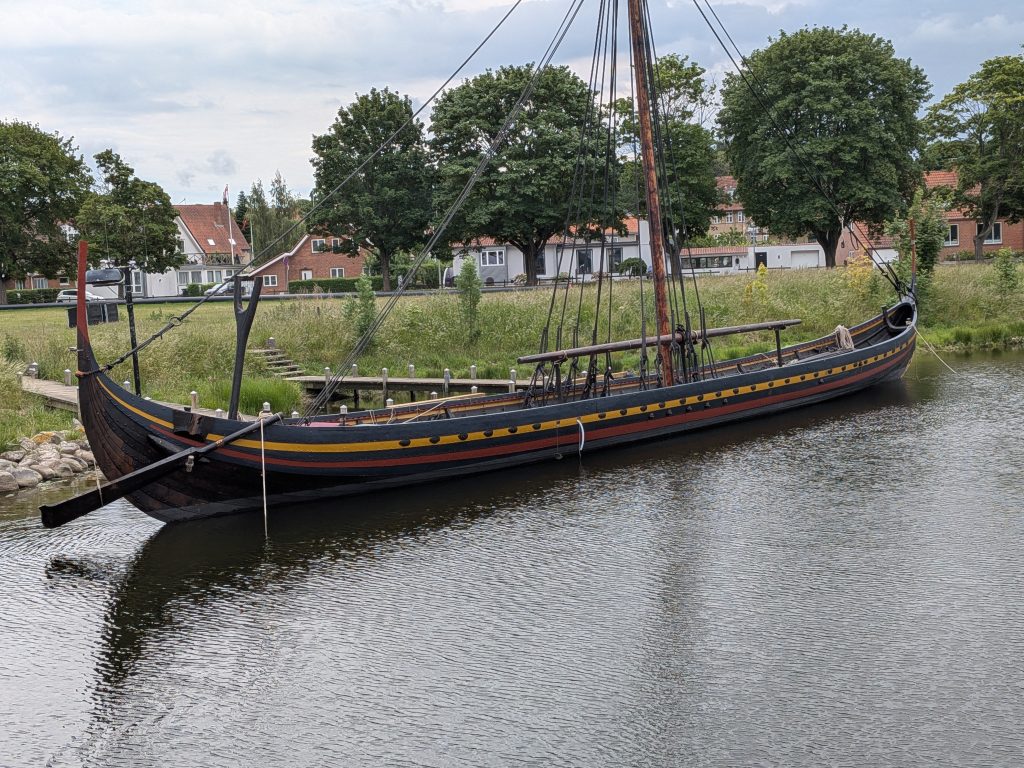
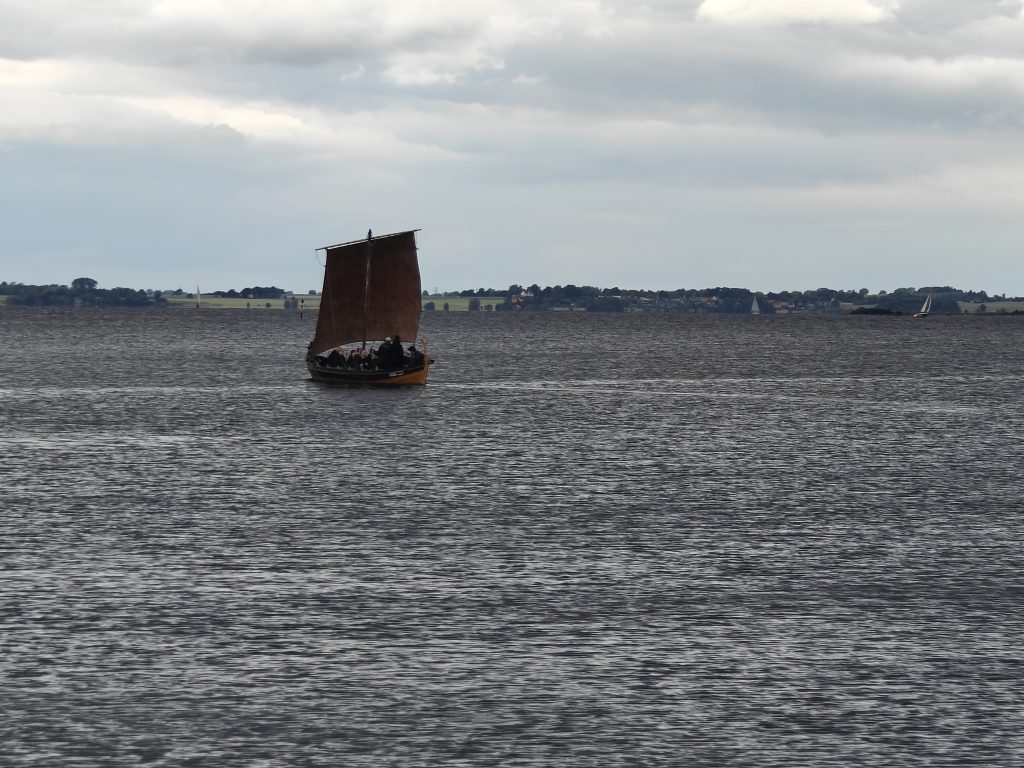
At Roskilde harbour, is the Viking Ship museum, the primary reason for our trip here today. We would spend a few hours at the museum, taking in a fantastic guided tour in English. As well as the excavated ships, the boatyard has on-going construction of new Viking longboats utilising original construction methods.
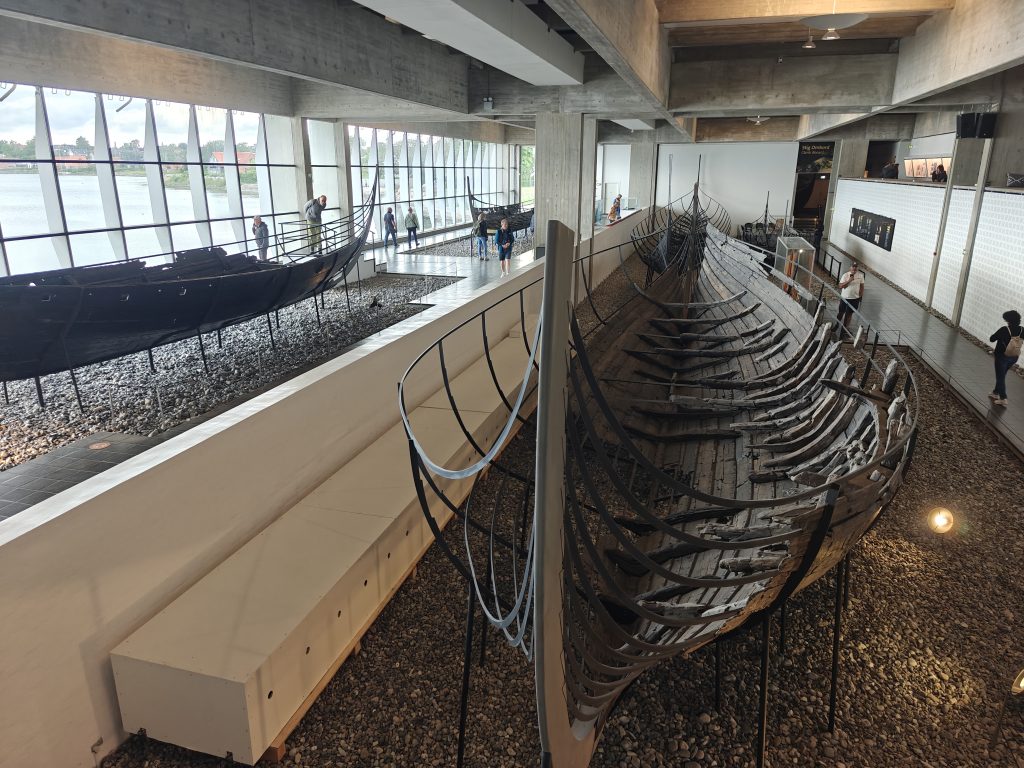
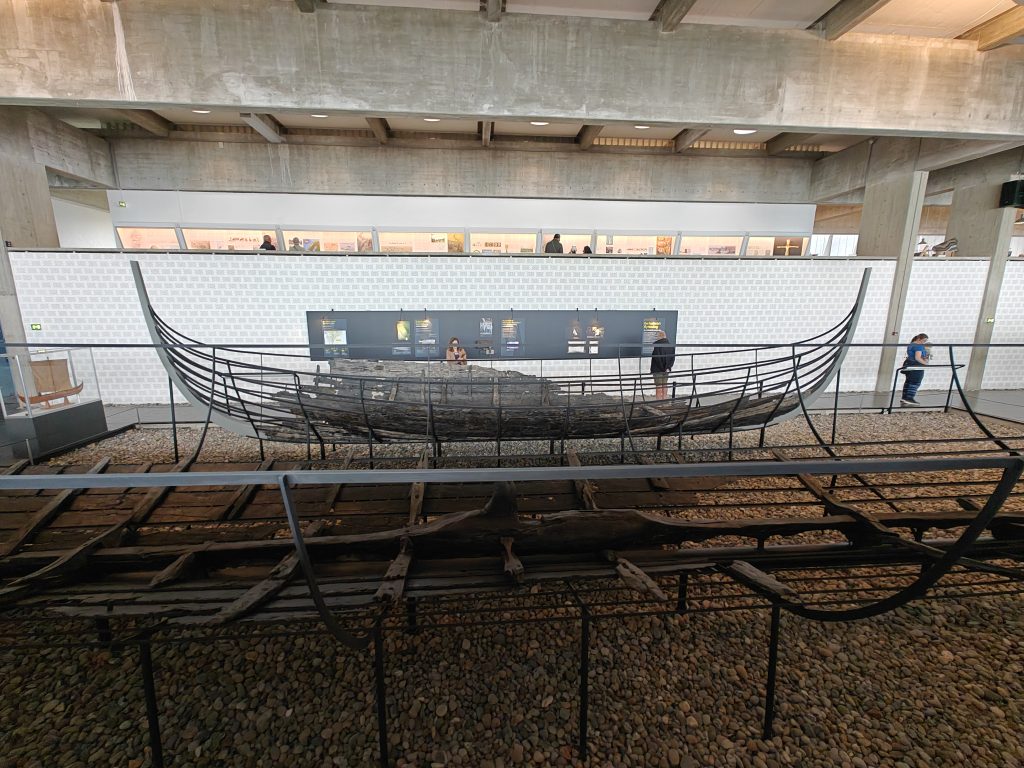
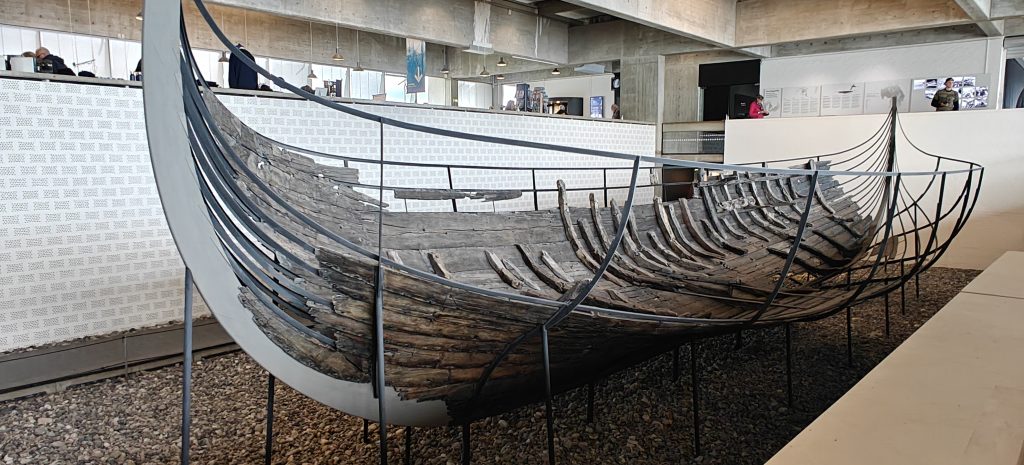
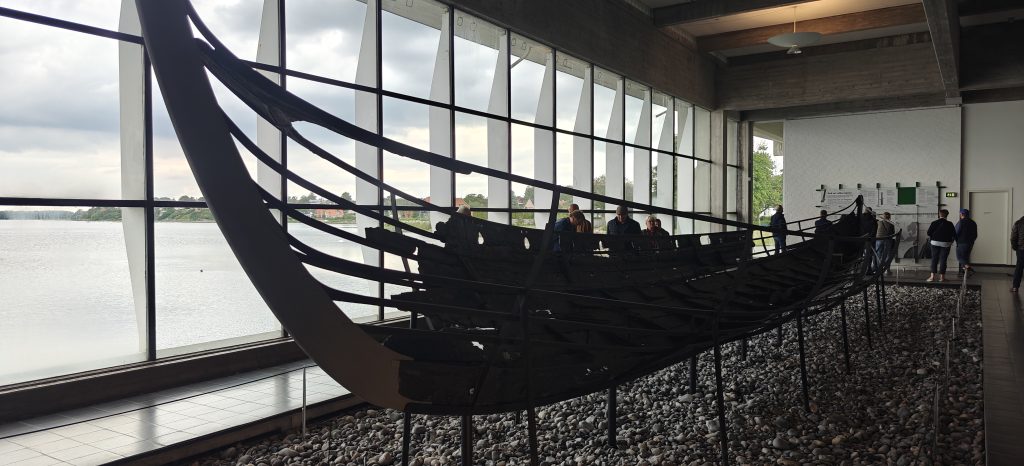
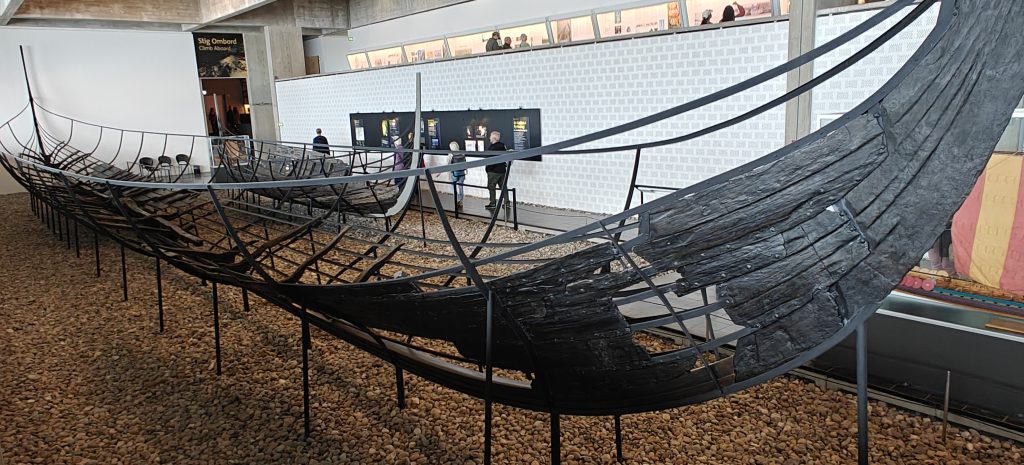
The main focus of the museum is a permanent exhibition of the Skuldelev ships, five original Viking ships excavated nearby in 1962. Around the year 1070, five Viking ships were deliberately sunk at Skuldelev in Roskilde Fjord in order to block the most important channel and to protect Roskilde from an enemy attack from the sea.
These ships, later known as the Skuldelev ships, were excavated in 1962. They turned out to be five different types of ships ranging from cargo ships to ships of war.
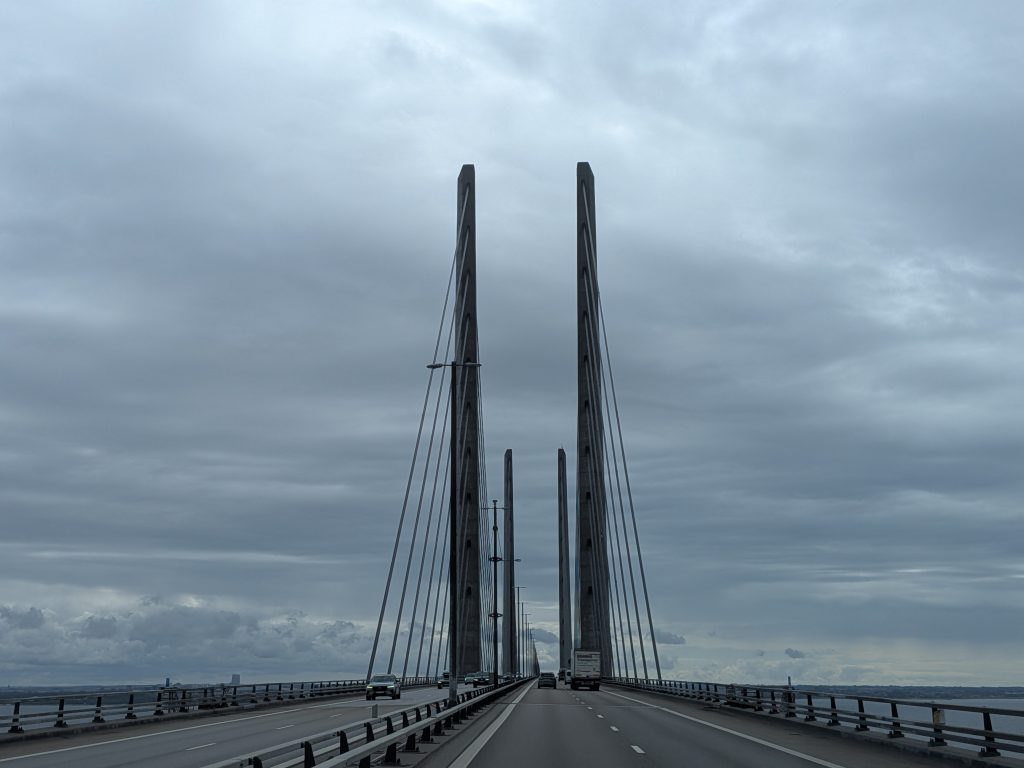
After 3 days in Copenhagen, it was time to cross the impressive Oresund bridge at the not-so-cheap price of around £60.