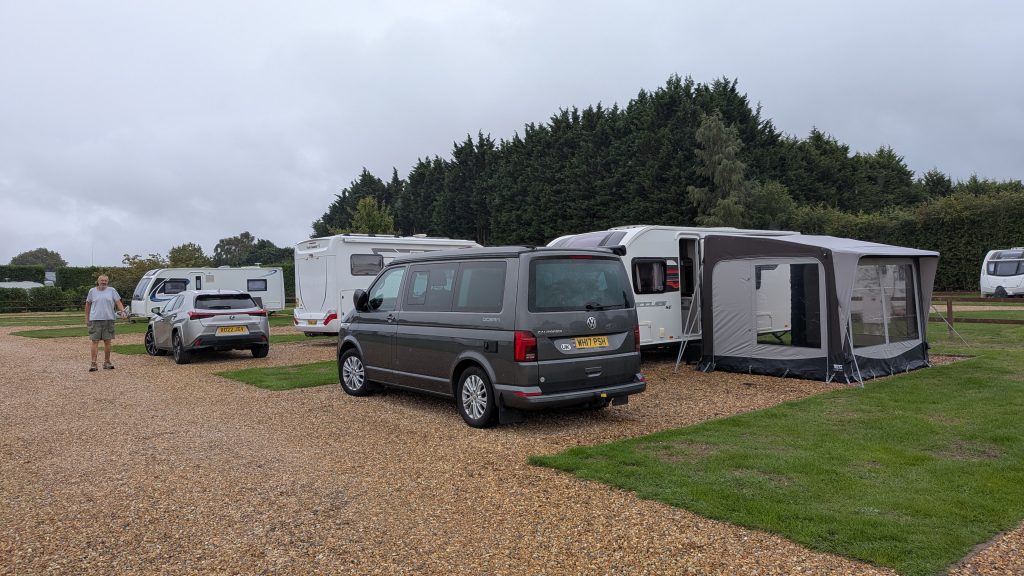
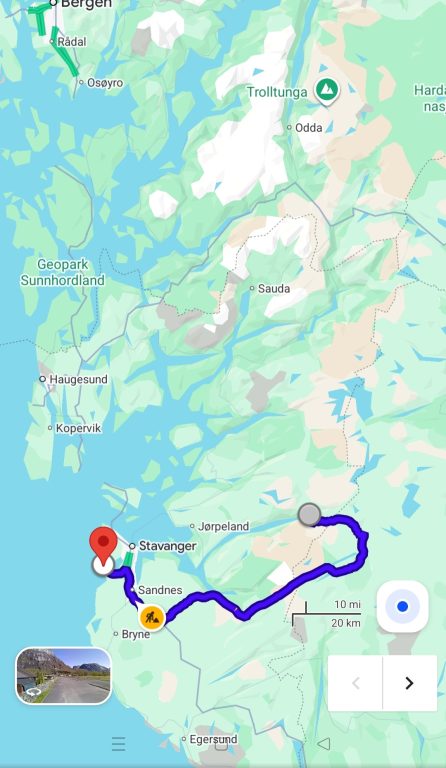
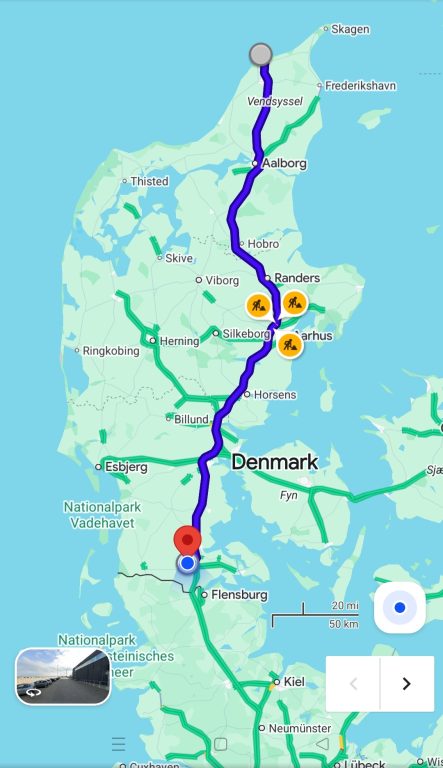
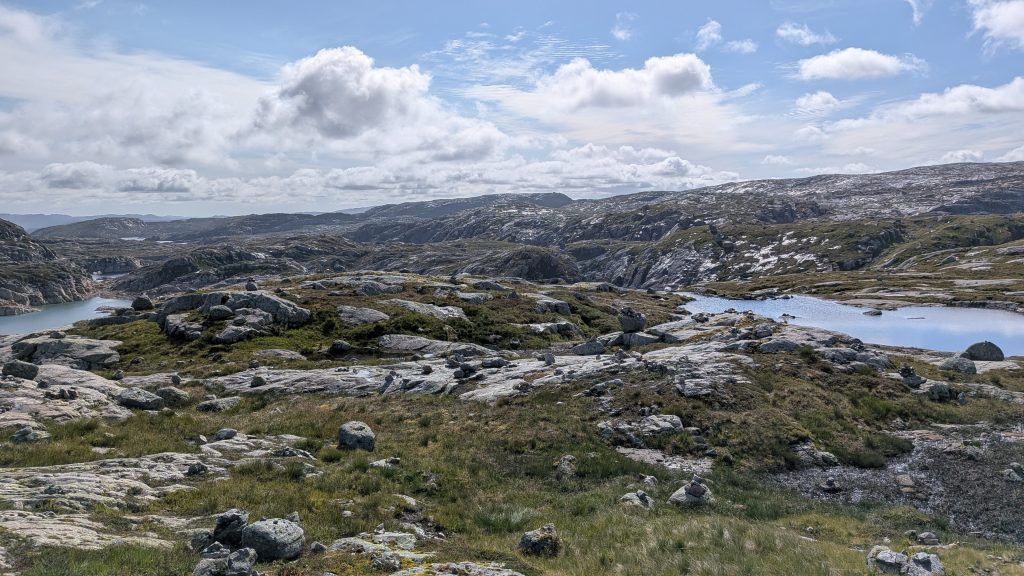
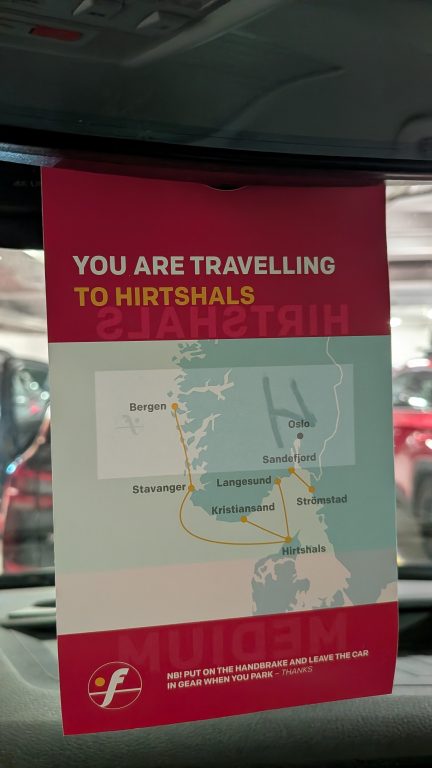
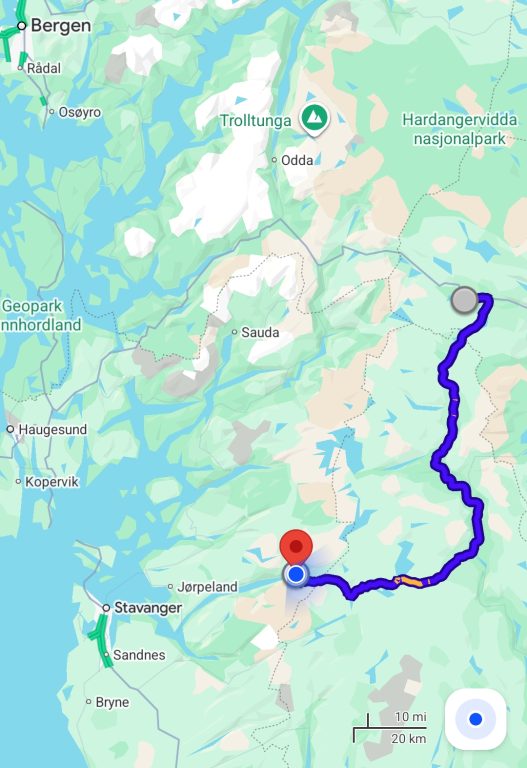
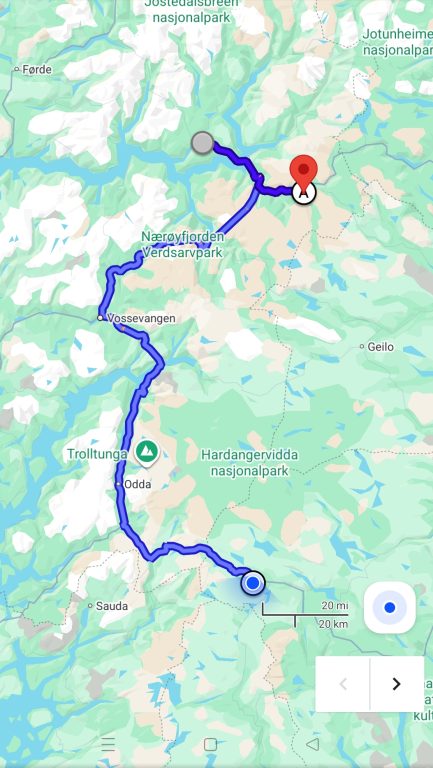
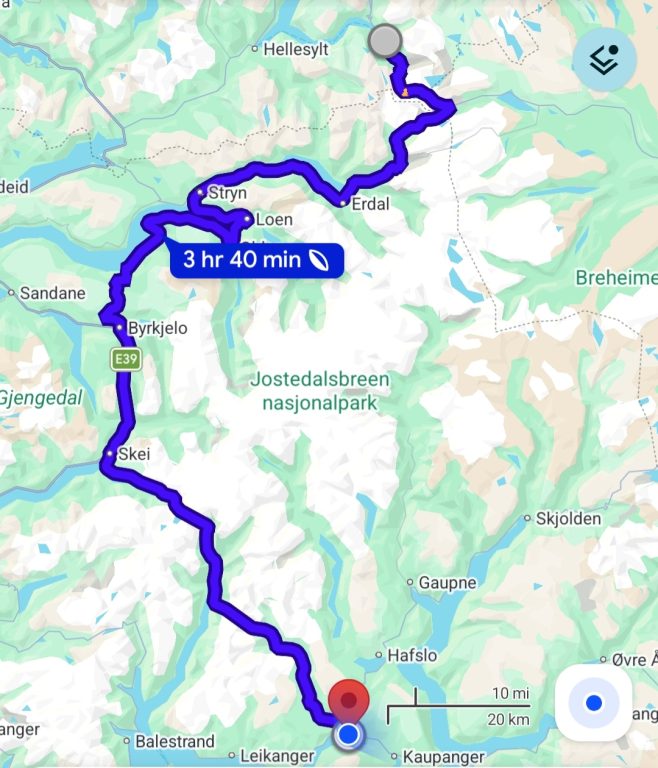
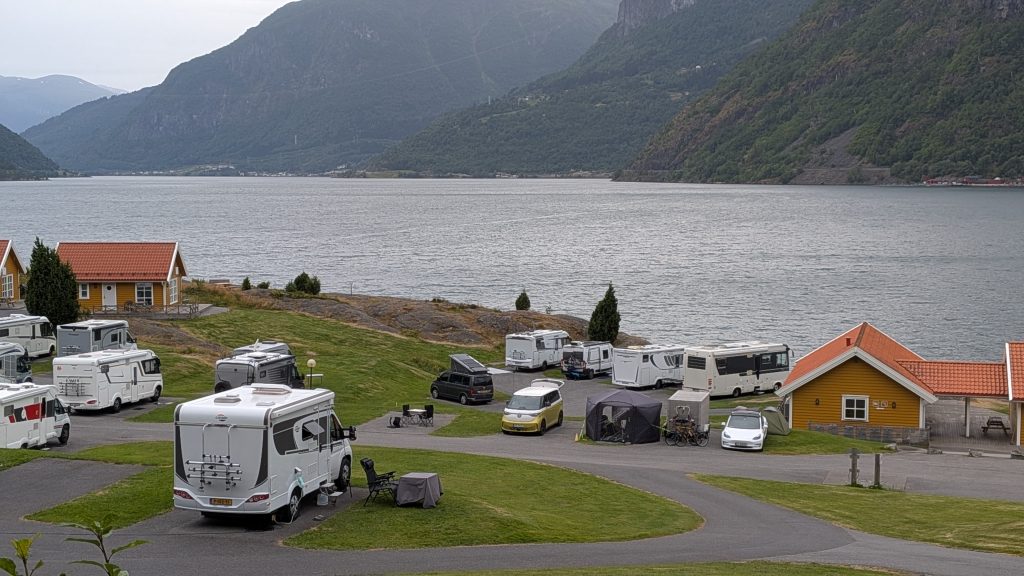
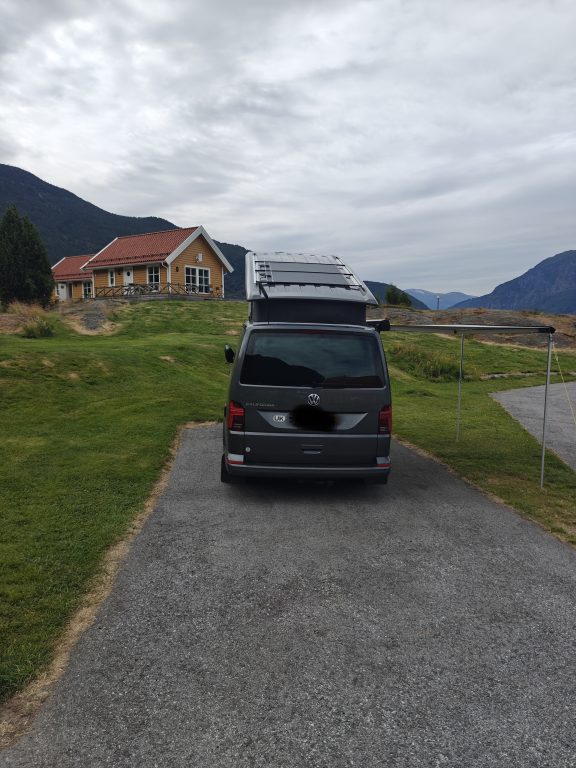
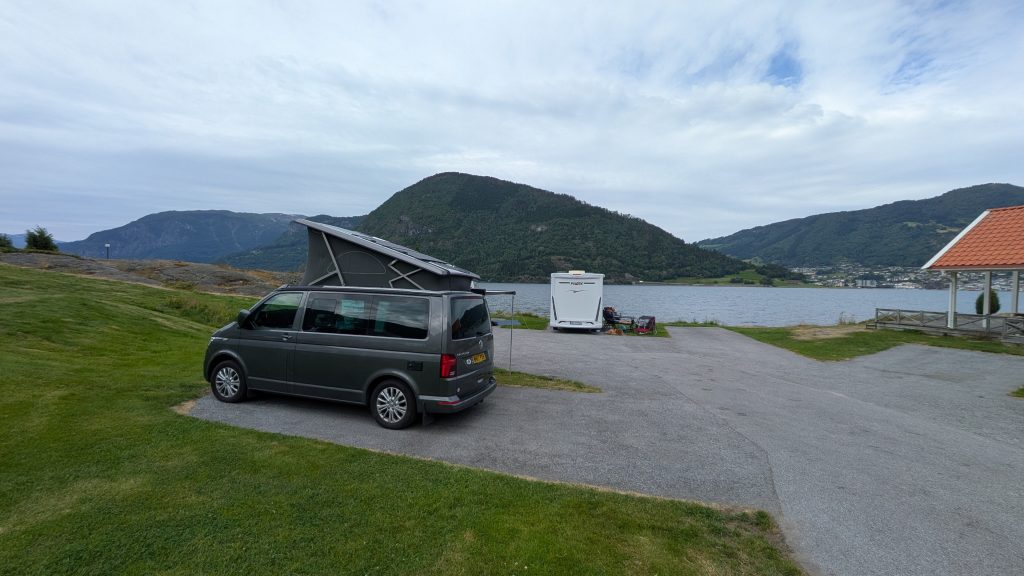
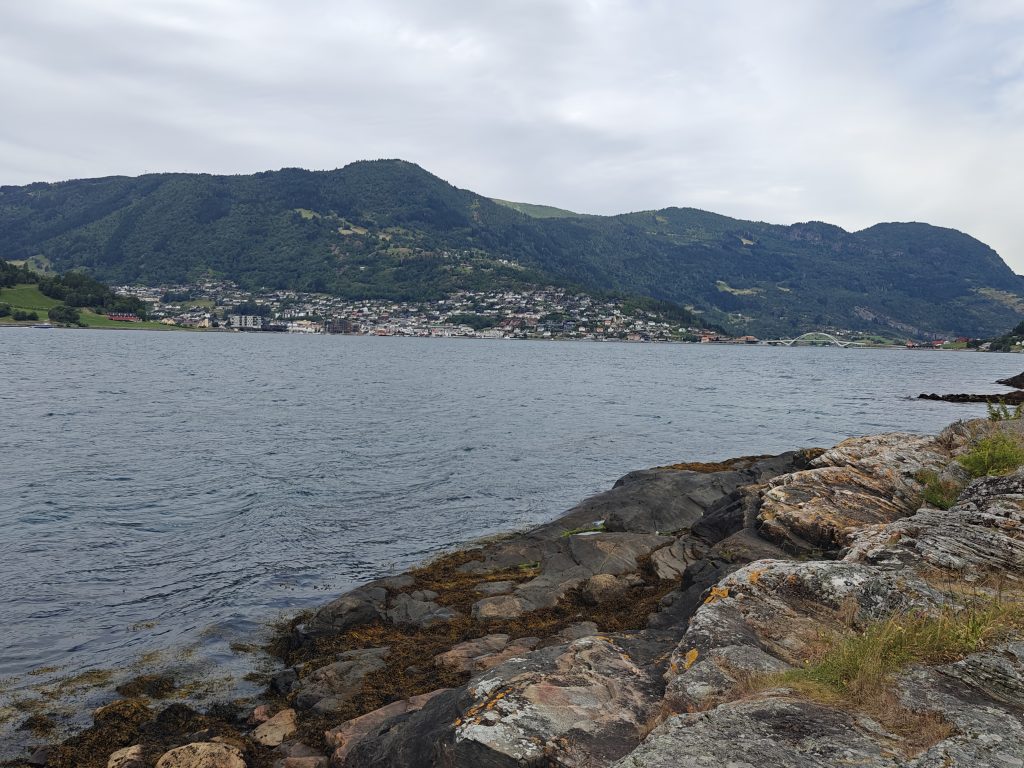
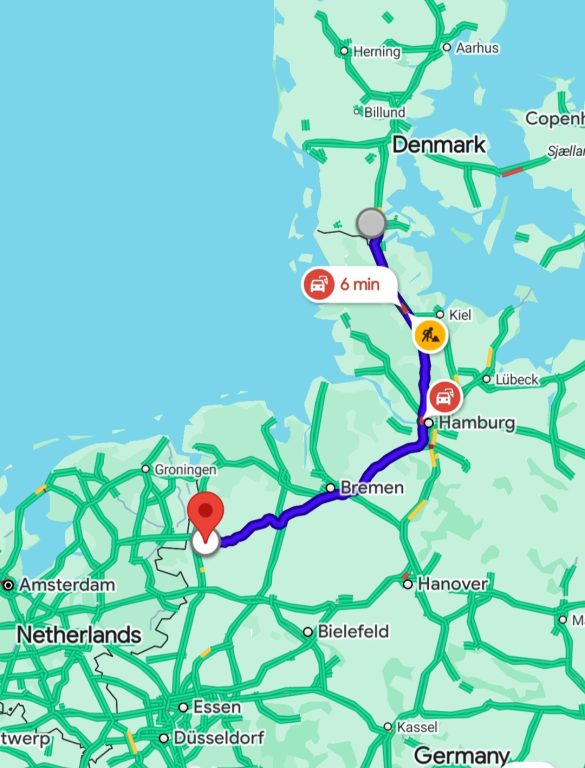
Journey time from Camping Flothyl to Kjerag Camping in Lysebotn was around 3 hours 40 minutes. Distance travelled 108 miles at 32.1 mpg.
The first part of the journey was south on route 9. This appears to have been the subject of a huge amount of construction and progress was good. One can still see the old road in places and this is most certainly a fantastic improvement. There were lot’s of opportunities for wild camping along this section, and also many cycle routes (note for another occasion!), but our destination on Sunday was Lysebotn.
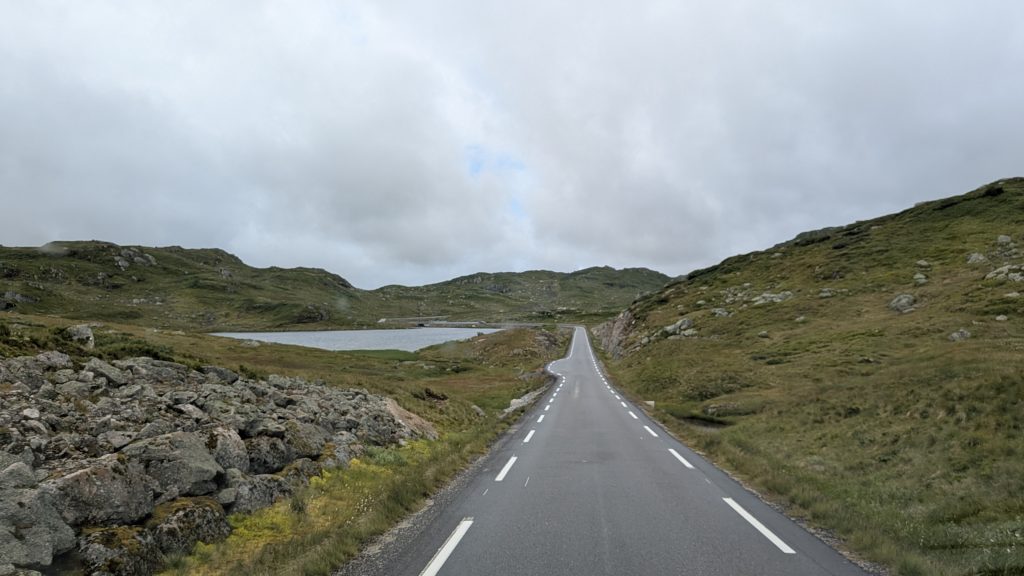
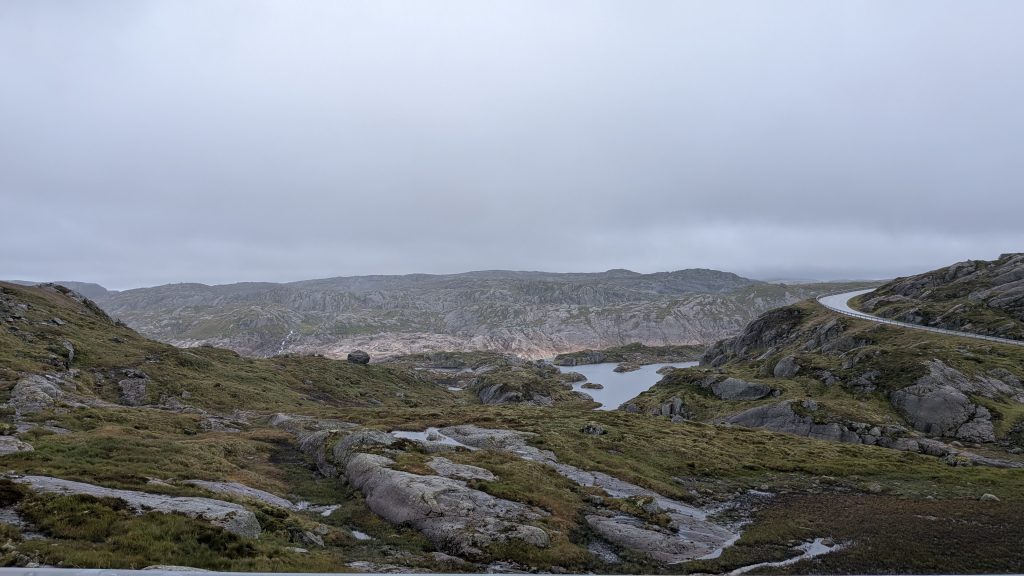
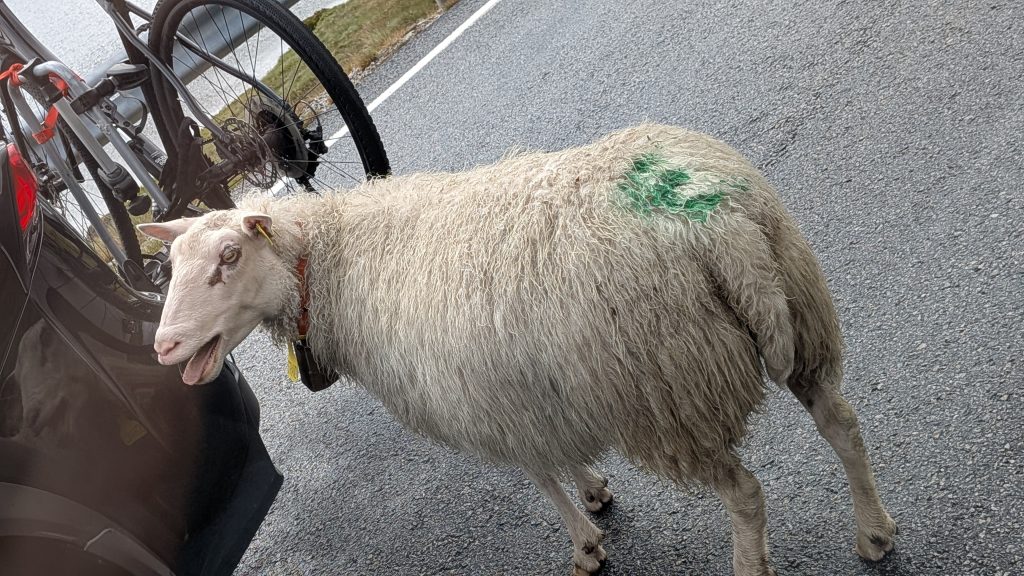
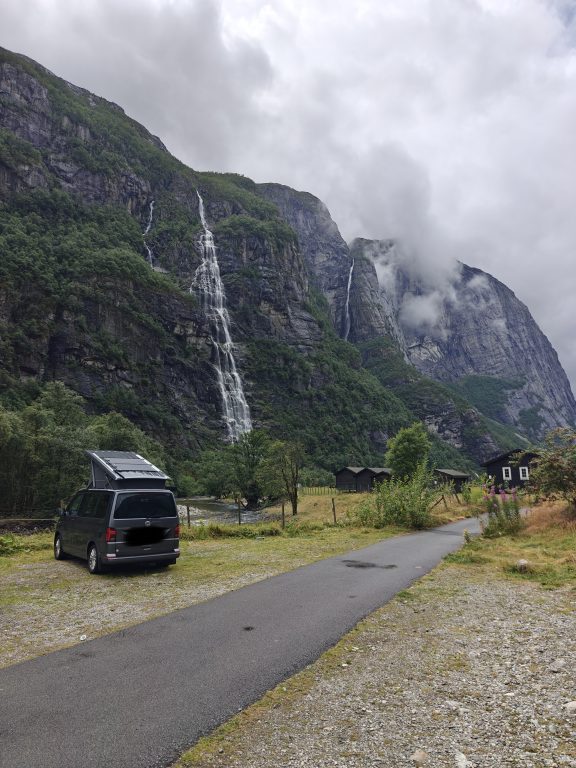
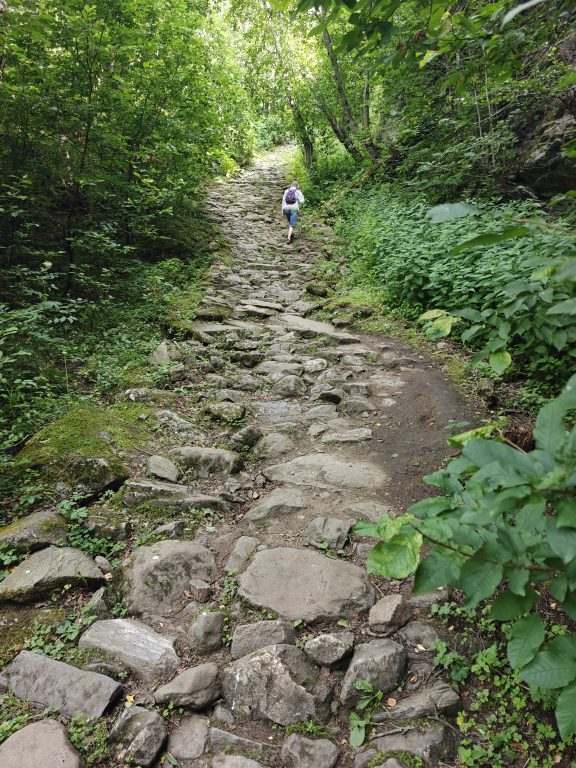
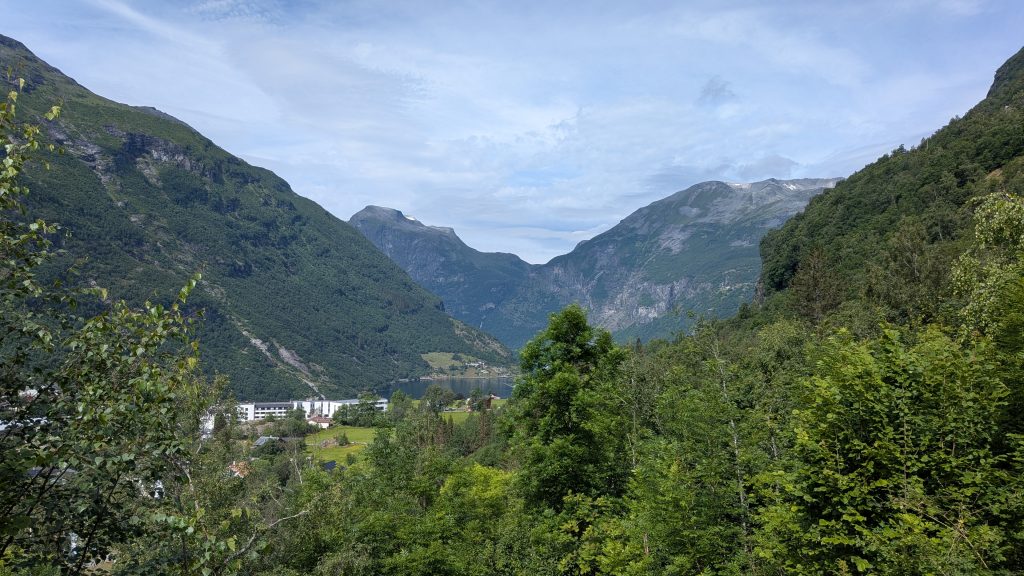
The second half of the journey (the last 41 miles) was a different story. The road is barely wide enough for two vehicles although there are numerous passing places. Lysebotn is a village located at the end of Lysefjorden in a very isolated valley which is only accessible via a summer seasonal road or by boat.
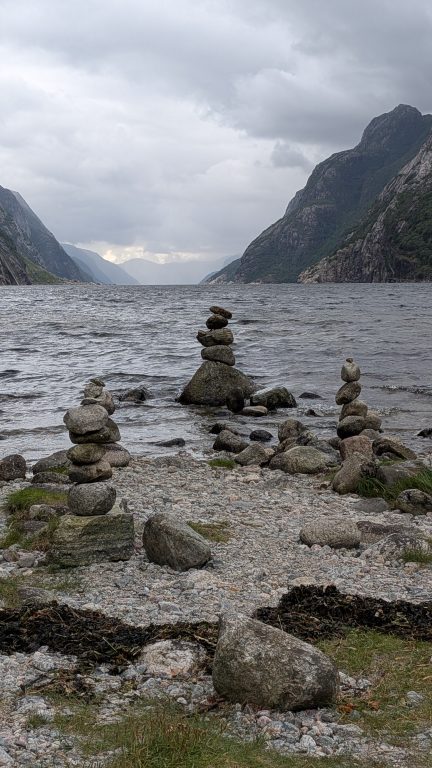
Eurotrip 16, 2026 – Day 50 – 51 Lysebotn (the end of the Fjord)
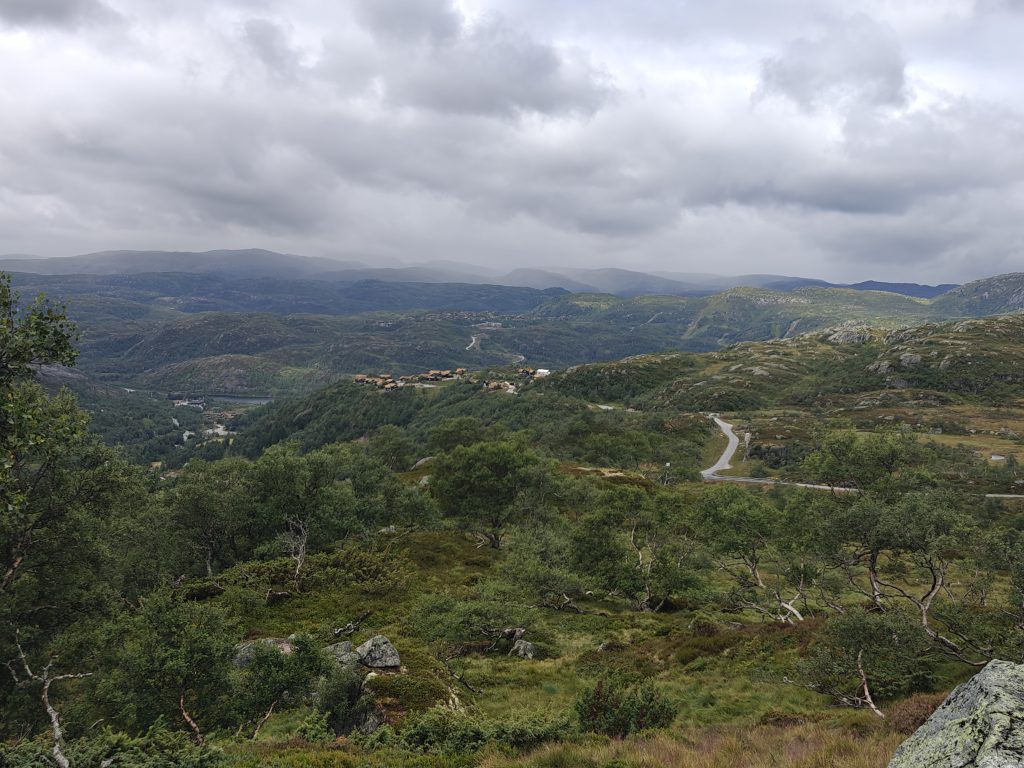
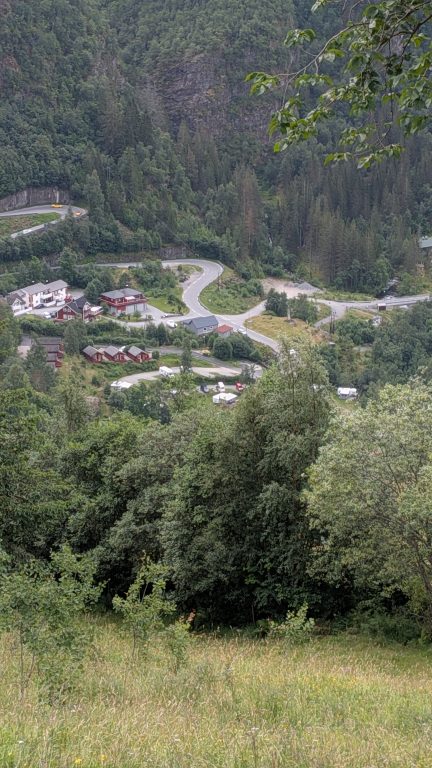
It’s a popular tourist destination with over 100,000 visitors each year and it is an access point for the Kjerag mountain, a popular base jumping spot. The final section of road drops over 900m into Lysebotn down a very steep cliff, going through 27 hairpin bends including one inside a 1100m tunnel that is actually inside the mountain. The road was opened in 1984 and it is only operational during the summer months when it is free of ice and snow.
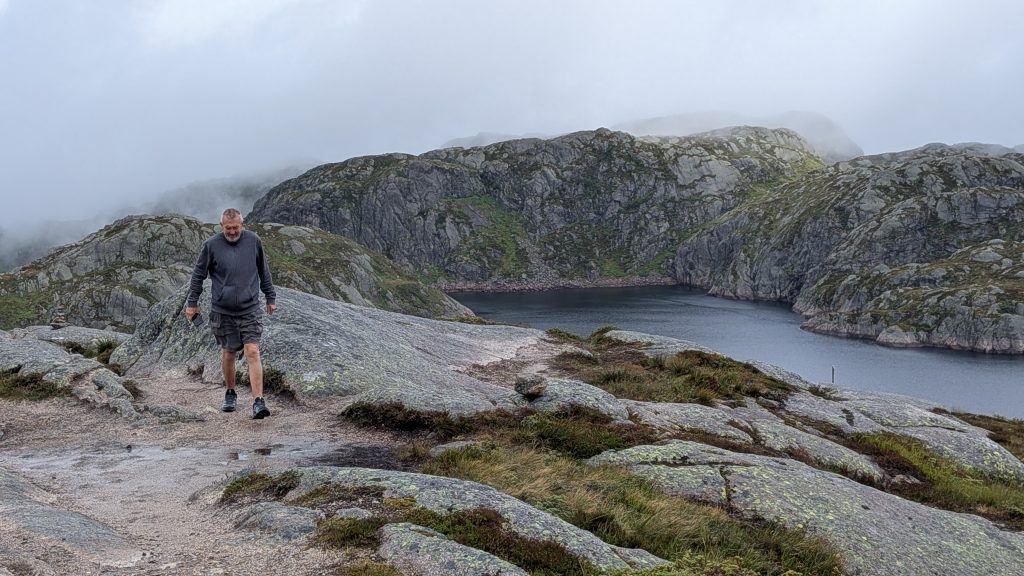
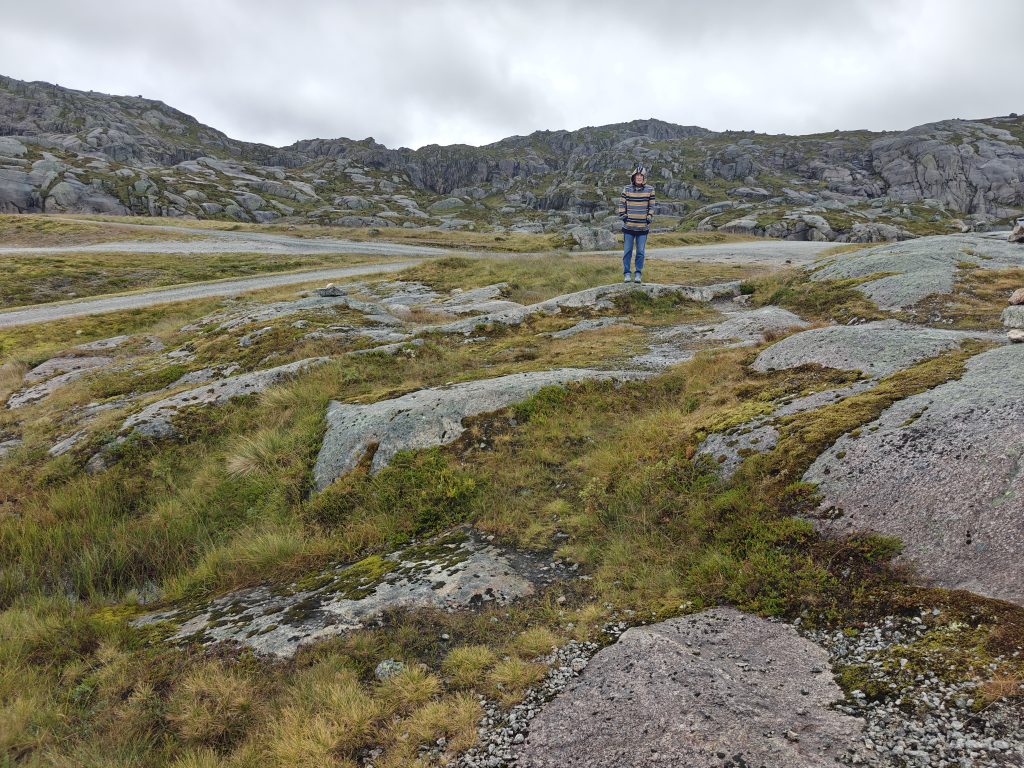
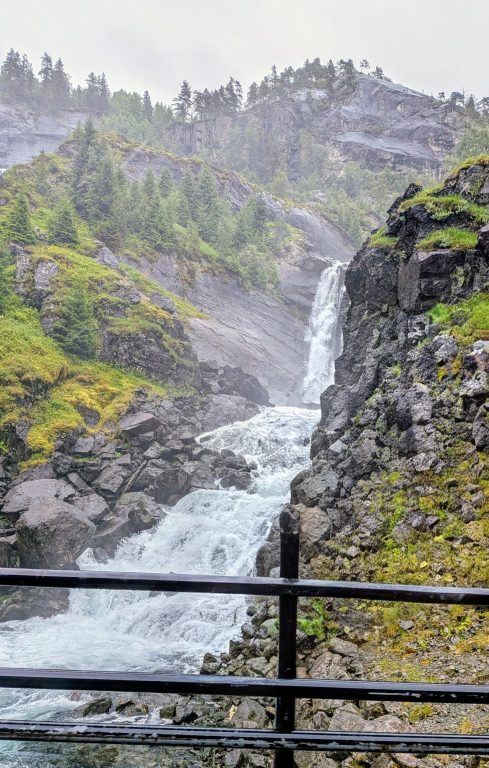
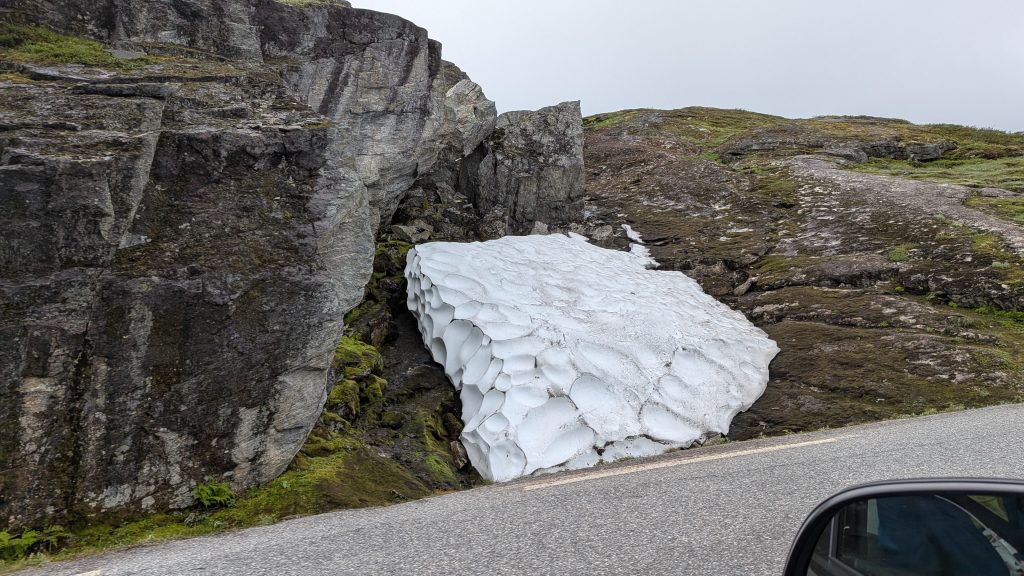
From the Sirdal valley the road runs through impressive mountain peaks and has a lunar-like terrain. It reminded me of the Yorkshire Dales but in a much more extreme and almost endless manner.
Eurotrip 16, 2026 – Day 50 Lunar-like landscape on the road to Lysebotn
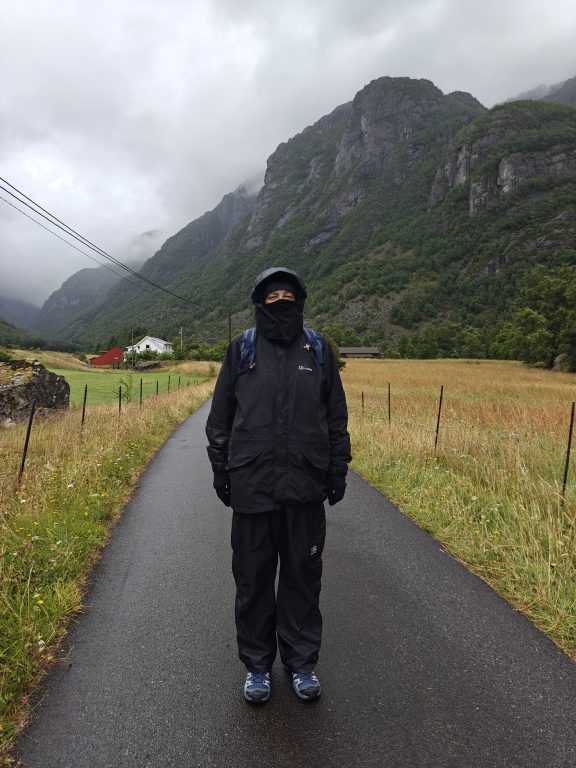
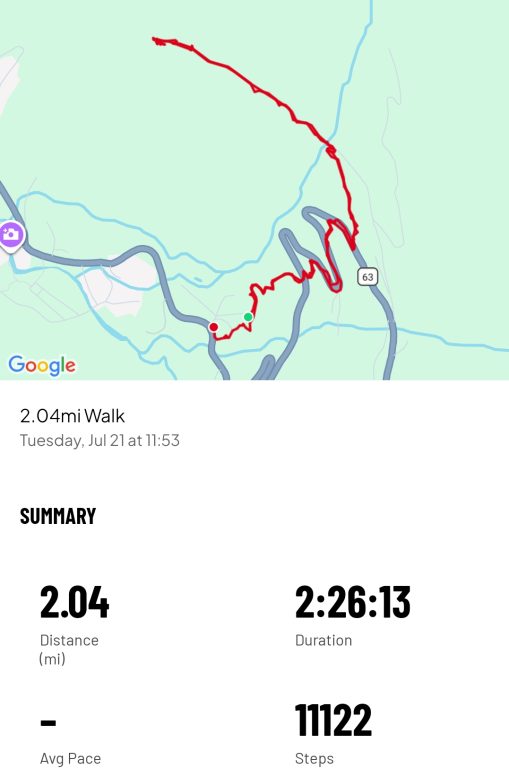
The weather hasn’t been kind to us in recent days. The temperature has been as low as 6 C over the mountain roads and we’ve had persistent heavy rain in Lysebotn. Today we managed a five mile hike from the Campsite but we needed all our waterproof and thermal gear.
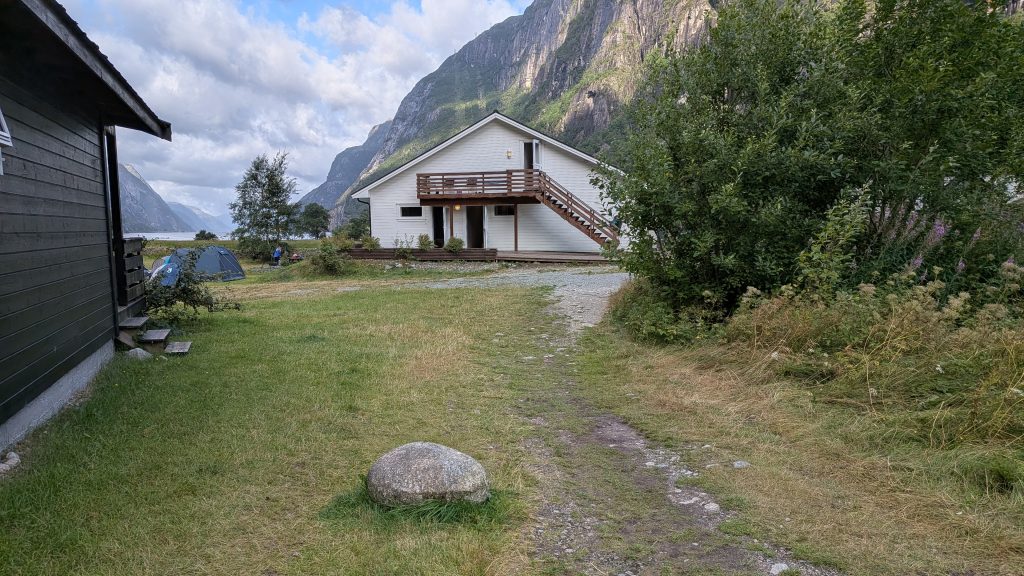
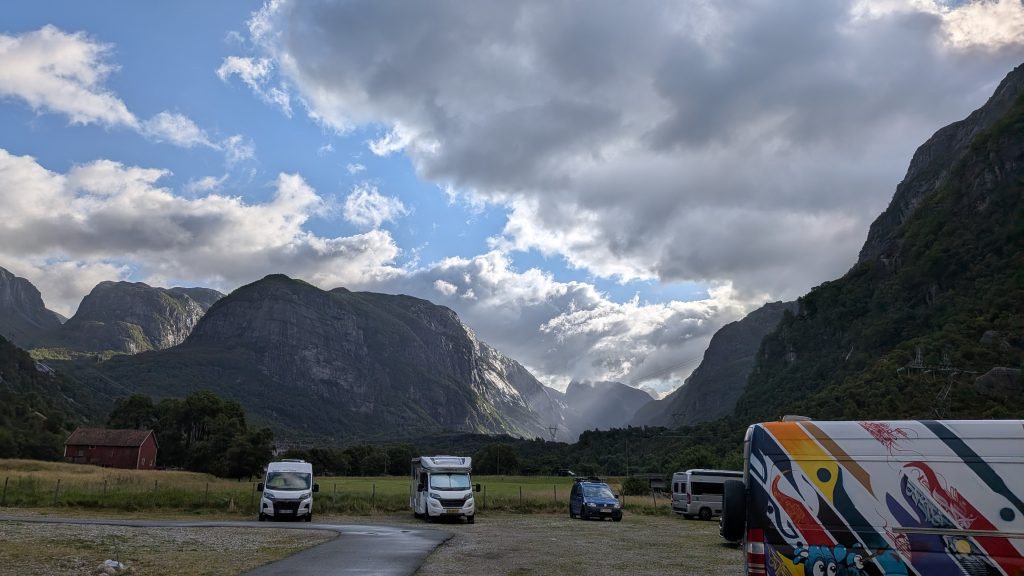
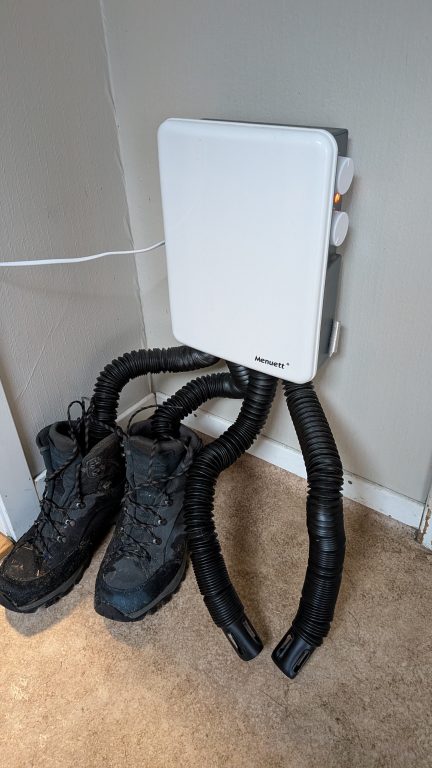
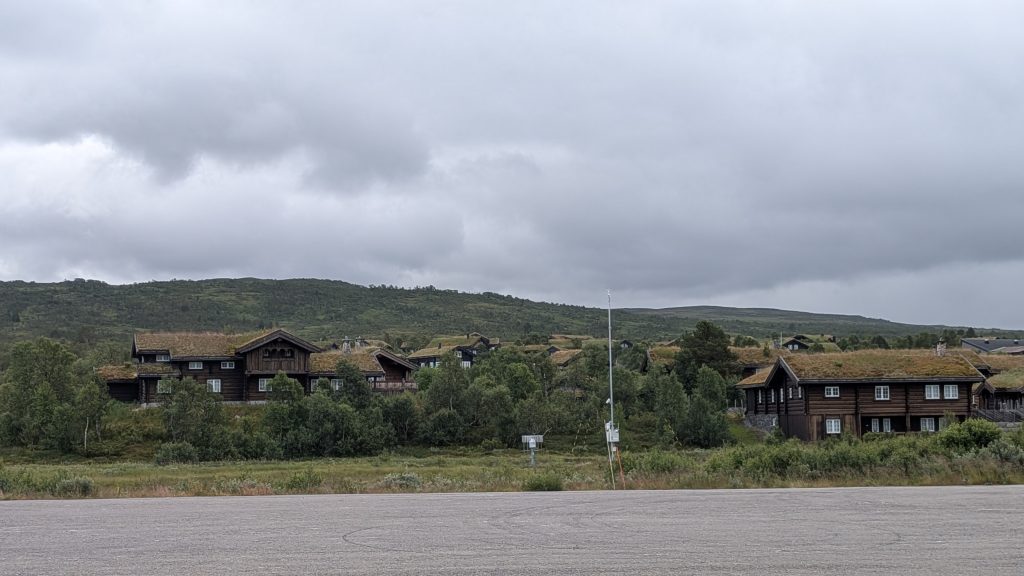
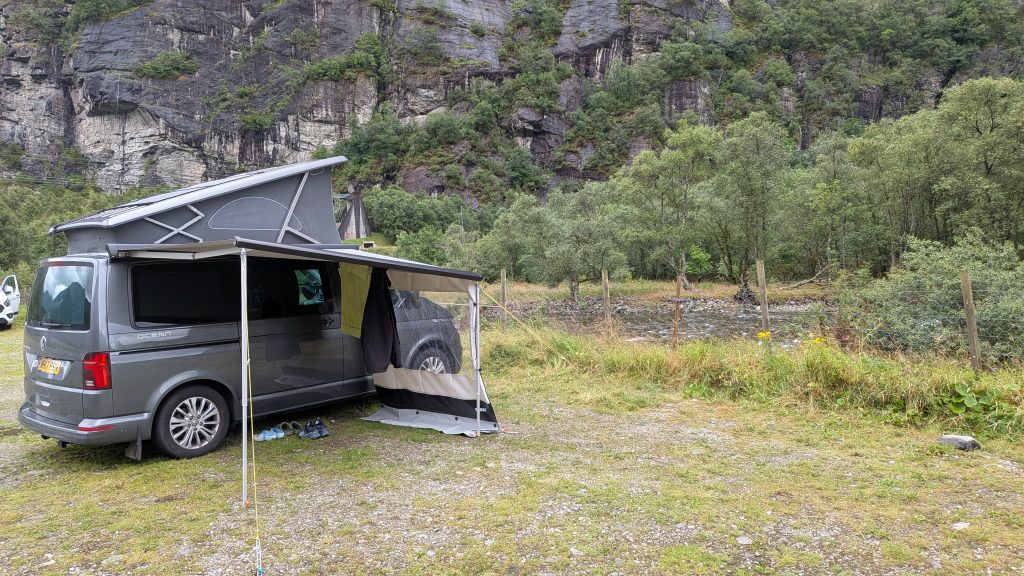
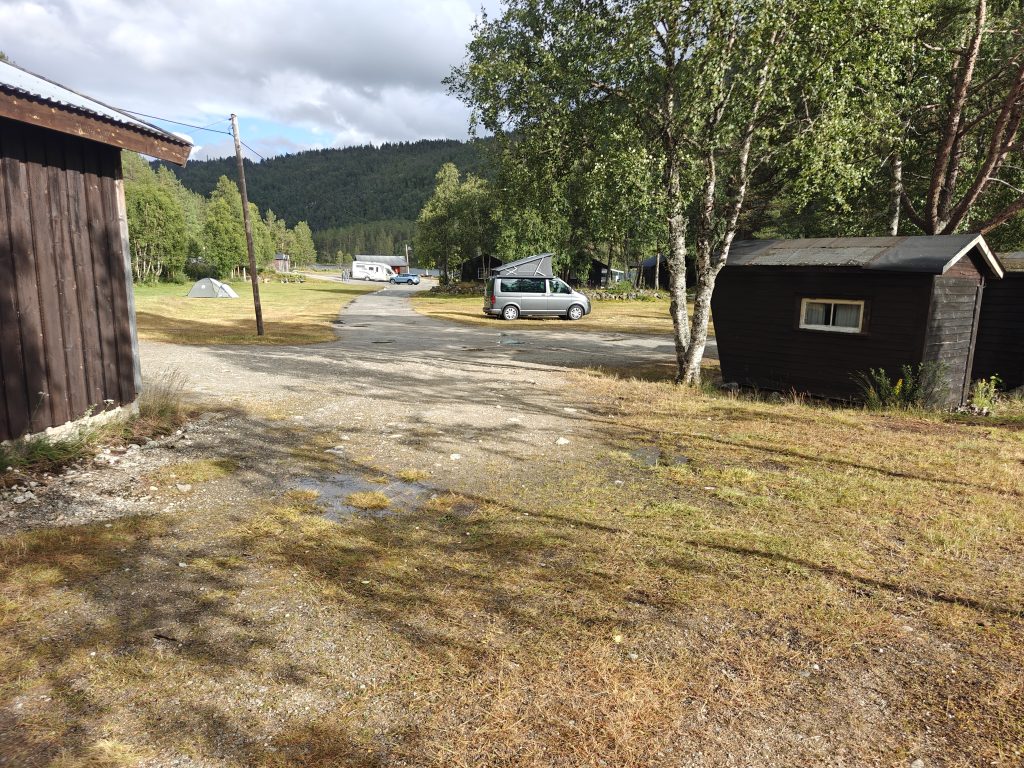
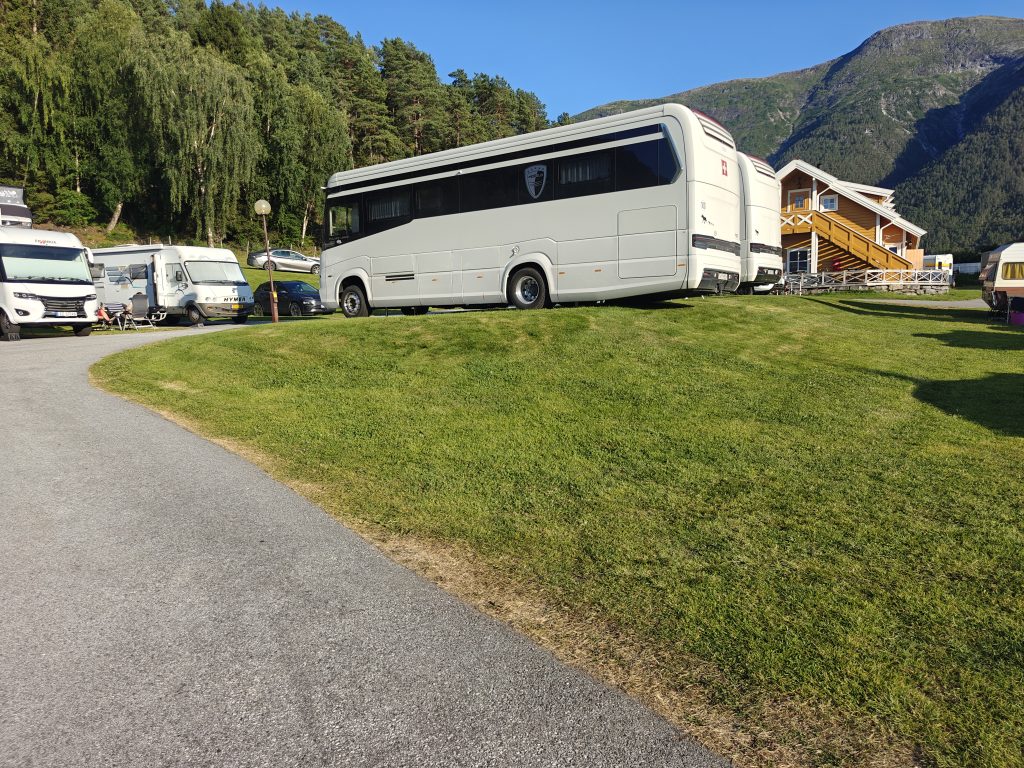
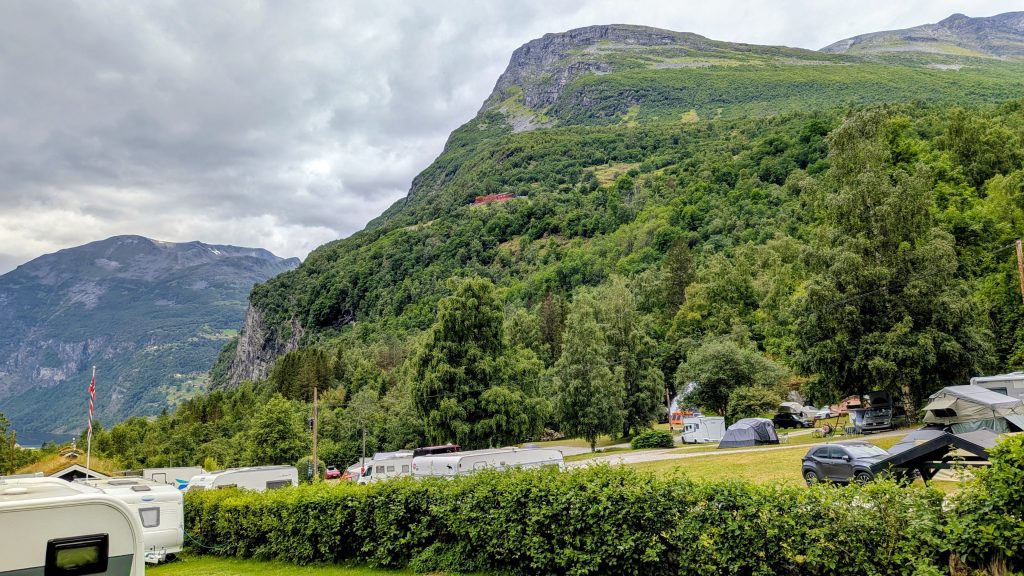
The campsite and its facilities are first rate and there’s even a cafe / bar on-site.
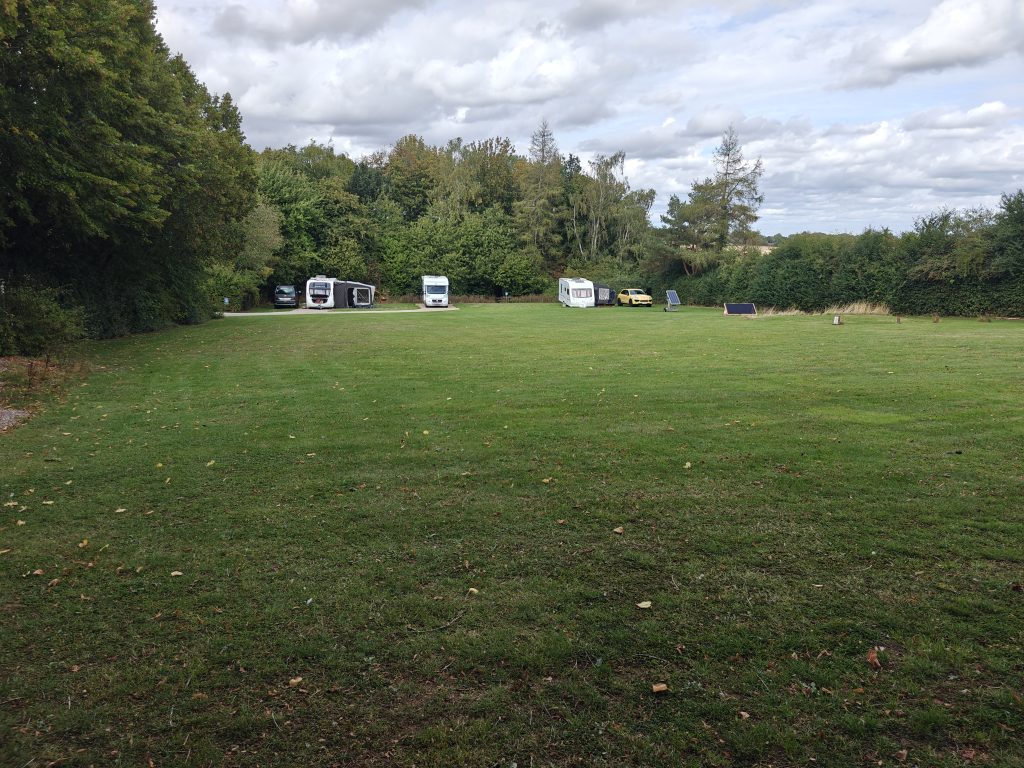
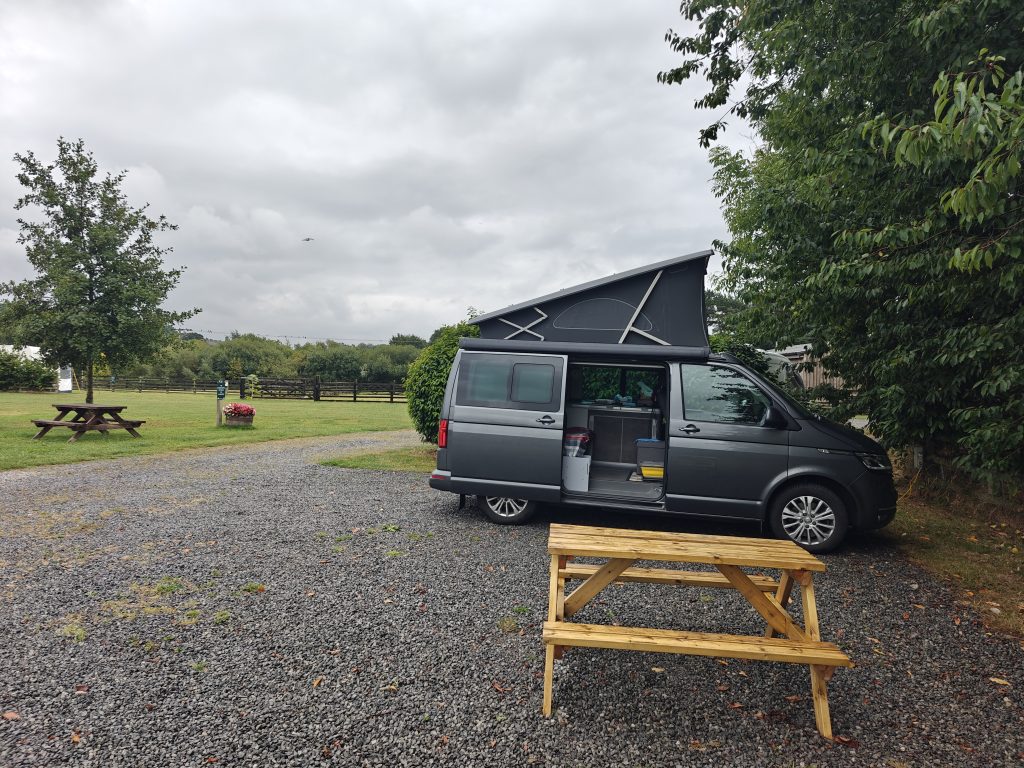
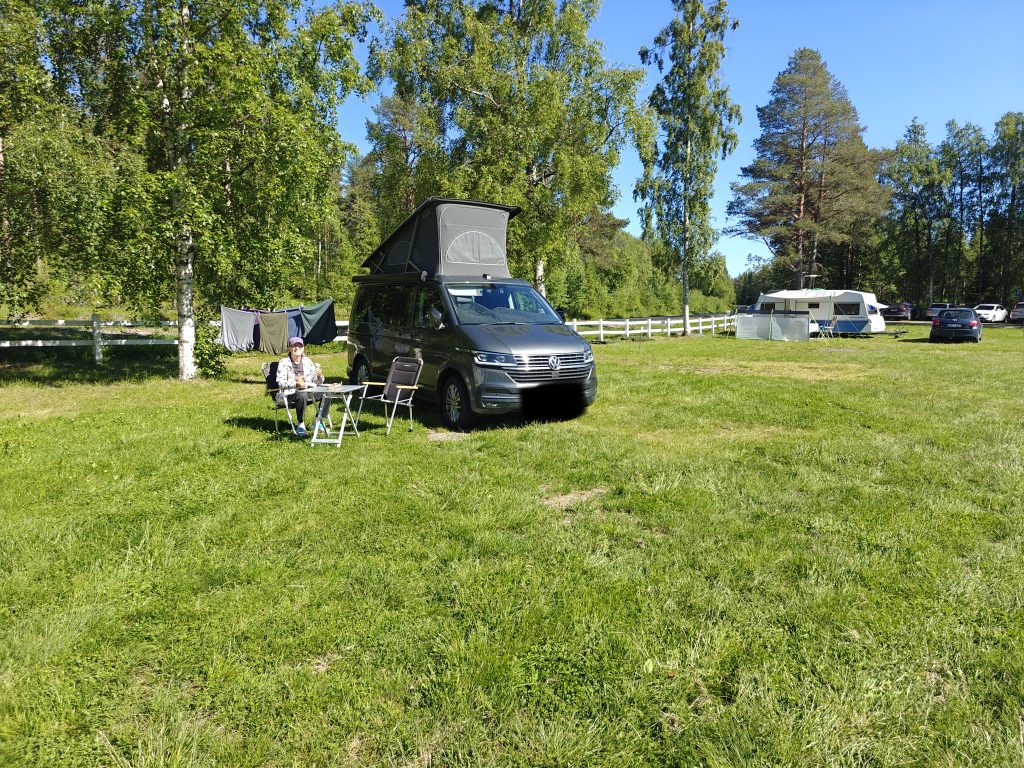
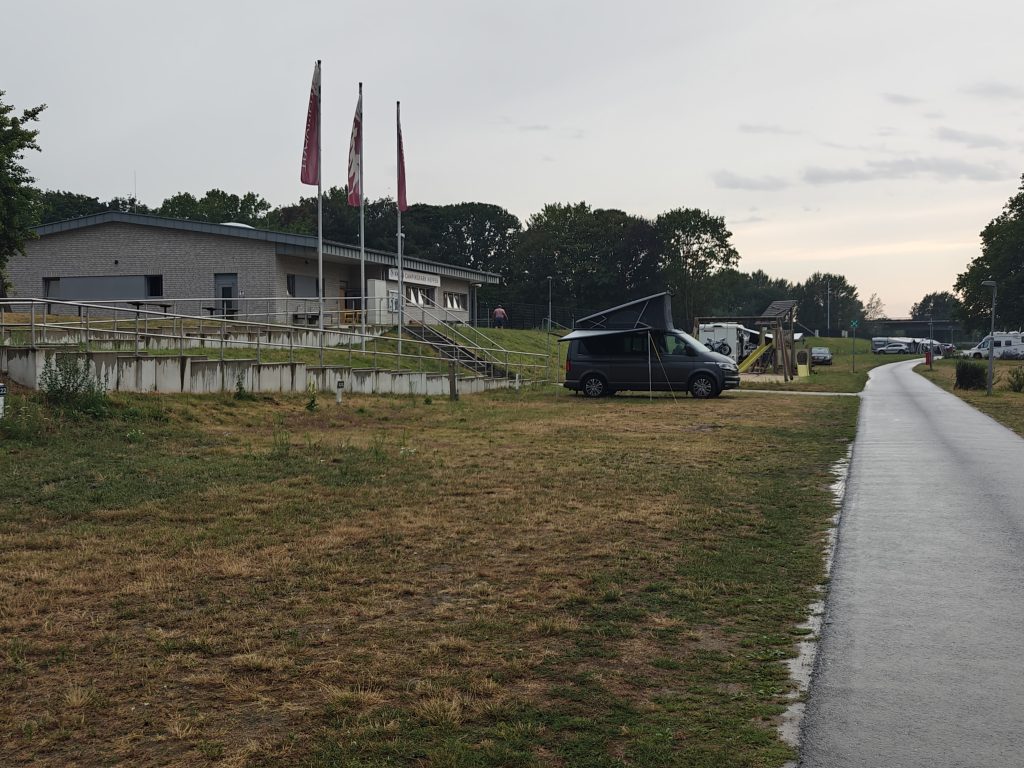
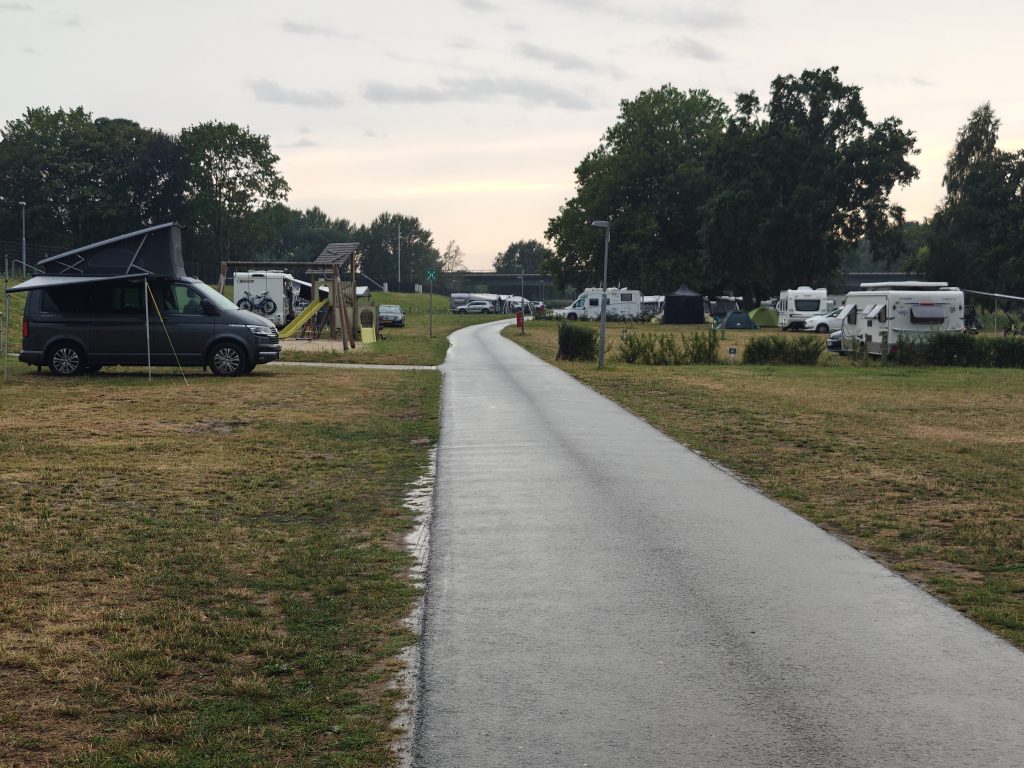
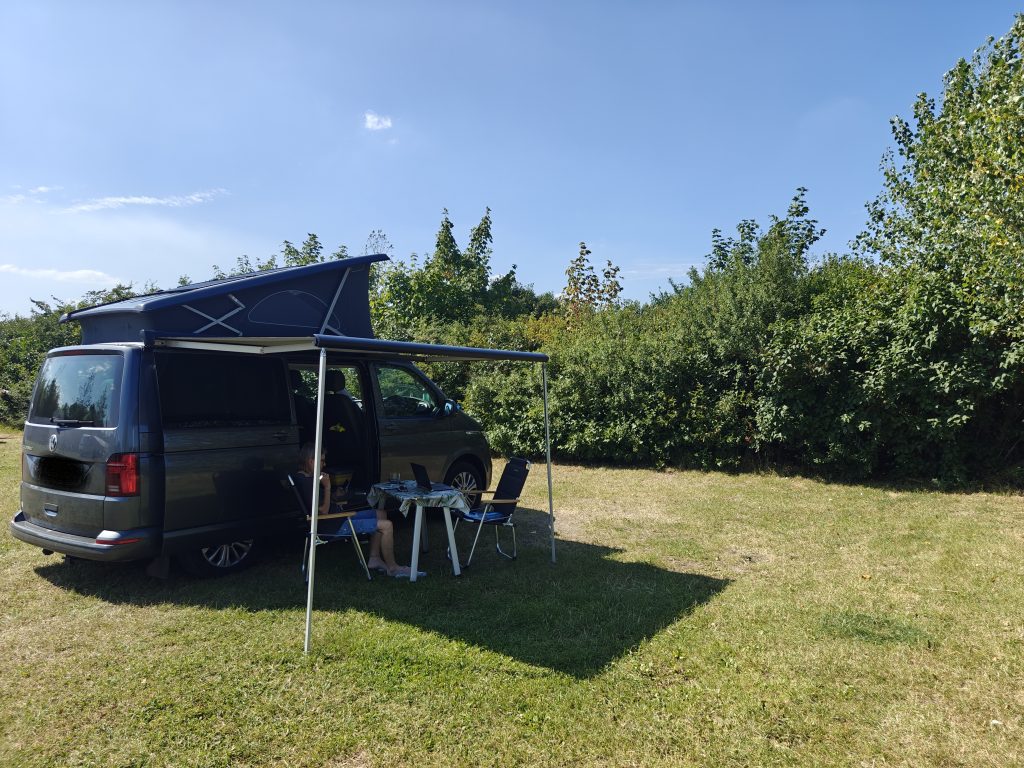
Eurotrip 16, 2026 – Day 50 – 51 Our pitch at Kjerag Camping, Lysebotn
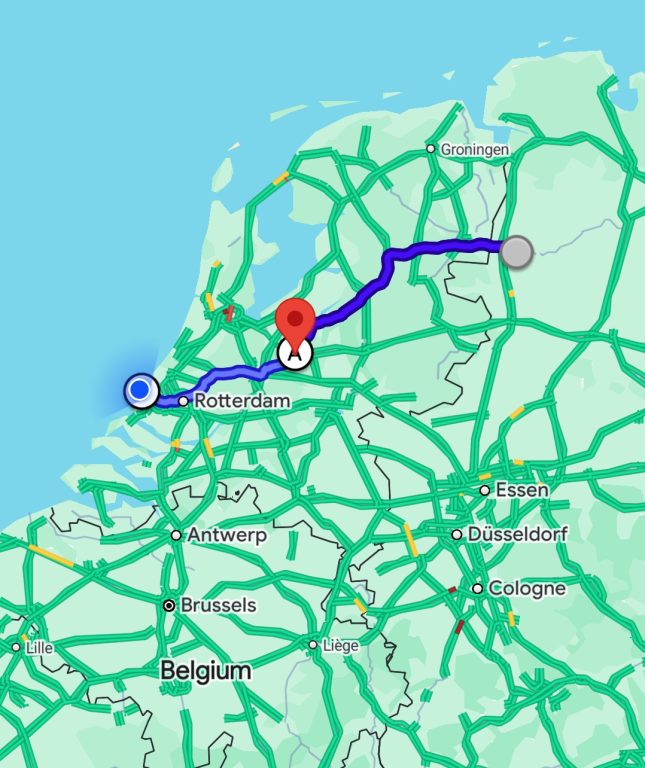
Tomorrow we re-trace our tracks over the Lysevegen and head to Stavanger where we hope to be boarding a ferry to Denmark…
What seemed like a reasonable 199 miles from Kjornes camping to Flothyl Camping expanded a little when Moe decided we would visit the Borgund Stave church. It was definitely worth the small detour.
217 miles in an elapsed day of 8 hours including 6.5 hours actual driving. Returned 35.8 mpg.
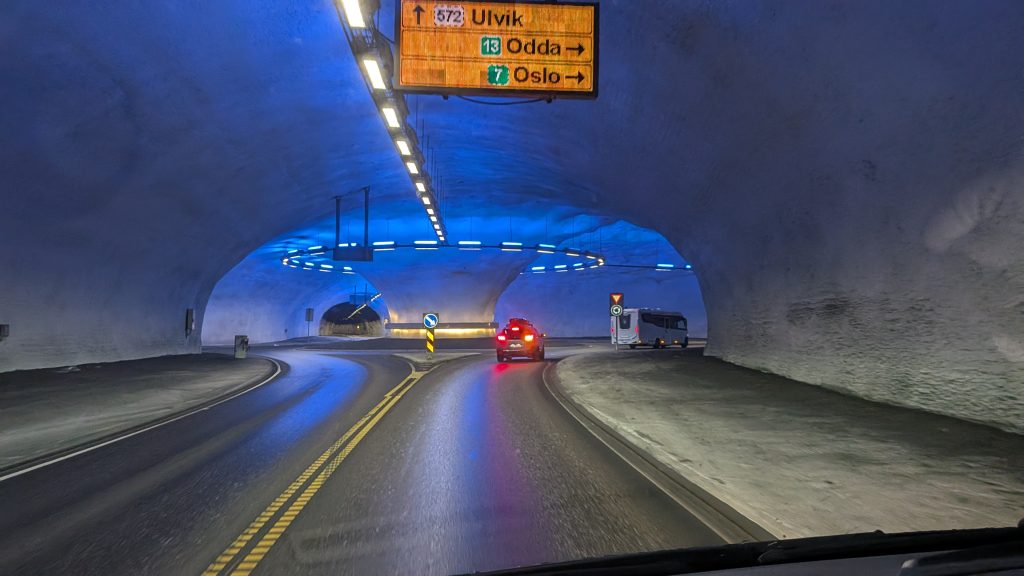
We seemed to spend more time underground in tunnels than above ground including passing through the longest road tunnel in the world – the Laerdal tunnel – at 25 km. Another was some 12 km and we even encountered sub-terranean roundabouts!
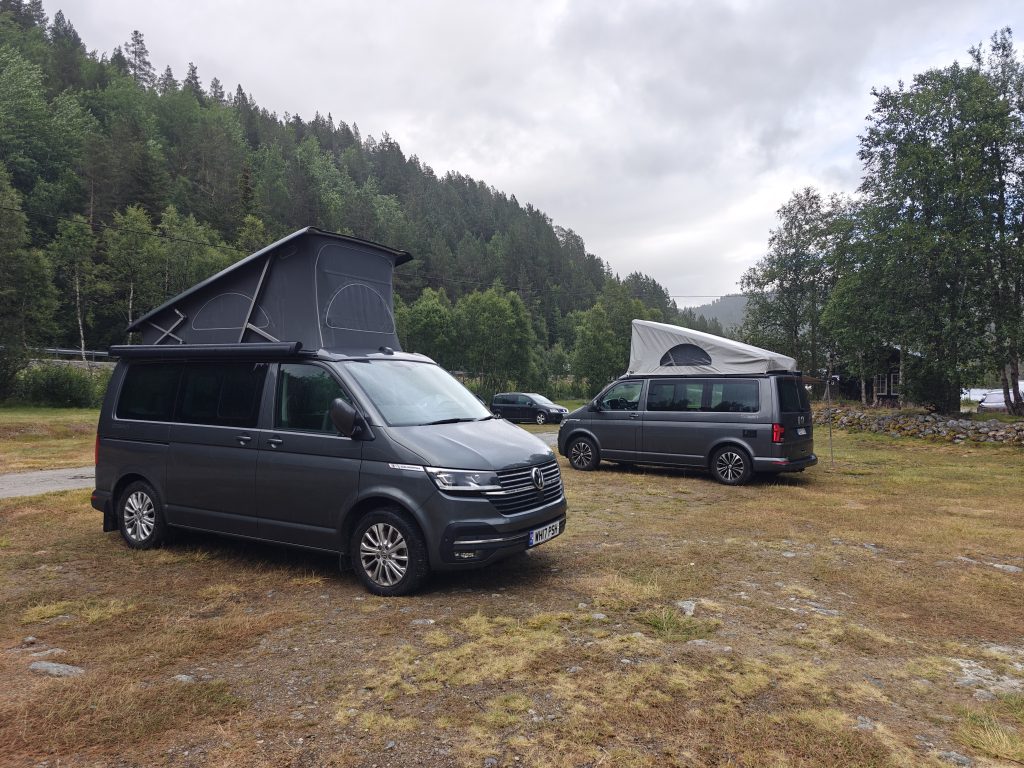
On-site at Camping Flothyl and Nellie’s twin is alongside!
Eurotrip 16, 2026 – Day 49, Flothyl Camping, near Haukeli
Eurotrip 16, 2026 – Day 49, Sogndal to Haukeli via Borgund
* * * * *
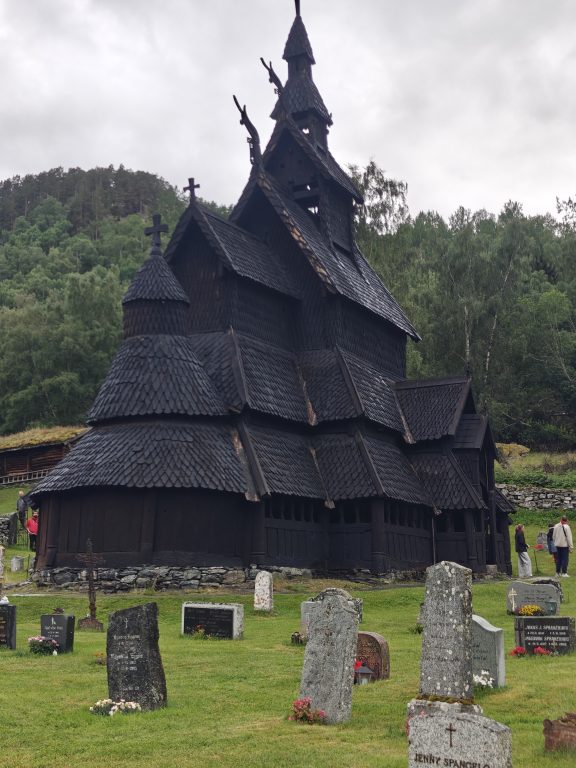
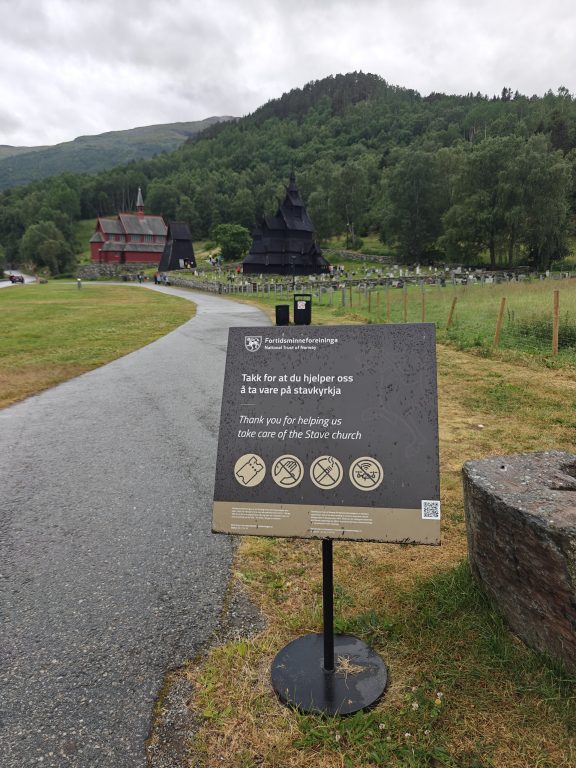
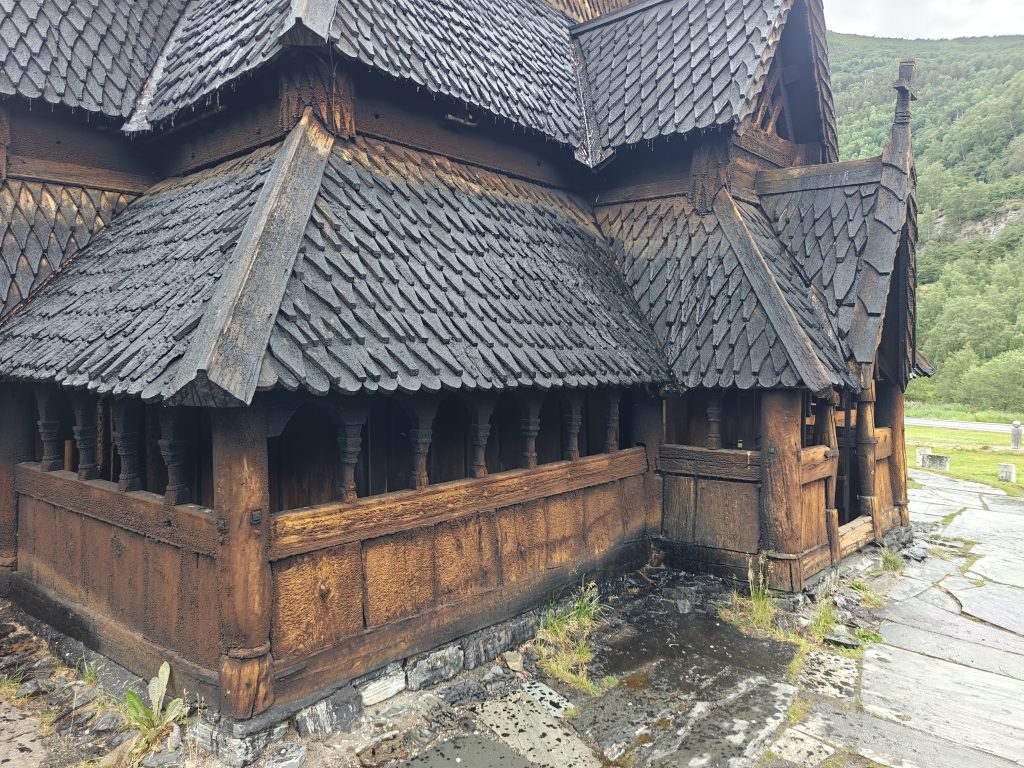
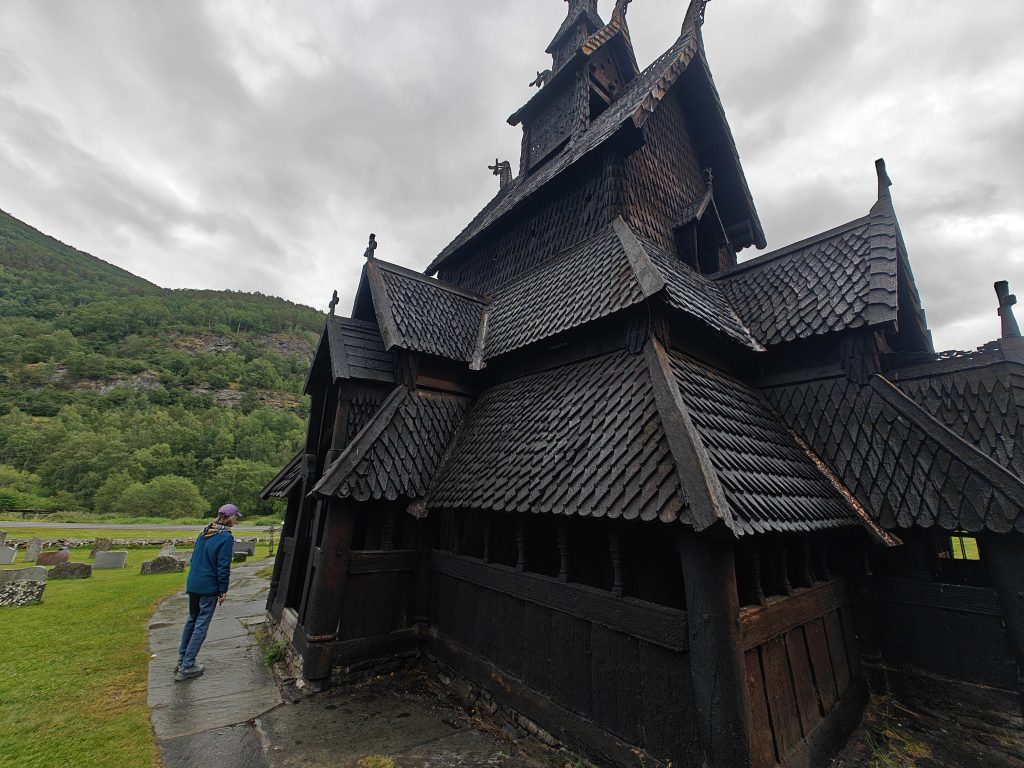
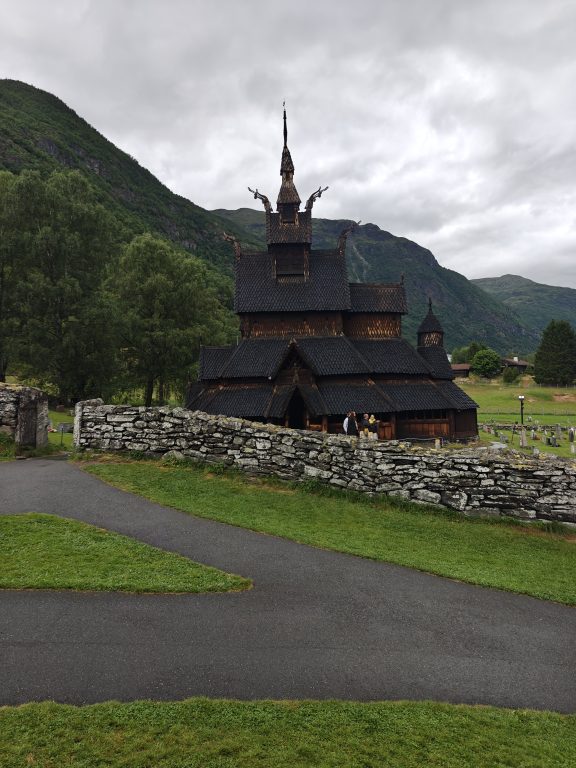
Built around 1180 and dedicated to the Apostle Andrew, Borgund Stave church is exceptionally well preserved and is the most distinctive stave church in Norway. Some of its finest features are the lavishly carved portals and the crosses and carvings of dragon’s heads on the roofs.
Eurotrip 16, 2026 – Day 49, Borgund Stave Church
Borgund Stave Church was purchased in 1877 by the National Trust of Norway.
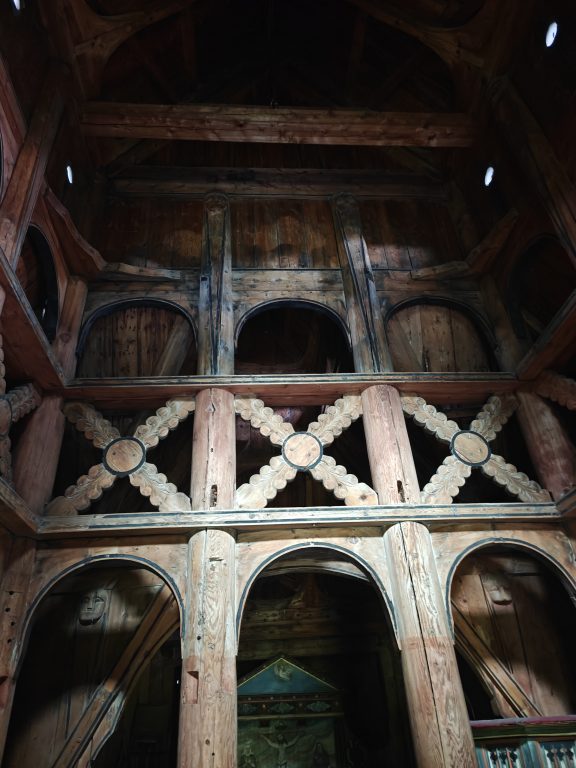
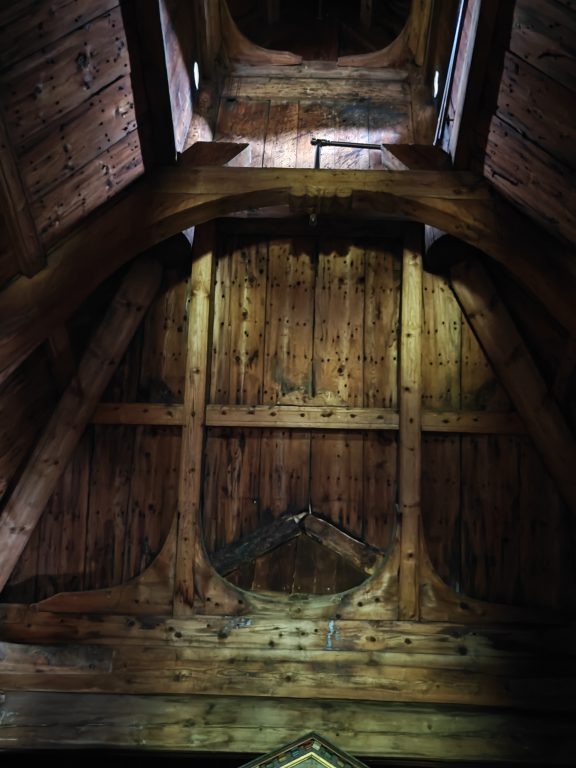
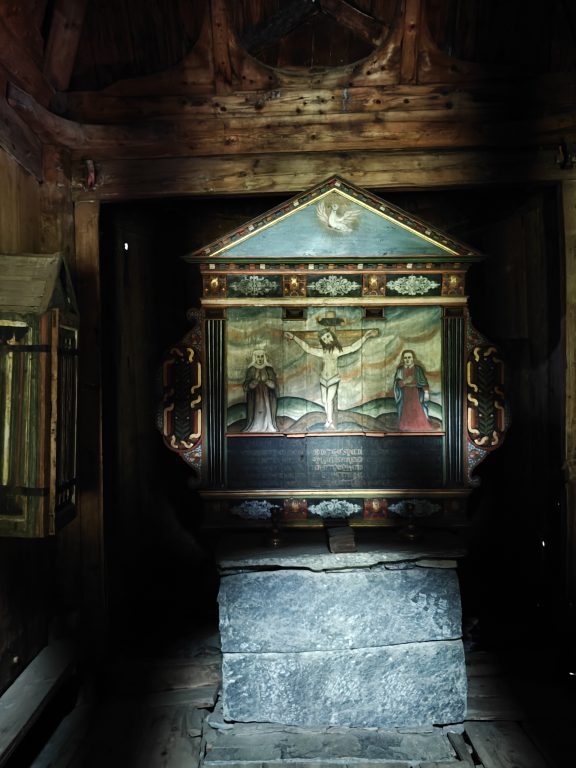
A stave church is a medieval wooden Christian church characterised by a structural framework of load-bearing vertical posts, called “staves”. Primarily built in north-western Europe, mostly in Norway, between 1150 and 1350, these masterpieces of Viking-era woodworking feature overlapping roof shingles and a blend of Christian and Norse art. Tar and charcoal is used to further preserve the wood.
We arrived at Flothyl camping late afternoon, after an interesting journey, traversing numerous tunnels and narrow mountain roads. We encountered our first underground roundabout.
Eurotrip 16, 2026 – Day 49, Flothyl Camping, near Haukeli
Eurotrip 16, 2026 – Day 49, Sogndal to Haukeli via Borgund
We left Geiranger on Wednesday morning. The nearby mountain, Akerneset, didn’t collapse and we we were not subsequently consumed by the predicted 80m tsunami.
A drive of 133 miles (at 35.4 mpg) and we arrived shortly after 2pm at Camping Kjornes, Sogndal. This is probably the best kept campsite we have stayed on.
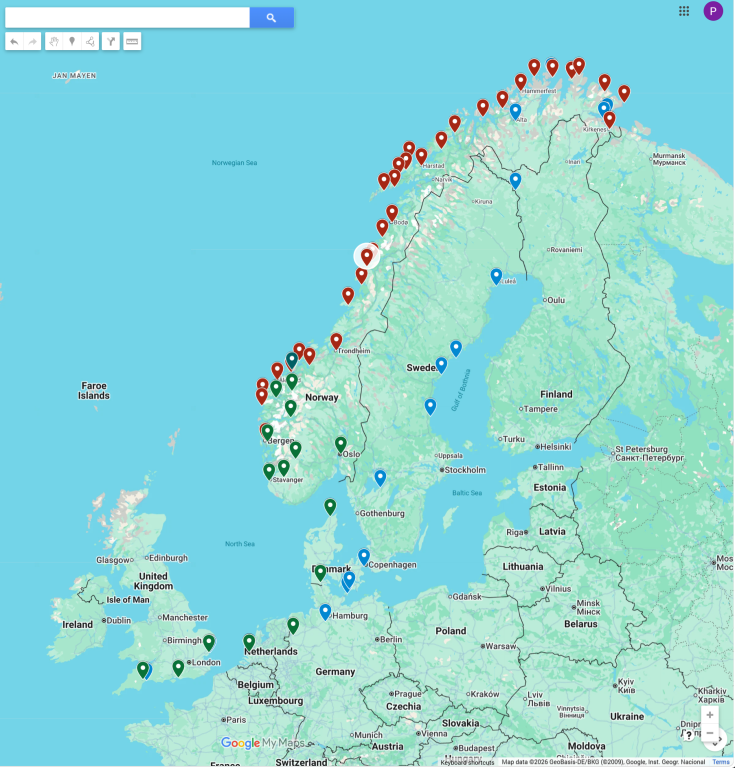
Progress south is slow – I think we are running out of steam and we are finding any excuse to stay longer on sites. Our ferry from Holland departs in 8 days, shortly before all our insurances expire, so I guess we need a plan…
Eurotrip 16, 2026 – Day 46, Geiranger to Sogndal
* * * * *
Kjornes camping was our next stop, some 133 miles from Geiranger. On the mountain tops above Geiranger there are still pockets of snow and the outside temperatures drops to single digits at altitude.
Eurotrip 16, 2026 – Day 46, Geiranger to Sogndal
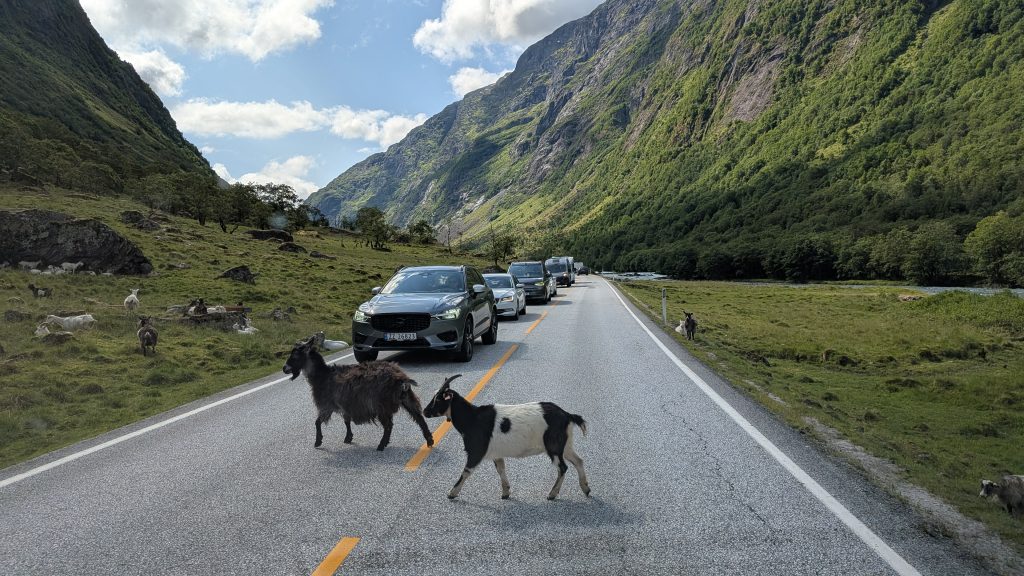
Progress was slow (nothing unusual) with the occasional “hold-up”.
Eurotrip 16, 2026 – Day 46, Geiranger to Sogndal
Moe had chosen camping Kjornes, as it seemed to have plenty of facilities and washing machines / dryers. The reality is that when the site is full (and it is by around 5pm every day), there’s always a queue.
However the sanitary facilities are clean and high-spec and this is probably the nicest campsite we have stayed on. This is also reflected in the price of 500 NOK per night without electricity and another 60 NOK for electricity. That’s about £45 for the night. Tokens (and a long wait) for the laundry services were also pricey. Anyhow, we have now added a second and third night here!
Still, the cost clearly wasn’t an issue for this pair of Morelo Palacios (about 1m Euros worth). His ‘n’ hers maybe??
Eurotrip 16, 2026 – Day 47, Pair of Morelo Palacios, Kjornes Camping, Sogn
The site is nicely laid and plenty of space between us and the neighbours. Views across the Fjord to and towards the town of Sogndal are lovely.
Eurotrip 16, 2026 – Day 46 – 48, Our pitch at Kjornes Camping, Sogndal
Eurotrip 16, 2026 – Day 46 – 48, Views from Kjornes Camping, Sogndal
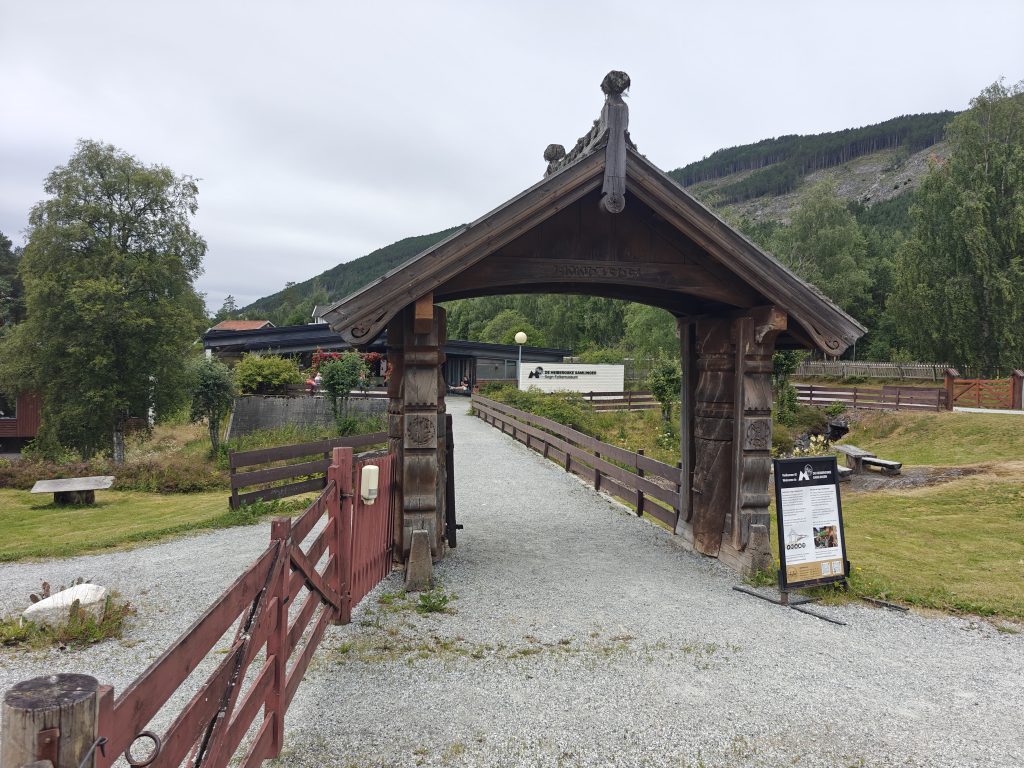
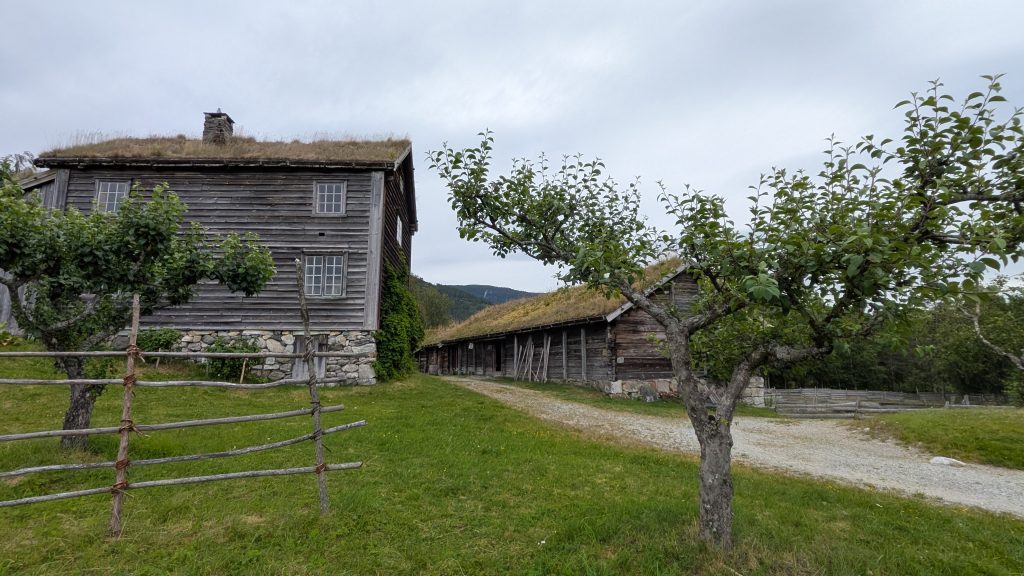
Thursday we walked to the Sogn Folkemuseum, catching a bus back. It’s a 3 – 4 mile walk and quite a demanding ascent the entire way – the cafe was a welcome stop on arrival, with lots of homemade cakes – of course, Moe ate two!
If you wanted a less strenuous visit, best to take the bus and walk back! It is a lovely walk though so it’s definitely worth doing.
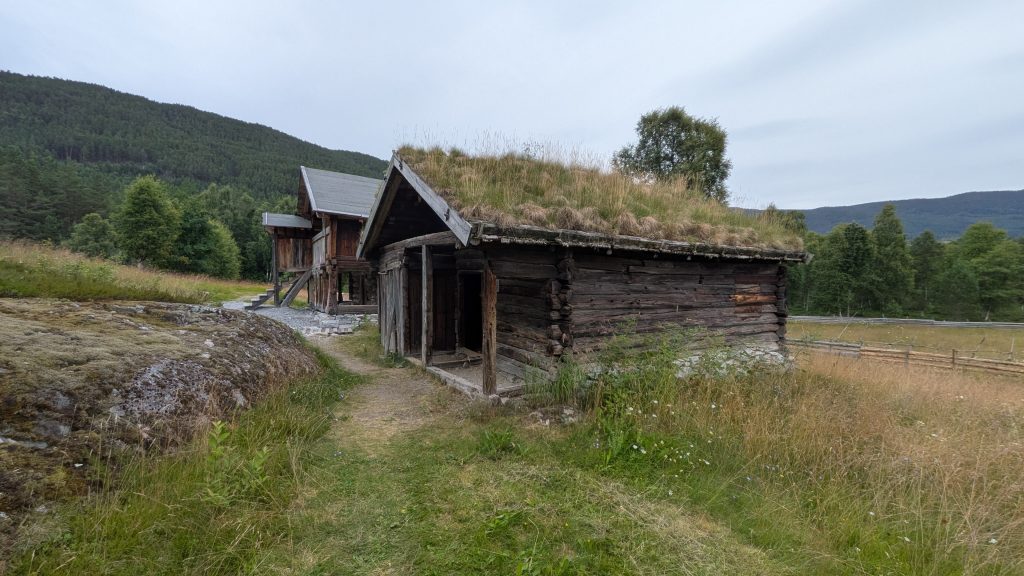
The outdoor museum is situated amidst a beautiful natural and cultural landscape, with crop fields, meadows and pastures.
Eurotrip 16, 2026 – Day 47, Sogn Folkemuseum
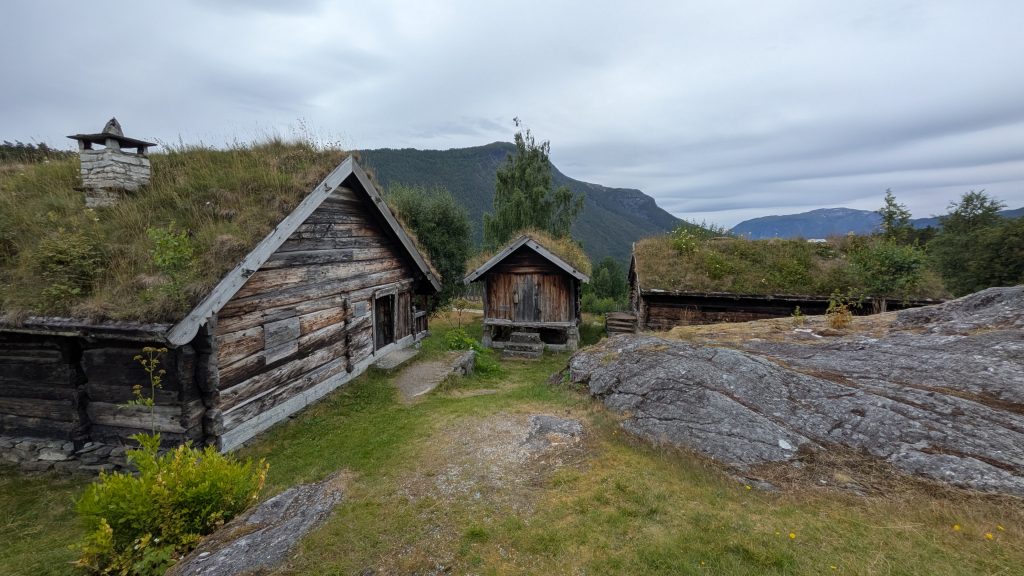
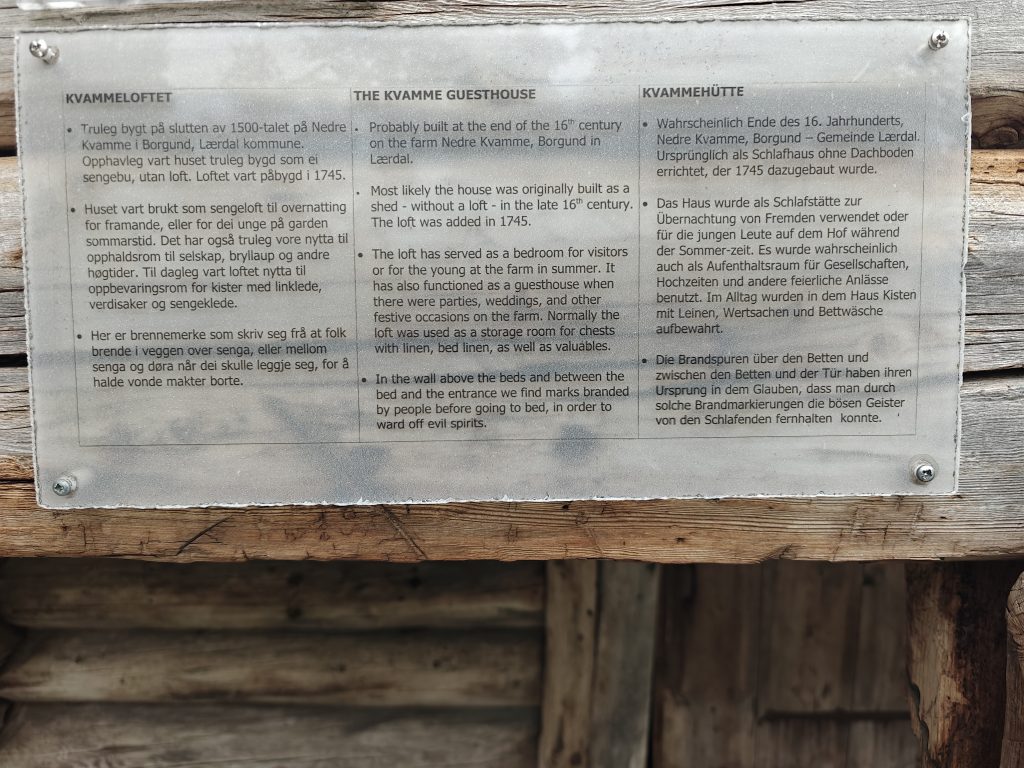
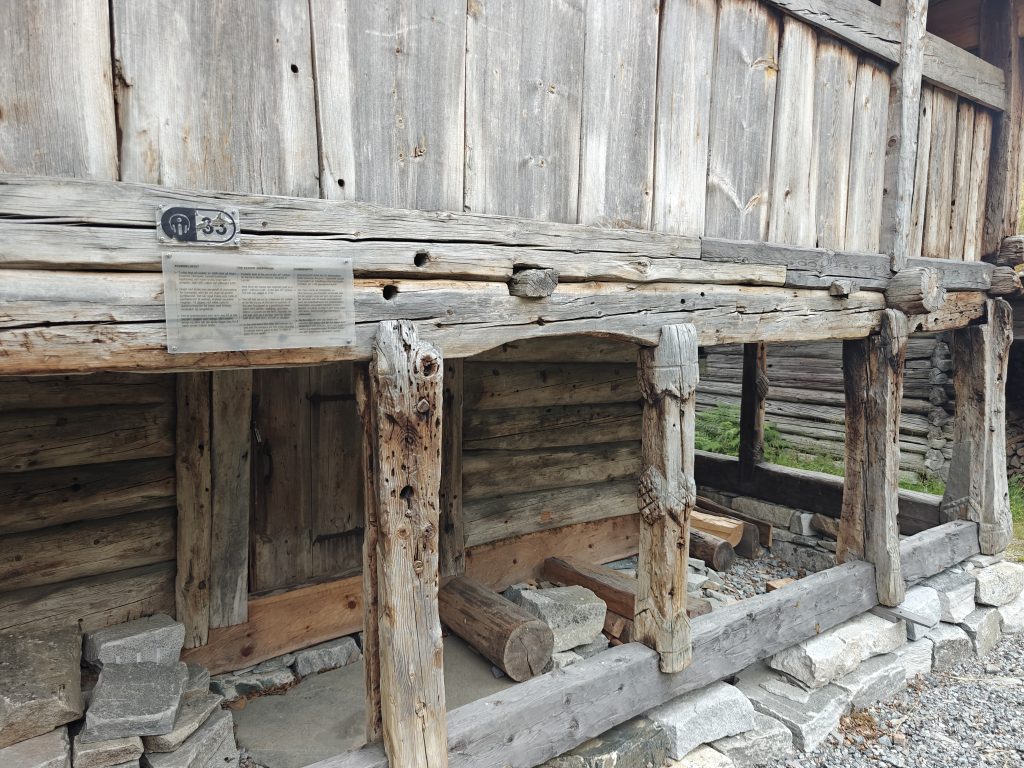
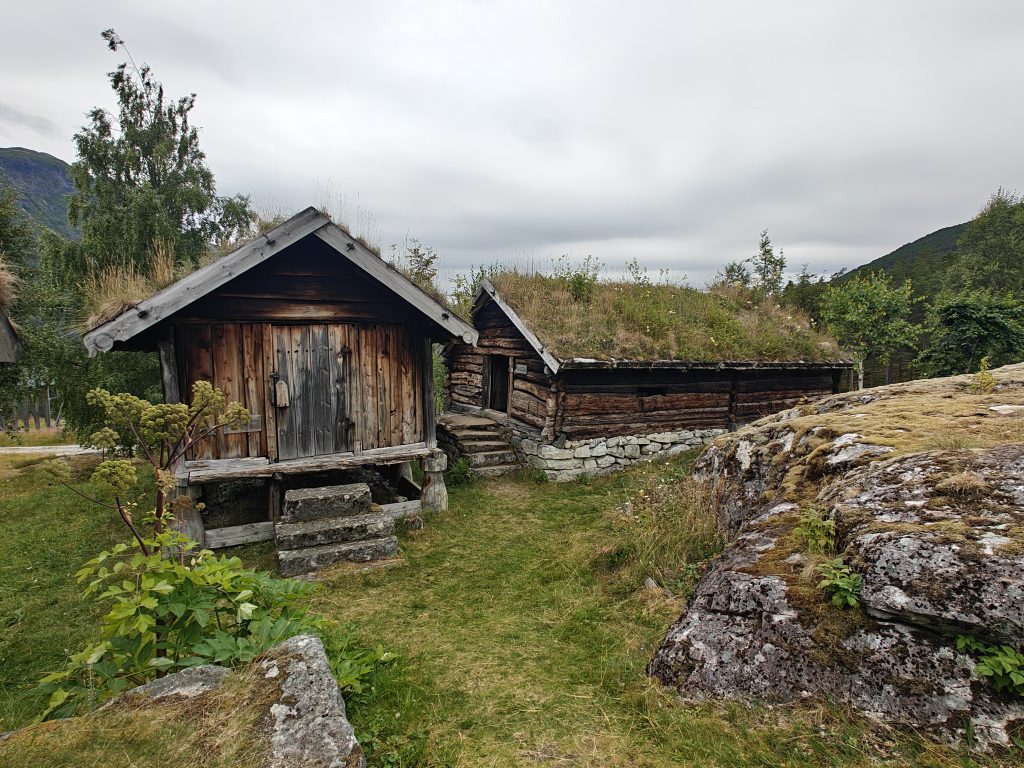
It occupies around 28 acres of land, containing between 30 and 40 different houses that have been relocated from various Sogn villages. Many of them have been arranged as homesteads. There are examples of most historically common Sogn village buildings. The oldest are from the 1500s, ranging from a Middle Age log house to an old vicarage building and a 1980s prefabricated house. There are arches, lofts, barns and other farm buildings, mills and boathouses, smithies, dryhouses, wood storage and outhouses – as well as a remarkable beacon house.
Eurotrip 16, 2026 – Day 47, Sogn Folkemuseum
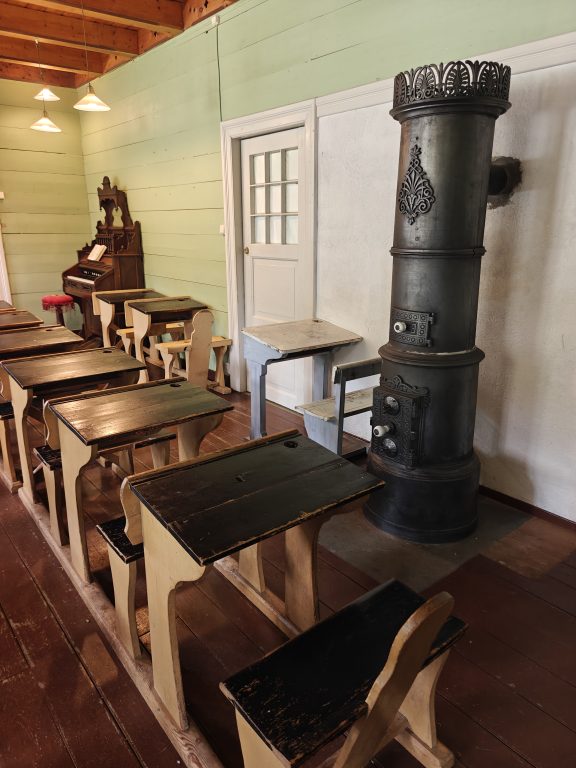
The wood burner in the old school house is awesome…
Eurotrip 16, 2026 – Day 47, Schoolhouse at Sogn Folkemuseum
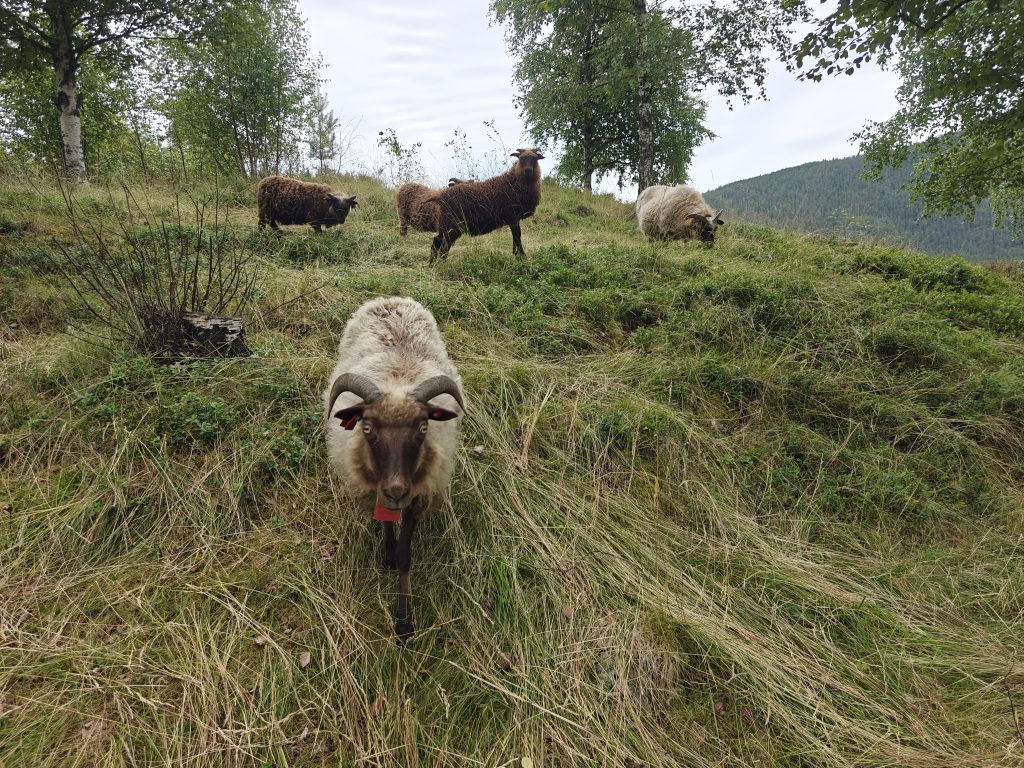
The project of turning the museum into a cohesive cultural landscape was prioritised in the 1980s, and is still evolving. A lot of the cultural landscape relates to 19th century agriculture, and during the season you will be able to see examples of the various farming work. In the summer there are animals of local historical breeds, including cows, sheep, pigs and chickens.
Eurotrip 16, 2026 – Day 47, Sheep at Sogn Folkemuseum
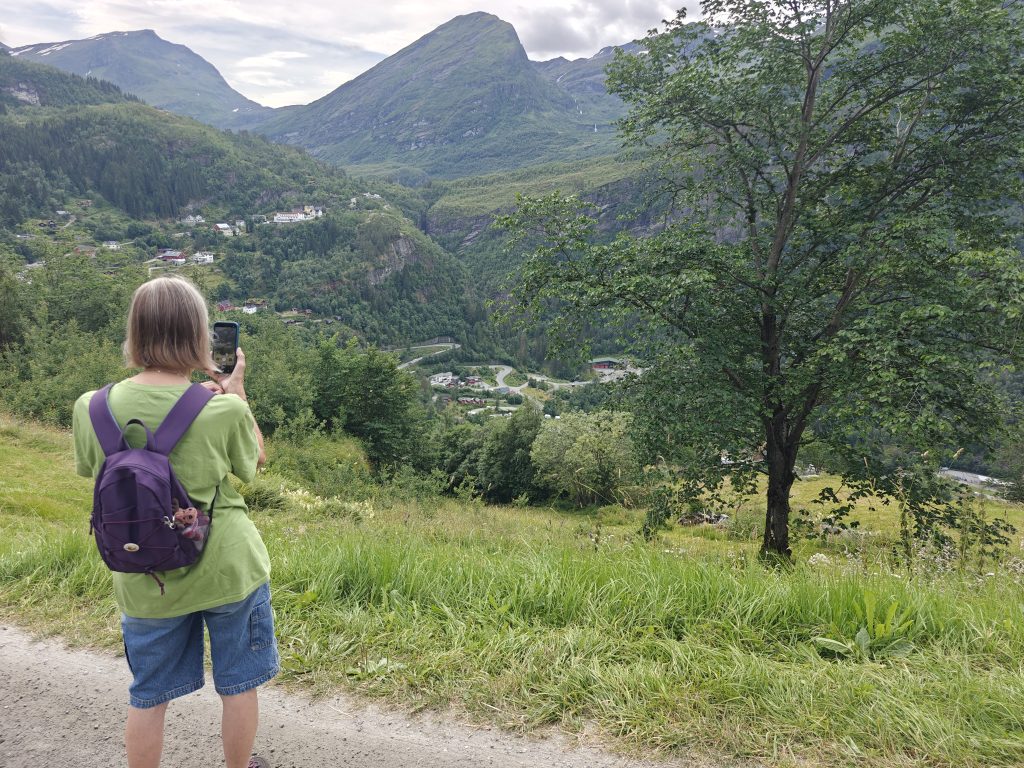
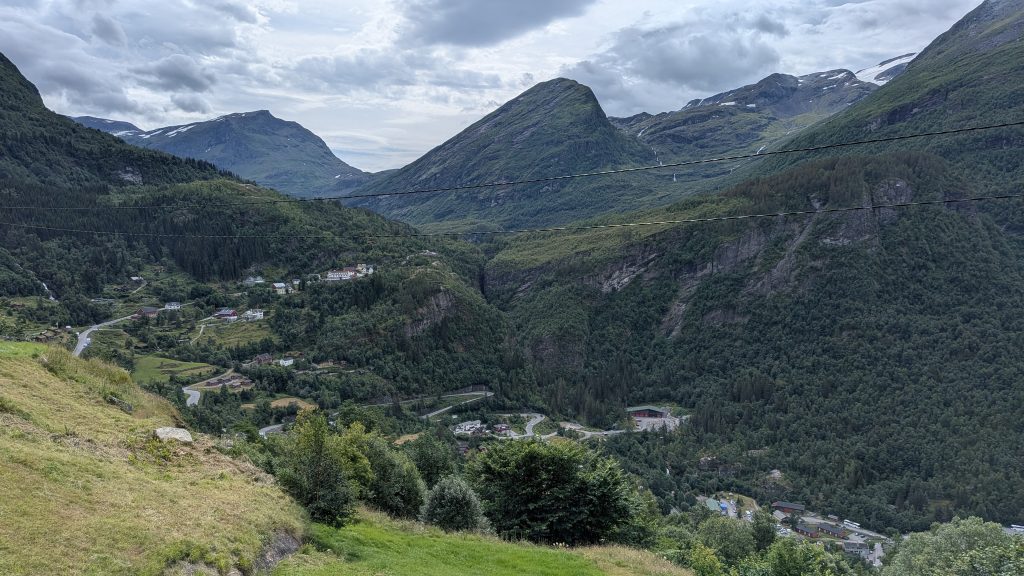
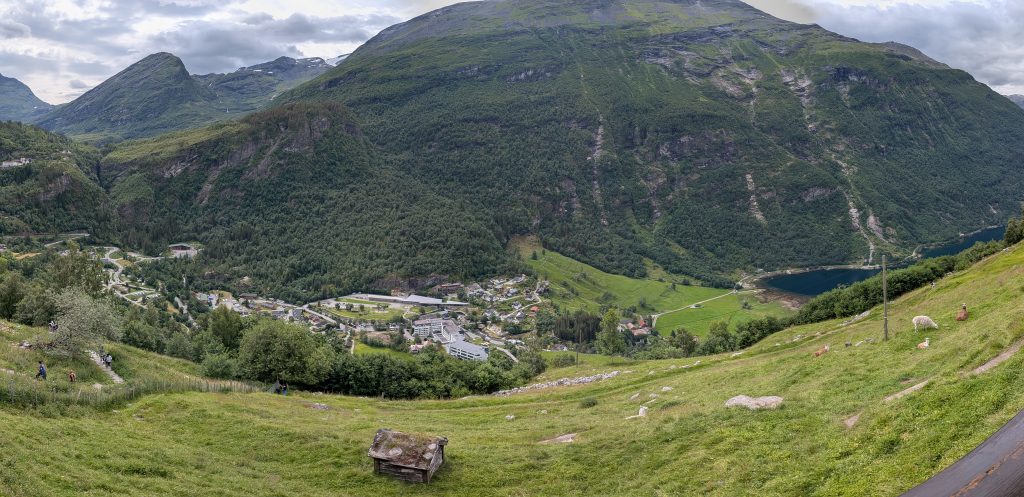
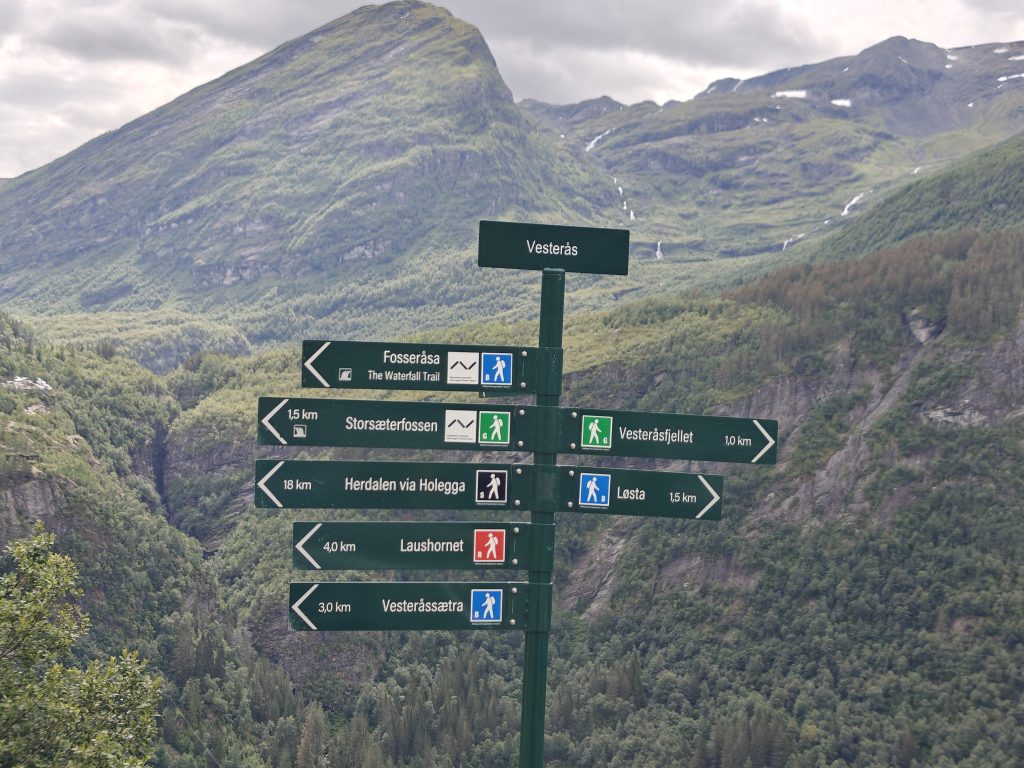
There are a number of hikes from our campsite in Geiranger and we chose to hike to a hillside farm, which now hosts a cafe with spectacular views across the valley and Geiranger.
Only a mile there and back but it’s a tough walk. If you want to see the head of the waterfall, it’s the same distance and probably even tougher.
Eurotrip 16, 2026 – Day 45, Mountain Hike in Geiranger – Vinje Camping to Vasteras
Eurotrip 16, 2026 – Day 44, Cafe at Vasteras, high-lighted in red
A little bit of information about Geiranger and its geology.
Geiranger is a world-famous tourist village in the Sunnmøre region of western Norway, situated at the head of the spectacular Geirangerfjord. Inscribed as a UNESCO World Heritage Site since 2005, it is renowned for its sheer mountain cliffs, dramatic waterfalls, and historic, abandoned mountain farms.
Despite having a year-round population of fewer than 300 residents, the village serves as one of Norway’s premier cruise ports and travel destinations.
Geiranger faces a continuous, scientifically monitored threat from a potential 80-meter-high (260-foot) tsunami generated by a catastrophic rockslide from the unstable Åkerneset mountain. This natural phenomenon, which inspired the Norwegian disaster movie The Wave, is caused by a massive crack in the mountain that grows by several centimeters every year.
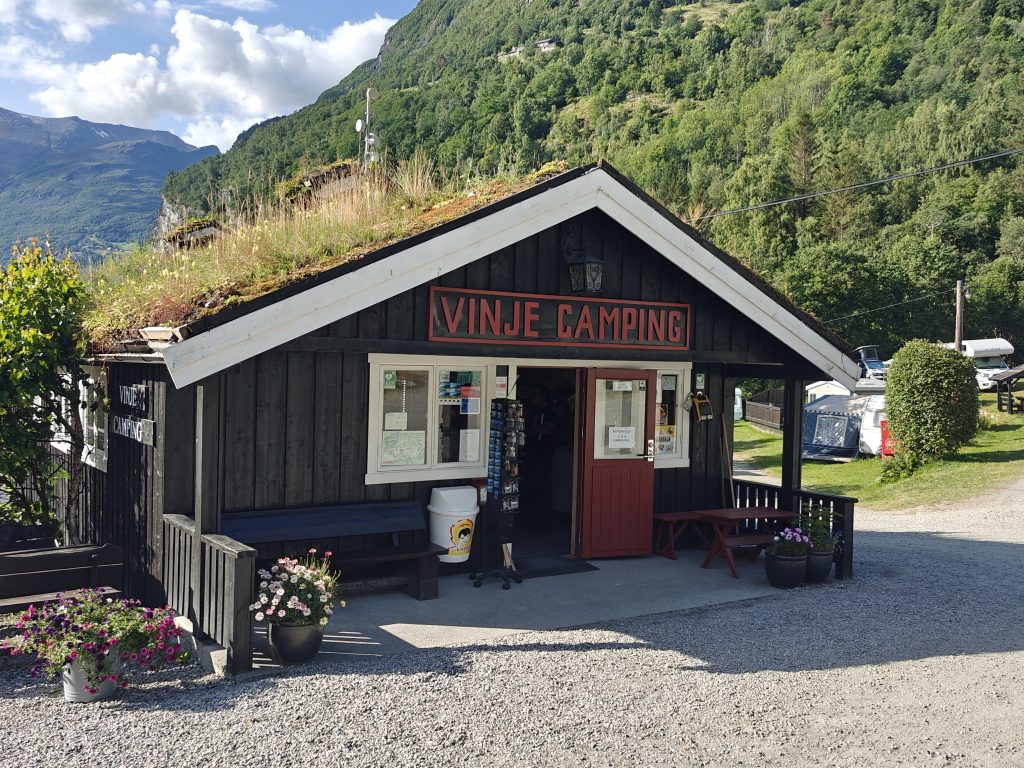
What about Vinje camping?
Eurotrip 16, 2026 – Day 44, Vinje Camping, Geiranger
Well, we were greeted by a very friendly lady (possibly the campsite owner) and she helped us chose a nice flat pitch. I’d suggest arriving before 2pm if you want to guarantee a pitch for the night.
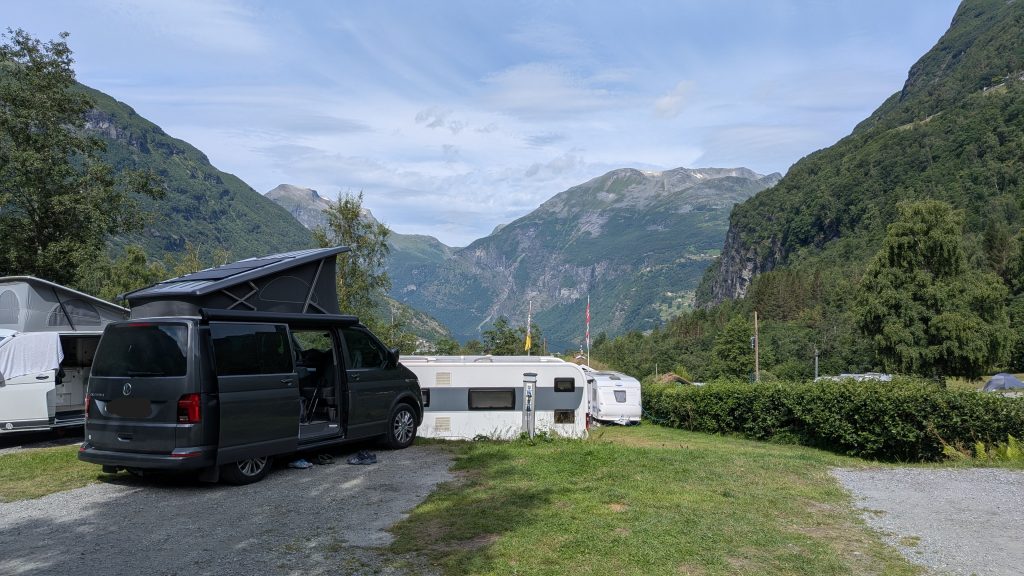
Eurotrip 16, 2026 – Day 44, Our pitch at Vinje Camping, Geiranger
Perfectly sized for our Campervan but wouldn’t be great for a larger unit. There’s a little shop and the sanitary facilities are clean and modern.
Here’s the “but”. Two working gents toilets for a campsite with up to 200 tents, caravans and campervans is nowhere near enough. Even if the third one had been operational, it’s still not enough. Waiting to use the facilities in the evening was more akin to being at a music festival! The reason we chose this site over Geiranger Camping in town was because the latter has a number of reviews stating there aren’t enough toilets and showers. Must be a “thing” here!
It’s time to move on again and this time we drove a mere 90 miles in something like 6 hours at 30.4mpg. This is the worst economy we have experienced and a reflection of the mountainous terrain we traversed. I’ve lost track now of how many ferries were involved but it was probably two – and we always seem to arrive just as the barriers are coming down.
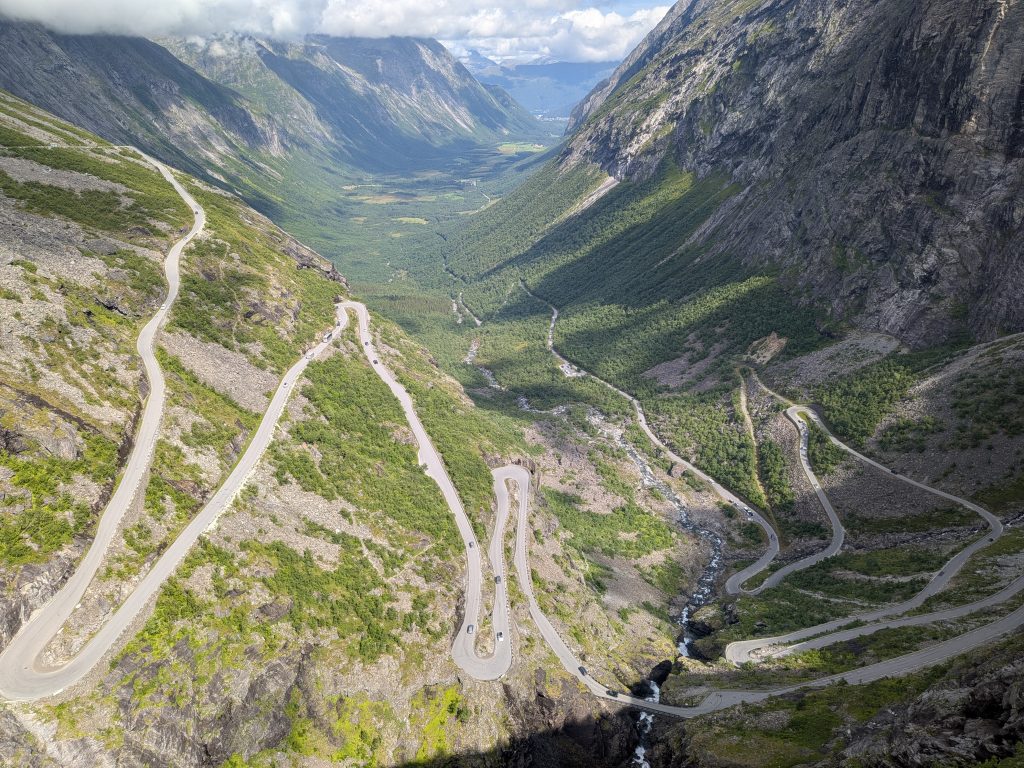
Trollstigen is an impressive mountain pass that twists through eleven hairpin bends up the steep mountain sides in the Romsdalen valley.
After walking around the top of the mountain and taking in the various viewpoints, we arrived at Vinje camping, Geiranger, in the middle of the afternoon. We found a nice pitch but this area is a real tourist honey trap and it wasn’t long before the “Campsite Full” signs were out.
Eurotrip 16, 2026 – Day 44, Malmefjorden to Geraingerfjorden via Trollstigen
* * * * *
Trollstigen (or the “Troll Path” in English) is a serpentine mountain road and pass in Rauma Municipality, Norway.
Eurotrip 16, 2026 – Day 44, Trollstigen
Eurotrip 16, 2026 – Day 44, Malmefjorden to Trollstigen to Geiranger
It is part of Norwegian County Road 63 that connects the town of Åndalsnes in Rauma and the village of Valldal in Fjord Municipality. It is a popular tourist attraction for its steep incline of 10% and eleven hairpin bends up a steep mountainside. During the peak of the tourist season, about 2,500 vehicles pass this landmark, daily.
Eurotrip 16, 2026 – Day 44, Mountain pass at Trollstigen
The road is narrow with many sharp bends, and although several bends were widened during 2005 to 2012, vehicles over 12.4 metres long are prohibited from driving the road. At the 700-metre plateau are a car park and several viewing balconies overlooking the bends and the Stigfossen waterfall. Stigfossen falls 320 metres down the mountainside. The pass has an elevation of approximately 850 metres (2,790 ft).
Eurotrip 16, 2026 – Day 44, Viewpoint at Trollstigen
Trollstigen is closed during late autumn and winter. A normal operating season stretches from mid-May to October but is sometimes shorter or longer because of weather conditions.
Once we had chosen our pitch at Vinje camping, we set off down the hill into Gerainger. The town was very busy, mainly due to the visiting Cruise ship. However, the cruise passengers, inevitably on an “all-inclusive” don’t spend much time in the cafes or restaurants so we found a nice cafe with shaded patio area for a couple of beers and a snack. A tough walk back up the mountain to the campsite thereafter.
The Atlantic Road is a spectacular 8.3-kilometer section of County Road 64 in Norway. Spanning eight bridges across small islands and skerries, it connects the mainland to Averøy. Known as “the road in the ocean,” it is an architectural marvel renowned for dramatic curves and open-sea views.
The round-trip from Malmefjord was 101 miles with 37.7mpg. We started our journey around 09:30, arriving back at the campsite late afternoon.
Eurotrip 16, 2026 – Day 43, The Atlantic Highway
* * * * *
The route was originally proposed as a railway line in the early 20th century, but this was abandoned. Serious planning of the road started in the 1970s, and construction started on 1 August 1983. During construction the area was hit by 12 European windstorms.
The road was opened on 7 July 1989, having cost 122 million kr, of which 25 percent was financed with tolls and the rest from public grants. Collection of tolls was scheduled to run for 15 years, but by June 1999 the road was paid off and the toll removed.
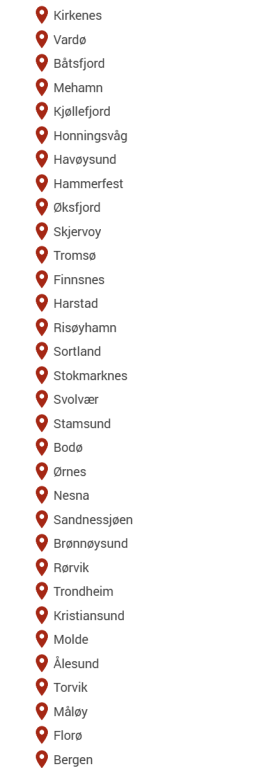
The road is preserved as a cultural heritage site and is classified as a National Tourist Route. It is a popular site to film automotive commercials, has been declared the world’s best road trip and been awarded the title as “Norwegian Construction of the Century”. In 2009, the Atlantic Ocean Tunnel opened, connecting Averøy Municipality to the neighbouring Kristiansund Municipality; together they form a second fixed link between the towns of Kristiansund and Molde.
Key Highlights
The Storseisundet Bridge: The longest and most dramatic of the bridges, which features a cantilevered design that creates a breathtaking optical illusion as you approach.
Eurotrip 16, 2026 – Day 43, The Atlantic Highway – Storseisundet Bridge
Askevågen Viewpoint: Features a viewing platform located right at the edge of the ocean, allowing you to experience the crashing waves safely.
Eurotrip 16, 2026 – Day 43, The Atlantic Highway
The “Visit Norway website claims the route is popular for storm-watching, fishing, and cycling.
Day 41 and we delayed our travels north for 24 hours. We had a beautiful pitch at Arskogvika Camping near Lote so we decided to chill for the day by the Fjord. Nordfjord is the sixth longest fjord in Norway and is the central feature of the entire Nordfjord region. It is up to 106km long, 2.5km wide and 565m deep. Currently the water temperature is around 13C and there were several brave souls swimming.
Eurotrip 16, 2026 – Day 41, Sunset at Arskogvita Camping, Nordfjord
Today we awoke to a clear and sunny day across Nordfjord with the temperature just ok to eat breakfast by the water.
Eurotrip 16, 2026 – Day 42, Arskogvita Camping, Breakfast at Nordfjord
Eurotrip 16, 2026 – Day 42, Arskogvita Camping, Sunrise across Nordfjord
Fortunately, Moe had read reviews for our next stop, Kviltorp Camping in Molde and apparently the site is full as it is the Molde Jazz festival this week. Plan B was the lovely Bjolstad campsite a few miles North on Malmesfjorden.
We have another location with amazing views across the Fjord.
Eurotrip 16, 2026 – Day 42, Our pitch at Camping Bjolstad, Malmefjorden
Todays journey was 104 miles in about 6 hours elapsed time. This included 3 ferries along the E39. The Flyt tag (also linked to the Auto Pass Ferry account) appears to be working. We just drive on and off the boats without interference. Must check my Autopass account but we are supposed to be saving about 50% on each crossing.
Eurotrip 16, 2026 – Day 42, Travelling to Arskogvita Camping
Eurotrip 16, 2026 – Day 42, Camping Arskogvita, Nordfjord to Camping Bjolstad, Malmefjorden
We left Bratland Camping a day early and despite the site being full of transit campers every night, we weren’t apparently eligible for a refund of 1 day. As we had stayed nearly two weeks – probably their longest staying customers – we felt this wasn’t quite the right spirit…
We drove 177 miles today at 34.4 mpg to reach a Camspite near the town of Lote. This included two ferries where we assume our autopass has saved us some of the cost.
Everywhere is busy and our first choice site was full. Arskogvita Camping is on the banks of Nordfjord. Views are spectacular although there is quite a haze surrounding the mountains.
We will stay here a night or two before heading further north to the Scenic Atlantic Highway.
Eurotrip 16, 2026 – Day 40, Our pitch at Arskogvita Camping
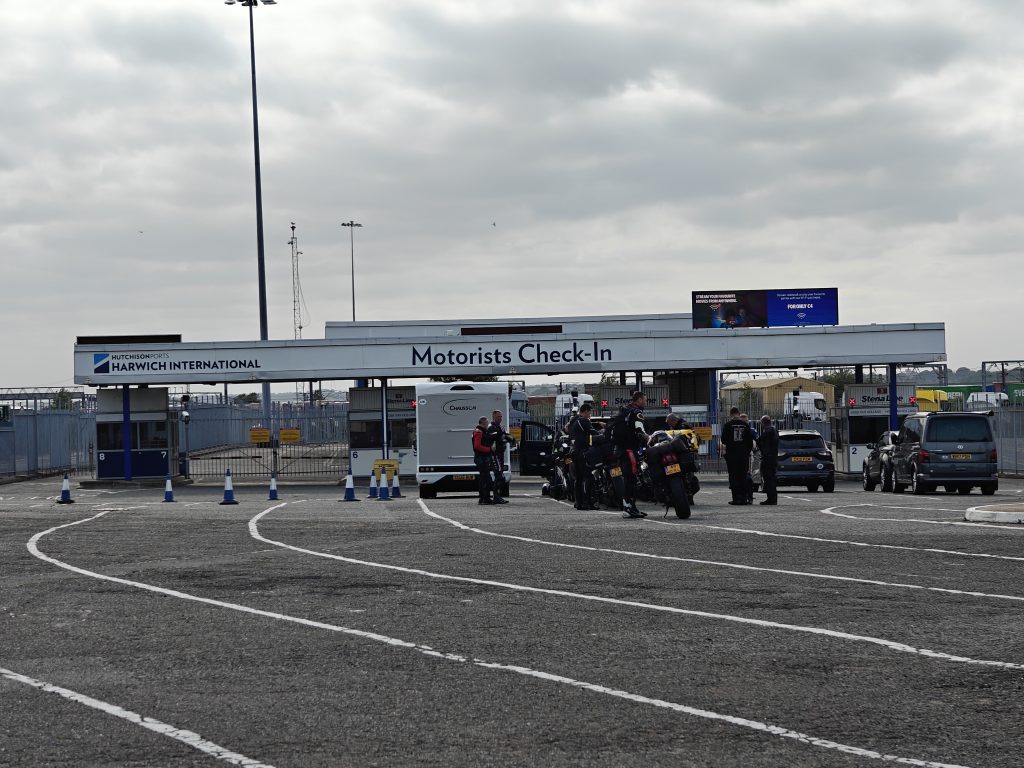
We arrived at Bergen on the posh ferry, “Hurtigruten” a week last Sunday. Everything was on schedule and the Loadmaster was fairly flexible allowing Moe to enter the car deck with me and the luggage. In theory only the car driver with no luggage can enter the car and the other passengers with all luggage are supposed to alight via the terminal building. We again needed to use the car lift, which was very tight for the California, in order to disembark.
Eurotrip 16, 2026 – Day 29, Disembarking Hurtigruten Nordkapp
We had reserved a pitch at Bratland Camping a few miles outside of Bergen for 12 nights. We wanted to stay in one place for a while and also use it as a base for travelling to Oslo. The site is conveniently located on a regular bus route and we had a campervan pitch high up with great views. The toilet facilities were all individual cubicles and allocated to our area, the panorama section.
On the less positive side, the pitches were small and the around 15 campervans were sharing the 4 toilet and shower cubicles. Most people were using it as a transit site so there was a high turnover of inmates. There was also some traffic noise from the nearby road.
The views were lovely.
Eurotrip 16, 2026 – Day 30 – 39, Our Pitch at Camping Bratland, near Bergen
Eurotrip 16, 2026 – Day 30 – 39, View from Camping Bratland, near Bergen
We caught the bus and tram into Bergen on several occasions. Although the tram is presently being replaced by a bus service due to engineering works.
For us, the main highlights of Bergen were…
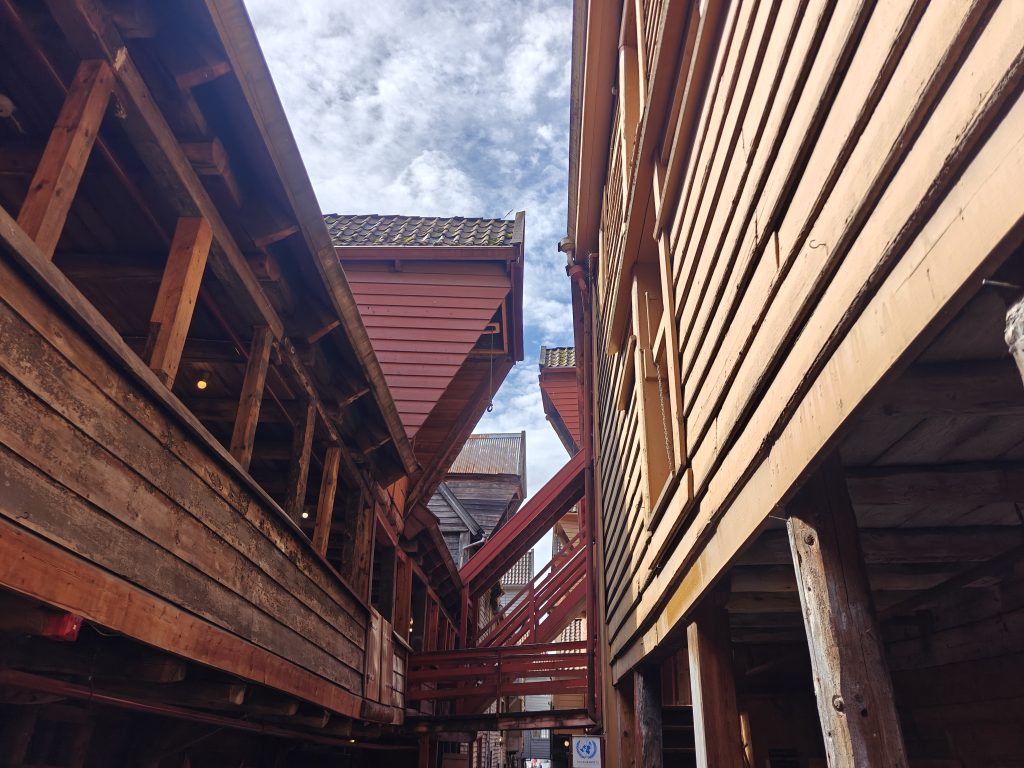
Bryggen, the old Wharf of Bergen, is a reminder of the town’s importance as part of the Hanseatic League’s trading empire from the 14th to the mid-16th century. This UNESCO World Heritage centre is constructed entirely of timber and many fires, the last in 1955, have ravaged the characteristic wooden houses of Bryggen. It’s rebuilding has traditionally followed old patterns and methods, thus leaving its main structure preserved. Some 62 buildings remain of this former townscape.
The esplanade between Bryggen and the water is a haven for outside trendy bars and restaurants.
The Floibanen is a funicular railway which connects the city centre with the mountain of Floyen with its mountain walks and views of the city. The line is 848m long and covers a height difference of 302m, carrying in excess of 2 million passengers every year.
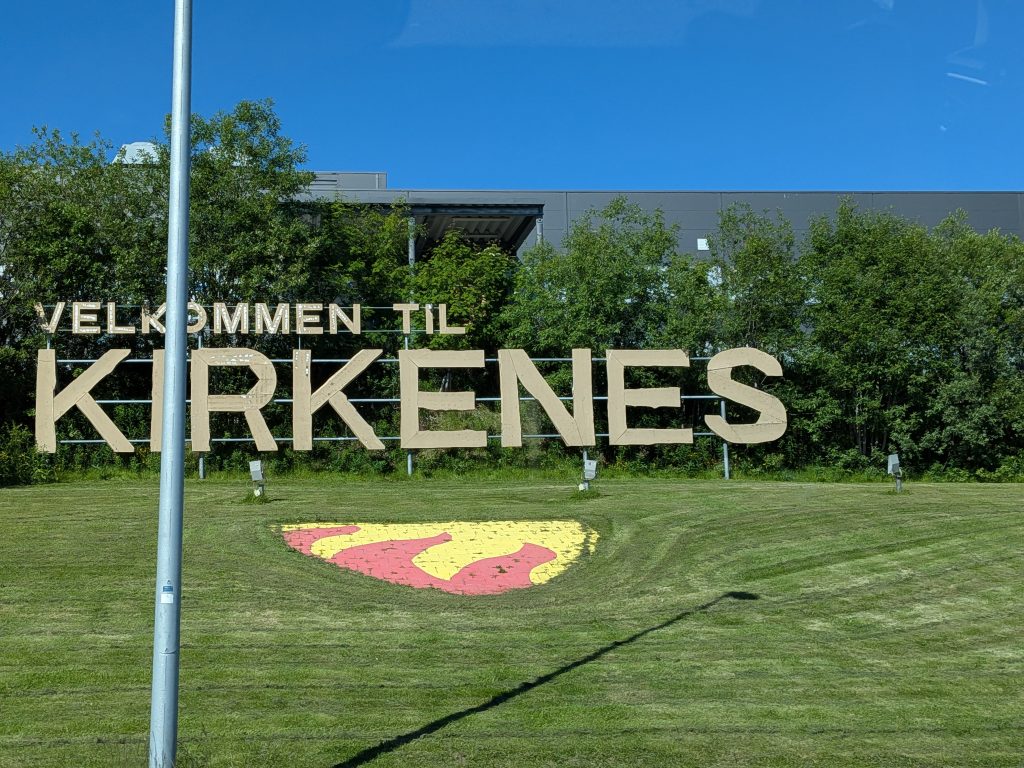
We disembarked from the Hurtigruten ferry a week last Sunday and the Campervan has been pitched at Camping Bratland, near Bergen since then. We reserved 12 nights here to relax and wind down from the huge journey North and the equally tiring Hurtigruten trip from Kirkenes from Bergen.
We will leave Bergen later this week but in the spirit of not relaxing too much, we have just spent a few days in the Norwegian capital city, Oslo. We booked a train ticket a few days before we knew that our arrival in Oslo would coincide with the quarter final tie between England and Norway. In reality, we didn’t have a lot of choice as the iconic Bergen to Oslo trains were mostly fully booked and the idea was for Moe and I to celebrate my big birthday with a train journey.
Eurotrip 16, 2026 – Day 35, Bergen to Oslo train
The trip from Bergen to Oslo is around 7 hours in duration and reaches its highest point of 1222 metres above sea level near to the village of Myrdal. The mountainous region between Bergen and Myrdal is most spectacular and several of the mountain villages such as Finse (population 15) are only accessible by the four trains a day between Bergen and Oslo Central.
In this area we could see that the summer population is much higher with many hiking and cycling tourists. In fact, there appears to be some fantastic cycling around the Myrdal – Finse region with some great dedicated cycle routes. It would be a nice idea to return to this part of Norway with the bikes…
Eurotrip 16, 2026 – Day 38, Oslo to Bergen train views
Our journey to Oslo was on time until we were around an hour away from our destination when the driver announced a problem with the engine unit. After several attempts to reboot (aka switch on and off) he declared the engine kaput and radioed for a replacement.
We arrived into Oslo over three hours late and with just a half hour until the start of the football game. Here we learnt more about the restrictive Scandinavian alcohol policies as the shops aren’t allowed to sell beer after 6pm on a Saturday. All the bars were ticket only, sold out and Oslo was rammed with football fans.
Our Hotel was centrally located just around the corner from City Hall.
Eurotrip 16, 2026 – Day 37,Oslo City Hall
The bar at our hotel had also latched on to the opportunity and was charging guests 500 NOK (£40) for entry to watch the game. Eventually they allowed us to buy a pint which we took back to the room to watch the game. The result (2-1 to England) and the accompanying torrential rain somewhat subdued the Norwegian supporters.
Eurotrip 16, 2026 – Day 36, Oslo and Norway in mourning
Sunday morning was breakfast at a local Bakery before we visited the harbour and Akershus Fortress nearby. Also known as Akershus Castle, it is a medieval castle built on the banks of Oslofjord to protect and provide a royal residence for the city. It is believed that the construction was started around the late 1290s.
Eurotrip 16, 2026 – Day 36, Akershus Fortress
Later in the day we visited the Opera house and dined at a Mexican restaurant nearby in Bjorvika.
Eurotrip 16, 2026 – Day 36, Akershus Fortress
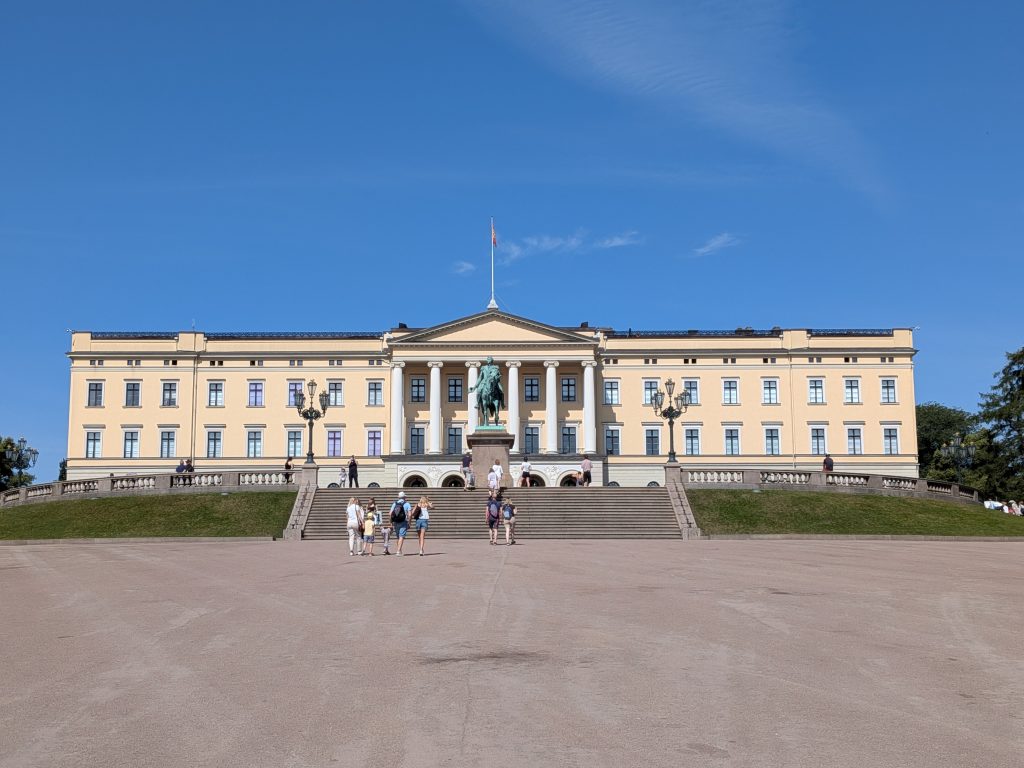
Monday was a visit to the Royal Palace, which unbeknown to us, later in the evening would be surrounded by 100,000 Norwegians celebrating the return of their World Cup team. We had wondered why the town was extremely busy, after the departure of the cruise ships and on a Monday evening!
Eurotrip 16, 2026 – Day 37, Royal Palace
Eurotrip 16, 2026 – Day 37, Royal Palace gardens
Eurotrip 16, 2026 – Day 37, Royal Palace Gardens
Eurotrip 16, 2026 – Day 37, Royal Palace, Changing of the guard
Before then we had taken a ferry to the peninsula to Bygdoy and visited the Kon Tiki museum.
Eurotrip 16, 2026 – Day 37, Kon Tiki museum
The museum was originally built to house the Kon-Tiki, a raft of balsa wood that Norwegian adventurer Thor Heyerdahl used to sail from Peru to Polynesia in 1947. Another boat in the museum is the Ra II, a vessel built of reeds according to Heyerdahl’s perception of an ancient Egyptian seagoing boat. Heyerdahl sailed the Ra II from North Africa to the Caribbean after a previous attempt with the reed boat Ra failed.
Eurotrip 16, 2026 – Day 37, Kon Tiki museum
Beneath the raft is a model of the whale shark that the crew encountered on the voyage.
Dinner was at a restaurant in Aker Brygge, the upmarket harbour dining area of Oslo.
Eurotrip 16, 2026 – Day 37, Aker Brygge
Tuesday we returned to Oslo central, via the Cathedral for our return journey to Bergen. This time it was punctual and un-eventful but we had the comfort of Pluss seating, which whilst expensive, was all that was available when we booked.
The Cathedrals in Norway are uninspiring and less aesthetically pleasing than their grandiose counterparts in much of Europe. This reflects that Christianity arrived late into a Norwegian culture that is largely pagan in origin. In fact, it is believed one of the Norwegian kings was keen to adopt the Christian faith in order to not become a target of the Crusades…